
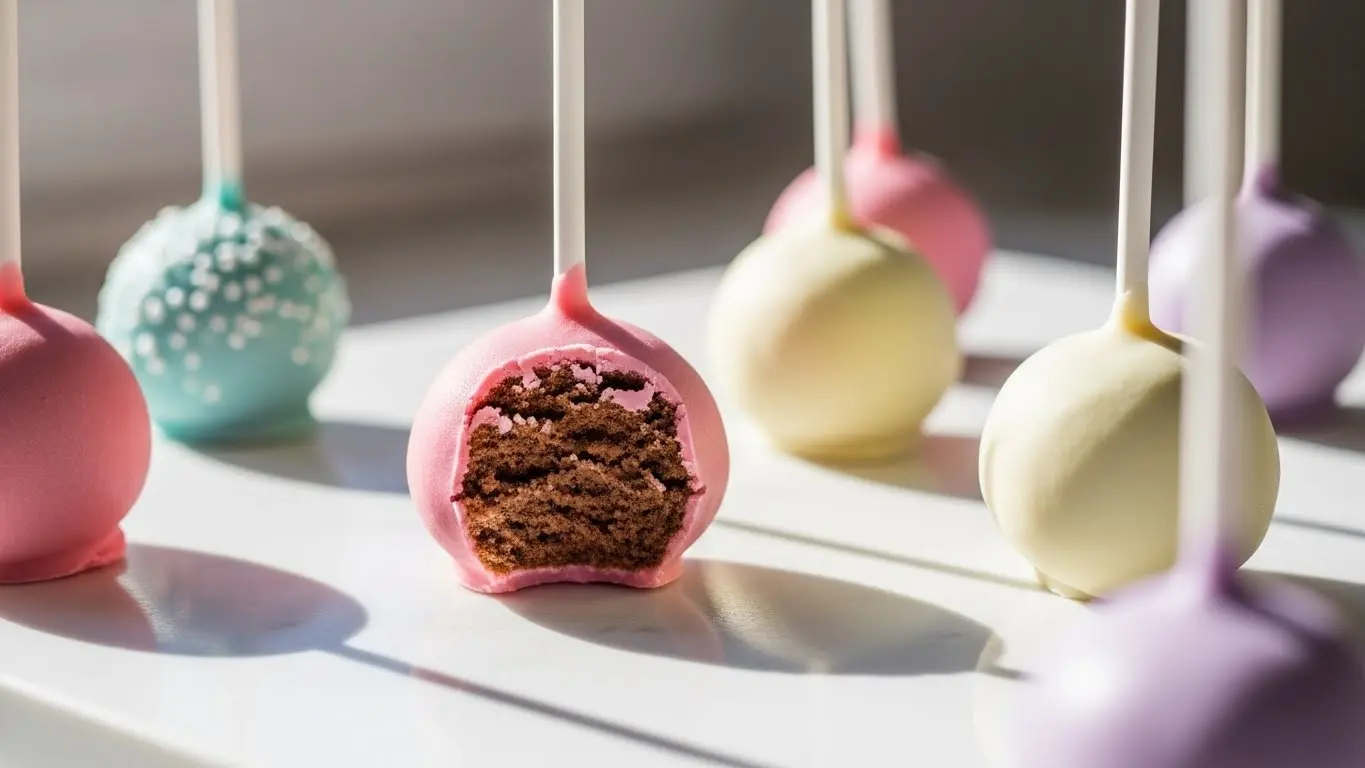

“Can I have a cake pop without ruining my diet?” It’s a question I hear every week in my practice—and after 16 years and 3,200+ patients, I understand why these bite-sized treats cause so much confusion. Cake pop nutrition seems simple enough: a small ball of cake on a stick. But those 140-170 calories pack more complexity than most people realize. Here’s the truth: understanding cake pop nutritional content allows you to enjoy occasional treats while maintaining your health goals. Whether you’re managing your weight, watching sugar intake, or simply trying to make informed choices at the coffee shop, I’ll show you exactly what’s inside these popular desserts—without the guilt or confusion.
Cake Pop Nutrition Facts: What’s Actually Inside
The standard cake pop calories range from 140 to 170 depending on the flavor and source. Having counseled over 3,200 patients on dessert nutrition, I can tell you that portion size makes cake pops a relatively controlled indulgence compared to traditional desserts.
Starbucks Cake Pop Nutrition Comparison
| Flavor | Calories | Carbs | Fat | Protein | Sugar |
|---|---|---|---|---|---|
| Cookies & Cream | 140 | 20g | 7g | 1g | ~15g |
| Chocolate | 160 | 23g | 8g | 2g | 16g |
| Strawberries & Cream | 150 | 20g | 8g | 1g | ~15g |
| Birthday Cake | 170 | 23g | 9g | 1g | 18g |
Source: FastFoodNutrition.org (verified January 2026). Values based on Starbucks official nutrition data. Seasonal items and exact values may vary by location.

The cake pop per serving data reveals a consistent pattern: approximately 140-170 calories, 20-23g carbohydrates, 7-9g fat, and 15-18g sugar per pop. For context, that’s roughly equivalent to one small cookie or about half a standard cupcake.
Understanding Cake Pop Macros and Sugar Content
The Sugar Reality Check
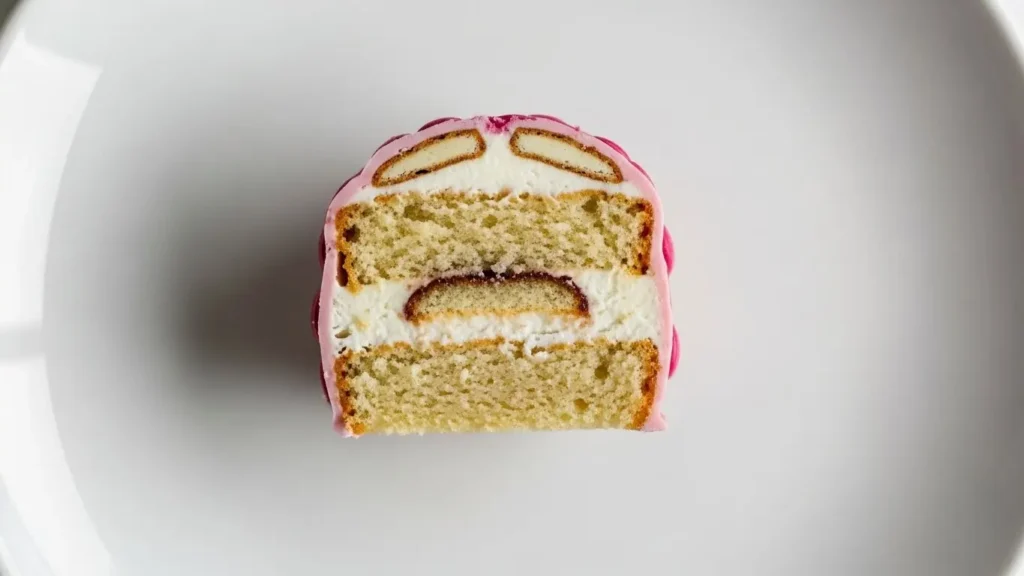
In my 16 years of clinical practice, I’ve learned that context matters more than absolute numbers. A cake pop’s 15-18g of sugar represents approximately 50-72% of the daily added sugar limit recommended by the American Heart Association (25g for women, 36g for men).
Cake Pop Macros Breakdown:
| Nutrient | Amount | % Daily Value | Clinical Context |
|---|---|---|---|
| Calories | 140-170 | 7-8.5% | Controlled portion vs. full dessert |
| Total Carbs | 20-23g | 7-8% | Primarily from sugar and refined flour |
| Total Fat | 7-9g | 9-12% | From butter, oils, and coating |
| Saturated Fat | 4-5g | 20-25% | Notable amount from palm kernel oil |
| Protein | 1-2g | 2-4% | Minimal nutritional contribution |
| Sodium | 60-110mg | 3-5% | Relatively low |
| Sugar | 15-18g | — | Added sugars, no natural sugars |
| Fiber | 0g | 0% | None |
Source: FastFoodNutrition.org. Based on FDA Daily Values (2020).
What I’ve observed in patients with blood sugar concerns: the combination of refined carbohydrates, sugar, and zero fiber means cake pops can cause a relatively quick glucose spike. This doesn’t mean they’re forbidden—it means timing and pairing matter.
Cake Pop Health Benefits and Considerations
Let me be direct: cake pops are not a health food. However, understanding cake pop health benefits in context helps my patients make sustainable choices rather than following restrictive patterns that inevitably fail.
What Cake Pops Offer
Practical Advantages:
- Built-in portion control: Unlike slicing cake, one pop = one serving
- Psychological satisfaction: A complete treat experience in ~150 calories
- Social flexibility: Easy to enjoy at gatherings without overindulging
- Lower calorie than alternatives: Roughly 50-65% the calories of a standard cupcake
Nutritional Limitations:
- No meaningful vitamins or minerals (0% Vitamin A, C, and Iron)
- No fiber for satiety
- High in added sugars and refined carbohydrates
- Contains saturated fats from palm kernel oil coatings
Fitting Cake Pops Into a Balanced Diet

Based on what I’ve seen work for thousands of patients, here’s my Real Food Navigation System approach to dessert nutrition:
The “Occasional Treat” Framework:
- Frequency: 1-2 times per week maximum for most health goals
- Timing: After a balanced meal containing protein and fiber
- Mindfulness: Eat slowly and savor—don’t consume while distracted
- Compensation: No need to “earn” or “burn off”—just account for it
A patient recently told me she finally stopped binge-eating desserts when she gave herself permission to have one cake pop weekly without guilt. That sustainable approach beats restriction every time.
Allergen Information and Dietary Restrictions
Standard Cake Pop Allergens
For those with food sensitivities, cake pop nutritional content includes several common allergens:
| Allergen | Present | Notes |
|---|---|---|
| Gluten/Wheat | Yes | Wheat flour in cake base |
| Dairy/Milk | Yes | Butter, milk powder, coating |
| Eggs | Yes | Binding agent in cake |
| Soy | Yes | Soy lecithin in coating |
| Tree Nuts | Possible | Cross-contamination risk |
| Peanuts | Possible | Cross-contamination risk |
Source: FastFoodNutrition.org Starbucks allergen data
Important: Commercial cake pops are NOT suitable for:
- Celiac disease or gluten sensitivity
- Dairy allergies or lactose intolerance (severe)
- Egg allergies
- Vegan diets
Cross-contamination is common in bakery environments. In my practice, I advise patients with severe allergies to avoid commercial cake pops entirely or seek certified allergen-free alternatives.
Healthier Homemade Alternatives
For patients who want cake pop calories under their control, homemade versions allow modifications:
- Lower sugar: Use reduced sugar or natural sweeteners
- Gluten-free: Substitute gluten-free flour blends
- Dairy-free: Use plant-based butter and dairy-free coatings
- Higher protein: Add protein powder to cake base
Cake Pop Nutrition Compared to Other Desserts
Understanding dessert nutrition in context helps make informed choices. Here’s how cake pops compare to common alternatives:
| Dessert | Calories | Sugar | Portion Control |
|---|---|---|---|
| Cake Pop | 140-170 | 15-18g | Built-in |
| Standard Cupcake | 250-350 | 25-35g | Variable |
| Brownie (2″ square) | 180-220 | 15-20g | Variable |
| Chocolate Chip Cookie | 150-200 | 12-18g | Variable |
| Ferrero Rocher (3 pcs) | 220 | 15g | Wrapped |
| Ice Cream (1/2 cup) | 140-270 | 14-24g | Easy to overeat |
Approximate values. For detailed chocolate nutrition, see our guide on ferrero rocher nutrition facts.

Within the broader category of dessert nutrition, cake pops occupy a middle ground: not the lowest calorie option, but with excellent portion control compared to treats where serving sizes blur easily.
Practical Ordering Strategies
Smart Choices at Coffee Shops
Based on my experience with patients managing their weight and blood sugar, here are evidence-based strategies:
If You’re Watching Calories:
- Choose Cookies & Cream (140 cal) over Birthday Cake (170 cal)
- Pair with black coffee or unsweetened tea
- Skip the Frappuccino—a Grande adds 300-400+ calories
If You’re Managing Blood Sugar:
- Eat after a meal containing protein and fiber
- Avoid pairing with sugary drinks
- Consider splitting with a friend
If You Have Food Allergies:
- Always ask staff about current ingredients
- Be aware of cross-contamination risks
- Consider certified allergen-free brands instead
Frequently Asked Questions: Cake Pop Nutrition
How many calories are in a cake pop?
This is one of the most common questions I get from patients watching their intake. Standard cake pop calories range from 140-170 depending on flavor. Starbucks cake pops specifically contain 140 calories (Cookies & Cream) to 170 calories (Birthday Cake). Homemade versions vary based on recipes and portion size.
Are cake pops healthier than cupcakes?
In my experience with 3,200+ clients, cake pops offer a practical advantage: built-in portion control. At 140-170 calories versus 250-350 for a standard cupcake, you’re consuming roughly half the calories and sugar. Neither is a health food, but cake pops make moderation easier.
Can diabetics eat cake pops?
I’ve worked with hundreds of diabetic patients on sustainable dietary approaches. Cake pops aren’t forbidden, but timing and frequency matter. The 15-18g of sugar and 20-23g of carbohydrates will affect blood glucose. My recommendation: enjoy occasionally after a balanced meal, monitor your response, and discuss with your healthcare provider.
What are cake pops made of?
Standard cake pops contain crumbled cake (flour, sugar, eggs, butter), frosting (powdered sugar, butter), and a candy coating (sugar, palm kernel oil, milk solids). Allergens include gluten, dairy, eggs, and soy. There are no whole grains, fiber, or significant nutrients.
How often can I eat cake pops while dieting?
The practical question my clients ask most often. For weight management, I suggest 1-2 cake pops weekly as part of an otherwise balanced diet. The key is planning rather than impulse eating. Account for the ~150 calories, enjoy mindfully, and move on without guilt.
Are there gluten-free cake pops?
Starbucks and most commercial bakeries do not offer certified gluten-free cake pops. However, specialty bakeries and homemade versions can be made gluten-free. If you have celiac disease, be extremely cautious about cross-contamination in shared bakery environments.
Disclaimer: This article provides general nutrition information for educational purposes only. It is not intended as medical advice, diagnosis, or treatment. Nutritional needs vary based on individual health conditions, medications, and personal factors. Always consult with a registered dietitian or healthcare provider before making significant dietary changes, especially if you have diabetes, food allergies, or other medical conditions. Nutritional values are approximate and may vary by brand, recipe, and preparation method. Verify current nutrition information at point of purchase. Information current as of January 2026.
