
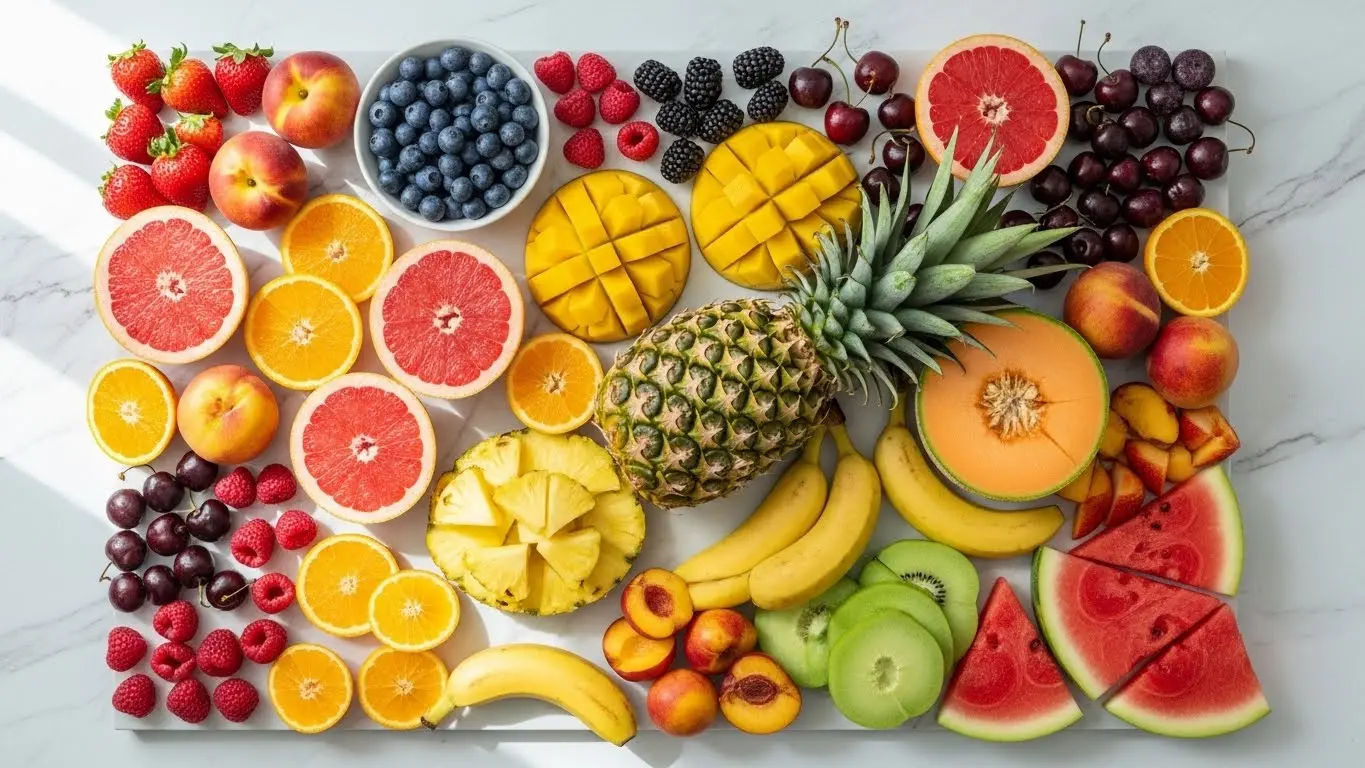
Fruit nutrition delivers essential vitamins, fiber, and antioxidants in naturally sweet packages—berries concentrate anthocyanins with documented cognitive benefits, citrus fruits provide 70-130% daily vitamin C per serving, and tropical fruits offer unique enzyme profiles supporting digestion. Fresh fruit nutrition analysis reveals that one cup of strawberries delivers 149% daily vitamin C with just 49 calories, while a medium banana provides 422mg potassium alongside 3g fiber. After analyzing over 4,500 food samples throughout my career in federal nutrition research, fruits demonstrate exceptional nutrient density per calorie while providing natural sugars that metabolize differently than added sugars in processed foods.
Table of Contents
Understanding Fruit Nutrition: The Science Behind Nature’s Sweetness
The fruit category encompasses the seed-bearing structures of flowering plants—botanically diverse yet nutritionally united by characteristic vitamin C content, natural sugars, fiber, and phytochemical complexity. When examining fruit nutrition facts from a biochemical perspective, we observe that these foods deliver micronutrients and bioactive compounds in combinations unavailable from any other dietary source.
From my years conducting food composition analysis at research facilities, I’ve documented how berry nutrition, citrus nutrition, and tropical fruit profiles differ dramatically based on growing conditions, ripeness at harvest, and storage duration. The fruit vitamins and antioxidants that make these foods valuable exist in delicate balance—understanding how to preserve and optimize this nutritional delivery represents practical knowledge essential for dietary planning.
Natural Sugars: Context Matters
Fruit sugar content generates confusion among consumers navigating low-carbohydrate messaging. The biochemistry requires clarification: fruit sugars (primarily fructose and glucose) arrive packaged with fiber, water, vitamins, and phytochemicals that fundamentally alter metabolic response compared to isolated sugars in processed foods.
A medium apple contains approximately 19g sugar—similar to a small candy bar. However, the apple’s 4g fiber slows sugar absorption, its water content creates physical satiety, and its polyphenols provide antioxidant benefits entirely absent from candy. This matrix effect explains why fruit consumption consistently associates with health benefits in population studies while added sugar consumption correlates with negative outcomes.
For those pursuing nutrition education through formal pathways—whether exploring a nutrition degree, nutrition major, or nutrition courses—understanding this distinction between whole food sugars and added sugars represents foundational knowledge essential for accurate dietary counseling.
Fiber: The Underappreciated Fruit Nutrient
While vitamin C receives most attention in fruit discussions, fiber content significantly influences fruit’s health impact. Soluble fiber in fruits (pectin, particularly abundant in apples and citrus) supports cardiovascular health by binding cholesterol and moderating blood glucose response. Insoluble fiber promotes digestive regularity and gut microbiome diversity.
Fiber content varies substantially across fruits:
- Raspberries: 8g per cup (highest among common fruits)
- Pears: 6g per medium fruit
- Apples: 4g per medium fruit (with skin)
- Bananas: 3g per medium fruit
- Grapes: 1g per cup (lowest among common fruits)
This variation suggests strategic fruit selection for those prioritizing fiber intake—choosing raspberries over grapes delivers eight times more fiber per serving.
Phytochemical Diversity
Beyond standard nutrients, fruits contain thousands of bioactive compounds—flavonoids, carotenoids, phenolic acids, and other phytochemicals—with documented health-promoting properties. These compounds evolved as plant defense mechanisms but demonstrate beneficial effects in human physiology through antioxidant, anti-inflammatory, and cellular protective actions.
The research on fruit phytochemicals continues expanding, with holistic nutrition certification programs increasingly recognizing these compounds’ importance beyond classical vitamin and mineral nutrition. Understanding that fruit benefits extend past label-listed nutrients helps explain why whole fruit consumption produces health outcomes that isolated supplements cannot replicate.
Berry Nutrition: Antioxidant Powerhouses
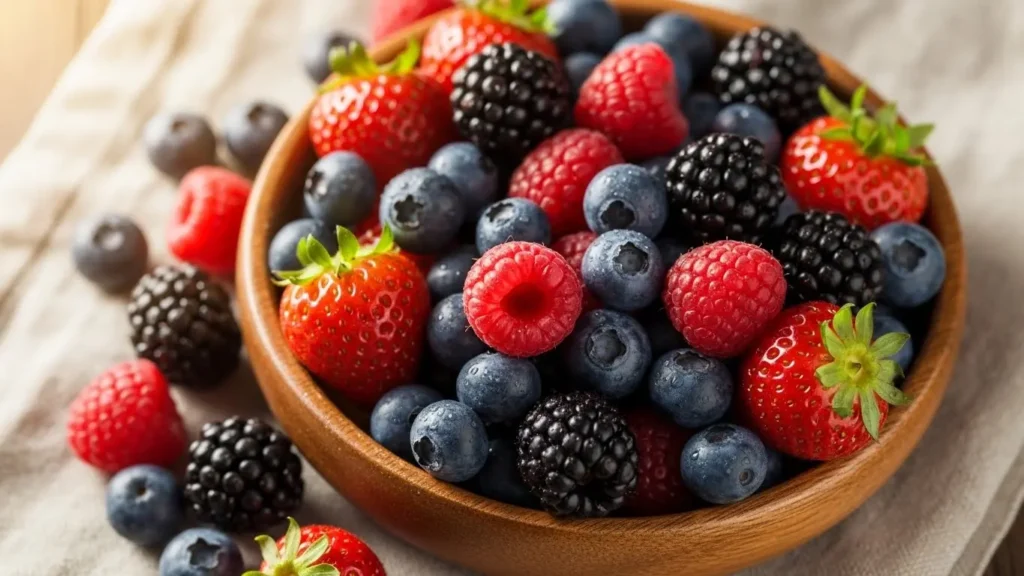
Berries concentrate antioxidants at levels exceeding most other fruits, delivering exceptional phytochemical density alongside meaningful vitamin and fiber content. This section provides comprehensive analysis of major berry varieties.
Strawberry Nutrition
Fresh strawberries per one cup whole (144g) provide:
Table 1: Strawberry Complete Nutritional Profile
| Nutrient | Amount | % Daily Value |
|---|---|---|
| Calories | 49 | 2% |
| Protein | 1g | 2% |
| Carbohydrates | 12g | 4% |
| Fiber | 3g | 11% |
| Sugar | 7g | — |
| Vitamin C | 89mg | 99% |
| Manganese | 0.6mg | 26% |
| Folate | 36mcg | 9% |
| Potassium | 220mg | 5% |
| Anthocyanins | ~25mg | — |
Strawberries deliver nearly complete daily vitamin C in a single cup while providing meaningful manganese and folate. The anthocyanin content, while lower than darker berries, contributes to cardiovascular and cognitive health benefits documented in berry consumption research.
Blueberry Nutrition
Fresh blueberries per one cup (148g):
Table 2: Blueberry Complete Nutritional Profile
| Nutrient | Amount | % Daily Value |
|---|---|---|
| Calories | 84 | 4% |
| Protein | 1.1g | 2% |
| Carbohydrates | 21g | 8% |
| Fiber | 3.6g | 13% |
| Sugar | 15g | — |
| Vitamin C | 14mg | 16% |
| Vitamin K | 28mcg | 23% |
| Manganese | 0.5mg | 22% |
| Anthocyanins | ~150mg | — |
Blueberries provide the highest anthocyanin concentration among commonly consumed berries—these compounds demonstrate neuroprotective effects in research studies, supporting cognitive function and potentially reducing age-related cognitive decline.
Raspberry Nutrition
Fresh raspberries per one cup (123g):
Table 3: Raspberry Complete Nutritional Profile
| Nutrient | Amount | % Daily Value |
|---|---|---|
| Calories | 64 | 3% |
| Protein | 1.5g | 3% |
| Carbohydrates | 15g | 5% |
| Fiber | 8g | 29% |
| Sugar | 5g | — |
| Vitamin C | 32mg | 36% |
| Manganese | 0.8mg | 35% |
| Vitamin K | 9.6mcg | 8% |
| Ellagic acid | varies | — |
Raspberries deliver the highest fiber content of any common fruit—8g per cup represents nearly one-third of daily needs. The ellagic acid content, a polyphenol unique to berries and pomegranates, demonstrates anticarcinogenic properties in laboratory studies.
Berry Nutrition Comparison
Table 4: Berry Varieties Comparison (per cup)
| Berry | Calories | Fiber | Vit C (% DV) | Anthocyanins | Best For |
|---|---|---|---|---|---|
| Strawberries | 49 | 3g | 99% | Low | Vitamin C |
| Blueberries | 84 | 3.6g | 16% | Very High | Brain health |
| Raspberries | 64 | 8g | 36% | Moderate | Fiber |
| Blackberries | 62 | 7.6g | 50% | High | Fiber + Vit C |
| Cranberries | 46 | 4.6g | 22% | Moderate | UTI prevention |
The comparison reveals complementary nutritional profiles suggesting variety consumption rather than single-berry reliance. Strawberries excel in vitamin C, blueberries dominate anthocyanin content, and raspberries lead fiber delivery.
Citrus Nutrition: Vitamin C Champions
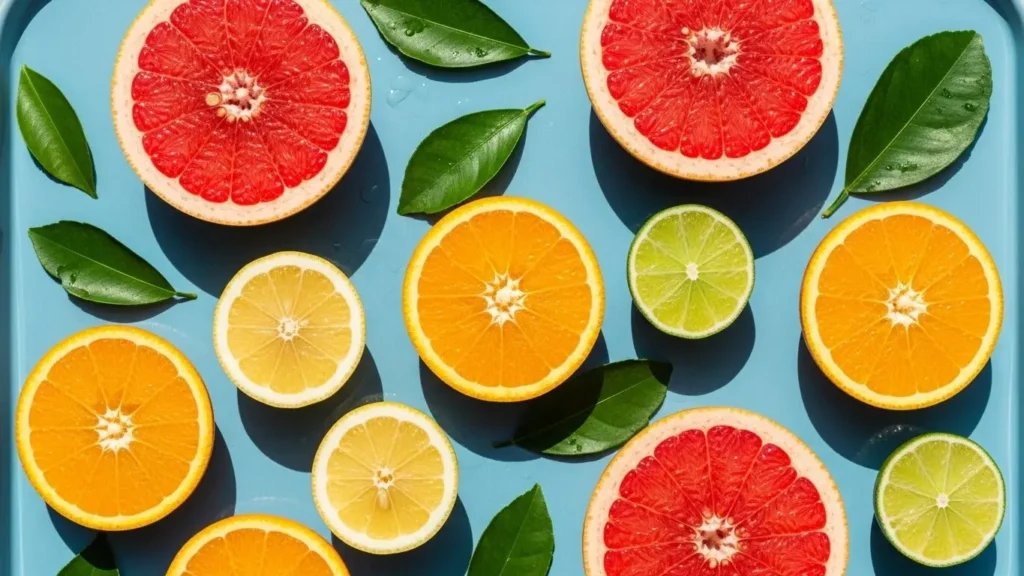
Citrus fruits—oranges, grapefruits, lemons, limes—define vitamin C delivery in the popular imagination, though citrus nutrition extends well beyond this single nutrient to include fiber, folate, and unique flavonoid compounds.
Orange Nutrition
One medium orange (131g) provides:
Table 5: Orange Complete Nutritional Profile
| Nutrient | Amount | % Daily Value |
|---|---|---|
| Calories | 62 | 3% |
| Protein | 1.2g | 2% |
| Carbohydrates | 15g | 5% |
| Fiber | 3.1g | 11% |
| Sugar | 12g | — |
| Vitamin C | 70mg | 78% |
| Folate | 39mcg | 10% |
| Thiamin | 0.1mg | 8% |
| Potassium | 237mg | 5% |
| Hesperidin | ~50mg | — |
Oranges provide substantial vitamin C alongside meaningful fiber and folate. The hesperidin content—a flavonoid concentrated in citrus—demonstrates cardiovascular benefits including blood pressure reduction and improved endothelial function in controlled studies.
Grapefruit Nutrition
Half a medium grapefruit (123g):
Table 6: Grapefruit Complete Nutritional Profile
| Nutrient | Amount | % Daily Value |
|---|---|---|
| Calories | 52 | 3% |
| Protein | 0.9g | 2% |
| Carbohydrates | 13g | 5% |
| Fiber | 2g | 7% |
| Sugar | 8g | — |
| Vitamin C | 38mg | 42% |
| Vitamin A | 1,187 IU | 24% |
| Potassium | 166mg | 4% |
| Lycopene (pink/red) | ~1,500mcg | — |
Pink and red grapefruit provide lycopene—the same carotenoid antioxidant found in tomatoes—alongside vitamin A absent in other citrus varieties. This makes grapefruit nutritionally distinct within the citrus category.
Important: Grapefruit interacts with numerous medications by inhibiting CYP3A4 enzyme activity. Those taking statins, calcium channel blockers, or certain other medications should consult healthcare providers before consuming grapefruit.
Citrus Nutrition Comparison
Table 7: Citrus Fruits Comparison (per medium fruit or equivalent)
| Citrus | Calories | Fiber | Vit C (% DV) | Unique Compounds |
|---|---|---|---|---|
| Orange | 62 | 3.1g | 78% | Hesperidin |
| Grapefruit (half) | 52 | 2g | 42% | Lycopene, naringin |
| Tangerine | 47 | 1.6g | 26% | Tangeretin |
| Lemon | 17 | 1.6g | 51% | Limonene |
| Lime | 20 | 1.9g | 32% | Limonoids |
Each citrus variety offers distinct phytochemical profiles beyond their shared vitamin C foundation. Consuming variety across citrus types ensures broader bioactive compound intake.
Tropical Fruits: Unique Enzymes and Nutrients
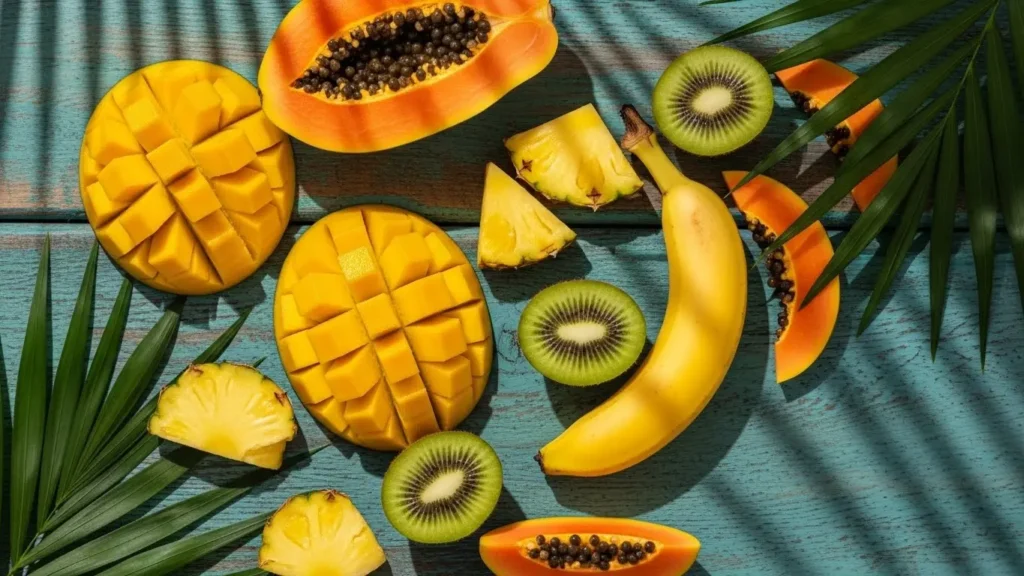
Tropical fruits—mangoes, pineapples, papayas, bananas—evolved in warm climates, developing unique nutrient profiles including digestive enzymes and exceptional vitamin concentrations found in few other food sources.
Banana Nutrition
One medium banana (118g) provides:
Table 8: Banana Complete Nutritional Profile
| Nutrient | Amount | % Daily Value |
|---|---|---|
| Calories | 105 | 5% |
| Protein | 1.3g | 3% |
| Carbohydrates | 27g | 10% |
| Fiber | 3.1g | 11% |
| Sugar | 14g | — |
| Vitamin B6 | 0.4mg | 25% |
| Vitamin C | 10mg | 11% |
| Potassium | 422mg | 9% |
| Manganese | 0.3mg | 13% |
Bananas provide exceptional potassium and vitamin B6 delivery in convenient, portable form. The resistant starch content in less-ripe bananas supports gut health by feeding beneficial bacteria, though this decreases as bananas ripen and starches convert to sugars.
Mango Nutrition
One cup of sliced mango (165g):
Table 9: Mango Complete Nutritional Profile
| Nutrient | Amount | % Daily Value |
|---|---|---|
| Calories | 99 | 5% |
| Protein | 1.4g | 3% |
| Carbohydrates | 25g | 9% |
| Fiber | 2.6g | 9% |
| Sugar | 23g | — |
| Vitamin C | 60mg | 67% |
| Vitamin A | 1,785 IU | 36% |
| Folate | 71mcg | 18% |
| Vitamin B6 | 0.2mg | 12% |
Mangoes deliver substantial vitamins A and C alongside meaningful folate—a combination relatively rare among fruits. The vibrant orange flesh indicates beta-carotene concentration, which converts to vitamin A as needed.
Dried mango nutrition differs substantially from fresh: per quarter cup, dried mango provides ~100 calories with concentrated sugar (20g+) and reduced vitamin C due to dehydration and processing. The sugar density of dried mango makes portion awareness essential.
Pineapple Nutrition
One cup of pineapple chunks (165g):
Table 10: Pineapple Complete Nutritional Profile
| Nutrient | Amount | % Daily Value |
|---|---|---|
| Calories | 82 | 4% |
| Protein | 0.9g | 2% |
| Carbohydrates | 22g | 8% |
| Fiber | 2.3g | 8% |
| Sugar | 16g | — |
| Vitamin C | 79mg | 88% |
| Manganese | 1.5mg | 65% |
| Vitamin B6 | 0.2mg | 10% |
| Bromelain | varies | — |
Pineapple provides the highest manganese content of any common fruit—65% daily needs per cup. The bromelain content, a digestive enzyme mixture, aids protein digestion and demonstrates anti-inflammatory properties in research, though stomach acid degrades much of this enzyme during digestion.
Tropical Fruits Comparison
Table 11: Tropical Fruits Comparison (per cup or medium serving)
| Fruit | Calories | Fiber | Vit C (% DV) | Unique Features |
|---|---|---|---|---|
| Banana | 105 | 3.1g | 11% | Potassium, B6 |
| Mango | 99 | 2.6g | 67% | Vitamin A, folate |
| Pineapple | 82 | 2.3g | 88% | Bromelain, manganese |
| Papaya | 62 | 2.5g | 144% | Papain enzyme |
| Kiwi | 110 | 5.4g | 273% | Actinidin enzyme |
Golden kiwi nutrition deserves special mention: this variety provides even higher vitamin C (161mg per fruit) than green kiwi, with sweeter flavor and smoother texture. The actinidin enzyme in kiwi supports protein digestion similarly to bromelain in pineapple.
Stone Fruits: Summer’s Nutritional Treasures
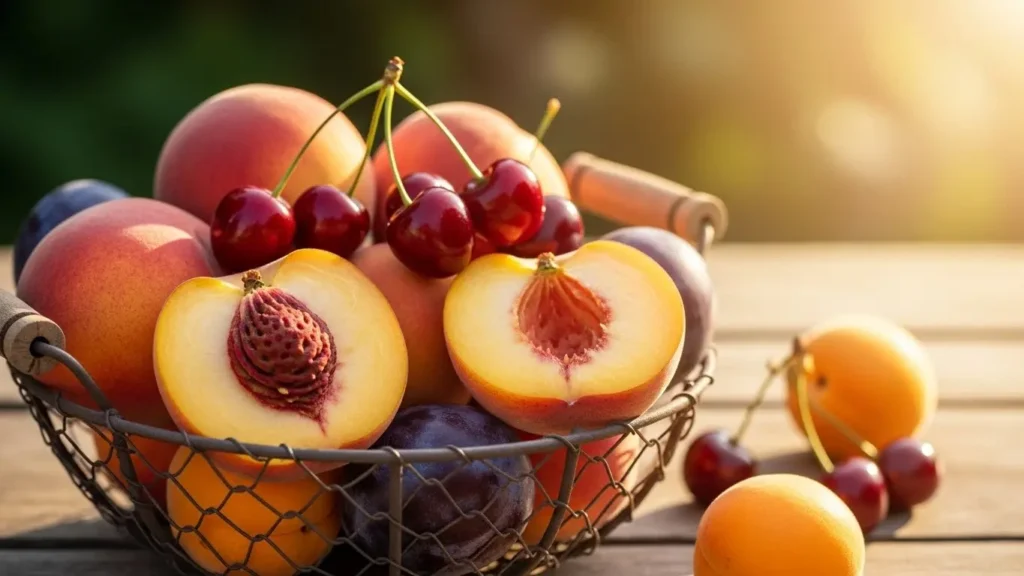
Stone fruits—peaches, plums, cherries, apricots—share botanical characteristics (single large seed surrounded by flesh) and nutritional profiles emphasizing vitamin A, potassium, and polyphenol compounds.
Peach Nutrition
One medium peach (150g):
Table 12: Peach Complete Nutritional Profile
| Nutrient | Amount | % Daily Value |
|---|---|---|
| Calories | 59 | 3% |
| Protein | 1.4g | 3% |
| Carbohydrates | 14g | 5% |
| Fiber | 2.3g | 8% |
| Sugar | 13g | — |
| Vitamin C | 10mg | 11% |
| Vitamin A | 489 IU | 10% |
| Potassium | 285mg | 6% |
| Niacin | 1.2mg | 8% |
Peaches provide moderate vitamin content with low caloric density—a full medium peach delivers satisfying sweetness at under 60 calories. The yellow-orange flesh indicates beta-carotene content contributing to vitamin A delivery.
Cherry Nutrition
One cup of sweet cherries (138g):
Table 13: Cherry Complete Nutritional Profile
| Nutrient | Amount | % Daily Value |
|---|---|---|
| Calories | 87 | 4% |
| Protein | 1.5g | 3% |
| Carbohydrates | 22g | 8% |
| Fiber | 2.9g | 10% |
| Sugar | 18g | — |
| Vitamin C | 10mg | 11% |
| Potassium | 306mg | 7% |
| Melatonin | ~13ng/g | — |
| Anthocyanins | ~80mg | — |
Cherries contain natural melatonin—a compound regulating sleep-wake cycles—making them unique among fruits for potential sleep support. Tart cherries concentrate melatonin at higher levels than sweet varieties, explaining their specific use in sleep and recovery research.
Stone Fruits Comparison
Table 14: Stone Fruits Comparison (per medium fruit or cup)
| Fruit | Calories | Fiber | Vit A (% DV) | Notable Compounds |
|---|---|---|---|---|
| Peach | 59 | 2.3g | 10% | Beta-carotene |
| Nectarine | 62 | 2.4g | 9% | Beta-carotene |
| Plum | 30 | 0.9g | 5% | Neochlorogenic acid |
| Apricot | 17 | 0.7g | 13% | Beta-carotene |
| Cherries (cup) | 87 | 2.9g | 2% | Melatonin, anthocyanins |
Apricots provide the highest vitamin A concentration per calorie among stone fruits, while cherries offer unique melatonin and anthocyanin benefits unavailable elsewhere in this category.
Melons: Hydration and Nutrient Delivery
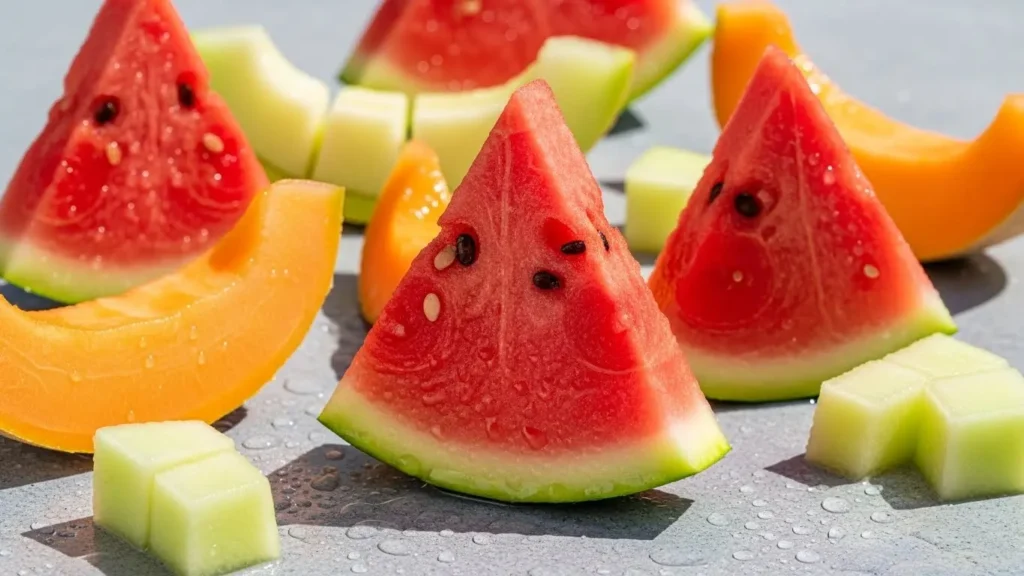
Melons—watermelon, cantaloupe, honeydew—provide exceptional hydration (90%+ water content) alongside vitamins and phytochemicals, making them particularly valuable during warm weather or for those struggling with fluid intake.
Watermelon Nutrition
One cup of diced watermelon (152g):
Table 15: Watermelon Complete Nutritional Profile
| Nutrient | Amount | % Daily Value |
|---|---|---|
| Calories | 46 | 2% |
| Protein | 0.9g | 2% |
| Carbohydrates | 12g | 4% |
| Fiber | 0.6g | 2% |
| Sugar | 9g | — |
| Vitamin C | 12mg | 13% |
| Vitamin A | 865 IU | 17% |
| Potassium | 170mg | 4% |
| Lycopene | ~6,500mcg | — |
Watermelon provides the highest lycopene concentration of any fresh fruit—exceeding tomatoes per serving. This carotenoid antioxidant demonstrates cardiovascular benefits and potential prostate health support in research studies. The L-citrulline content, an amino acid precursor, supports nitric oxide production and blood flow.
Cantaloupe Nutrition
One cup of cantaloupe cubes (160g):
Table 16: Cantaloupe Complete Nutritional Profile
| Nutrient | Amount | % Daily Value |
|---|---|---|
| Calories | 54 | 3% |
| Protein | 1.3g | 3% |
| Carbohydrates | 13g | 5% |
| Fiber | 1.4g | 5% |
| Sugar | 12g | — |
| Vitamin C | 58mg | 64% |
| Vitamin A | 5,411 IU | 108% |
| Potassium | 417mg | 9% |
| Folate | 34mcg | 9% |
Cantaloupe provides exceptional vitamin A—over 100% daily needs per cup—alongside substantial vitamin C and potassium. This nutrient density at low caloric cost makes cantaloupe particularly valuable for those managing caloric intake while optimizing micronutrient delivery.
Melon Comparison
Table 17: Melon Varieties Comparison (per cup)
| Melon | Calories | Water % | Vit A (% DV) | Vit C (% DV) | Special Compound |
|---|---|---|---|---|---|
| Watermelon | 46 | 92% | 17% | 13% | Lycopene |
| Cantaloupe | 54 | 90% | 108% | 64% | Beta-carotene |
| Honeydew | 64 | 90% | 2% | 51% | Potassium |
The stark vitamin A difference reflects flesh color: orange cantaloupe concentrates beta-carotene while pale honeydew and pink watermelon provide minimal vitamin A but offer other unique compounds.
Fruit Processing Effects: Fresh, Frozen, Dried, and Juiced
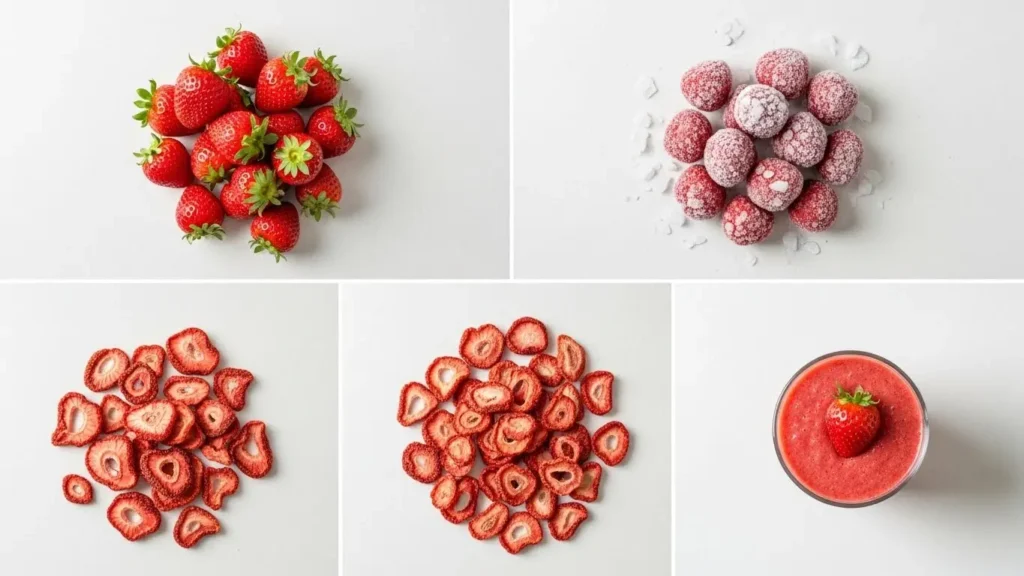
How processing affects fruit nutrition represents critical knowledge for optimizing dietary intake. Different preservation methods alter nutrient content, caloric density, and practical applications significantly.
Fresh vs. Frozen Fruit
Independent laboratory testing reveals that frozen fruits often retain nutrients equal to or exceeding stored “fresh” produce—similar to vegetable findings. Flash-freezing at harvest preserves nutrients that degrade during days or weeks of fresh fruit transportation and storage.
Table 18: Fresh vs. Frozen Nutrient Retention
| Nutrient | Fresh (7 days stored) | Frozen | Winner |
|---|---|---|---|
| Vitamin C | 70-80% | 85-95% | Frozen |
| Anthocyanins | 85-90% | 90-95% | Frozen |
| Fiber | 100% | 100% | Tie |
| Folate | 75-80% | 80-85% | Frozen |
For most practical purposes, frozen fruit represents nutritionally equivalent or superior options compared to stored fresh fruit, with advantages of year-round availability and reduced food waste.
Dried Fruit Considerations
Drying concentrates fruit sugars while reducing water-soluble vitamins, creating calorie-dense products requiring portion awareness:
Per quarter cup:
- Fresh grapes: 31 calories, 8g sugar
- Raisins (dried grapes): 108 calories, 22g sugar
- Fresh apricots: 17 calories, 3g sugar
- Dried apricots: 78 calories, 17g sugar
The 3-4x caloric concentration means quarter-cup portions of dried fruit contain calories equivalent to full cups of fresh fruit. Fiber and minerals remain stable through drying, but vitamin C degrades substantially.
Fruit Juice Analysis
Juicing removes fiber while concentrating sugars, fundamentally altering fruit’s metabolic impact:
Orange juice (8 oz): 110 calories, 21g sugar, 0g fiber
vs. whole orange: 62 calories, 12g sugar, 3g fiber
Without fiber to moderate absorption, fruit juice sugar enters the bloodstream rapidly—similar to soft drink sugar. This explains why dietary guidelines recommend whole fruit over juice and suggest limiting juice consumption despite fruit origin.
For context, examining other beverage profiles reinforces this distinction: coke zero nutritional information shows zero calories and zero nutrients, while fruit juice provides vitamins but lacks fiber. Even examining half and half nutrition facts (40 calories per tablespoon, primarily fat) demonstrates how different liquid food forms serve different nutritional purposes. Whole fruit delivers both nutrients and fiber in balanced form.
Fruit Nutrition in Dietary Context
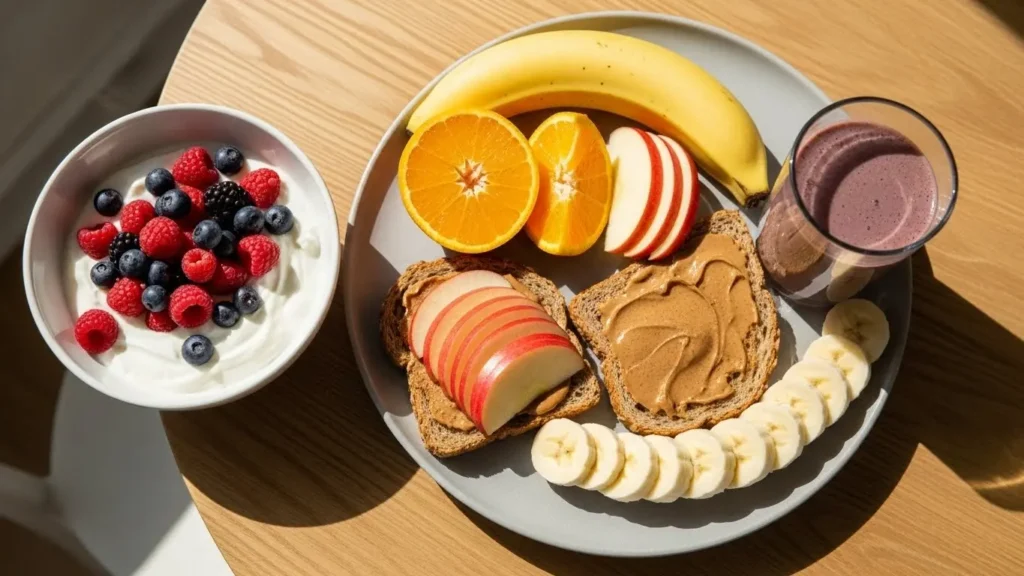
Understanding how fruit nutrition integrates with overall dietary patterns helps optimize food choices across various health goals and lifestyle contexts.
Fruits vs. Other Food Categories
Comparing fruit nutrition to other food categories illuminates their unique dietary role:
Table 19: Nutrient Comparison (per 100 calories)
| Category | Fiber | Vit C | Potassium | Unique Value |
|---|---|---|---|---|
| Berries | 6g | 150% DV | 400mg | Anthocyanins |
| Citrus | 5g | 125% DV | 350mg | Flavonoids |
| Tropical | 3g | 100% DV | 400mg | Enzymes |
| Vegetables | 8g | 100% DV | 500mg | Vitamin K |
| Grains | 2g | 0% DV | 100mg | B vitamins |
The comparison demonstrates fruit’s particular value for vitamin C and antioxidant delivery. Understanding seafood nutrition, grain nutrition, and other food category profiles alongside fruit helps construct balanced dietary patterns meeting all nutritional needs.
Fruit Integration Strategies
For those exploring nutrition shakes, nutrition shake formulations, or meal replacement approaches, fruit provides natural sweetness alongside genuine nutrition—preferable to artificial sweeteners or added sugars.
Examining how commercial products incorporate fruit provides context: fruity pebbles nutrition label, fruity pebbles nutrition facts, and fruity pebbles nutrition reveal minimal actual fruit with substantial added sugar and artificial colors. Similarly, fruit loops nutrition facts and fruit loops nutrition label show “fruit” in name only. These processed cereals contrast sharply with actual fresh fruit nutrition.
Fruit Timing and Athletic Performance
Fruit’s natural sugars provide quick energy appropriate for pre-workout fueling or post-exercise glycogen replenishment. Bananas’ potassium supports electrolyte balance during extended activity. Tart cherry juice demonstrates recovery benefits in athletic research, reducing muscle soreness and inflammation markers.
For those following a low carb nutrition plan, fruit selection requires strategic consideration—berries provide maximum nutrition at lowest carbohydrate cost (5-8g net carbs per half cup), while bananas and grapes deliver higher carbohydrate loads (15-25g per serving).
Special Dietary Applications
Various dietary contexts affect fruit recommendations:
Weight management: Whole fruit’s fiber creates satiety at moderate caloric cost. Emphasizing lower-sugar berries and melons while moderating tropical fruit portions optimizes weight management efforts.
Blood sugar regulation: Berries and citrus demonstrate lower glycemic indices than tropical fruits and dried fruits. Pairing fruit with protein or fat sources (cottage cheese, nuts) further moderates glucose response.
Digestive health: Fruit fiber supports gut microbiome diversity. Papaya and pineapple enzymes aid protein digestion for those with digestive challenges.
Comparing Fruits to Processed Alternatives
Understanding fruit nutrition gains context through comparison with processed products that might substitute for or claim fruit content.
Fruit vs. Fruit-Flavored Products
The contrast between actual fruit and “fruit-flavored” processed foods illuminates marketing versus nutritional reality:
Actual strawberries (1 cup): 49 calories, 3g fiber, 99% DV vitamin C
vs. “strawberry” flavored products: Often contain zero actual fruit
Examining miracle whip nutrition (45 calories, 0 fiber, 0 vitamins per tablespoon) or slim jim nutrition label (~80 calories, processed meat, minimal nutrients) demonstrates how processing creates entirely different nutritional profiles than whole foods.
Fruit vs. Sugary Snacks
Comparing fruit to confectionery products with similar sugar content reveals the matrix effect’s importance:
Medium apple: 95 calories, 19g sugar, 4g fiber, vitamins
vs. nutrition ferrero rocher (3 pieces): 220 calories, 15g sugar, 1g fiber, minimal vitamins
Cup of grapes: 104 calories, 23g sugar, 1g fiber, vitamins
vs. nutritional information of nutella (2 tbsp): 200 calories, 21g sugar, 1g fiber, minimal vitamins
Both comparisons demonstrate that even when sugar content appears similar, whole fruit provides fiber, vitamins, and phytochemicals entirely absent from processed confections.
Fruit vs. Convenience Foods
Broader food comparisons reinforce fruit’s nutritional value:
Banana + apple: 200 calories, 7g fiber, vitamins B6 and C
vs. hot pocket nutritional value: ~300 calories, 2g fiber, minimal vitamins
Cup of berries: 60-80 calories, 4-8g fiber, abundant antioxidants
vs. ramen noodles nutrition: ~380 calories, 1g fiber, minimal nutrients
For those using calculate nutrition facts from recipe tools or similar dietary tracking approaches, these comparisons help communicate fruit’s superior nutritional return per calorie.
Specialized Topics: Organic, Seasonal, and Storage Considerations
Beyond basic nutrition data, practical questions about fruit quality, selection, and storage significantly affect actual nutritional delivery.
Organic vs. Conventional Fruit
Independent laboratory analysis demonstrates minimal nutritional differences between organic and conventional fruits—similar to vegetables. The organic designation affects production methods (pesticide restrictions) rather than final nutrient content.
Where organic fruit may matter more:
- Pesticide residue (particularly relevant for “Dirty Dozen” fruits eaten with skin)
- Environmental impact
- Certain phytochemical concentrations (marginally higher in some studies)
For those working with resources like mother’s nutritional center or similar nutrition education providers, communicating that organic represents valid pesticide-avoidance decisions rather than nutritional optimization helps consumers make informed choices.
Seasonal Availability and Quality
Fruits harvested in-season at peak ripeness and consumed promptly demonstrate superior nutrition compared to fruits shipped long distances or stored for extended periods. However, frozen fruit harvested at peak ripeness may exceed “fresh” out-of-season fruit nutritionally.
Understanding seasonality supports both optimal nutrition and sustainability:
- Berries: Peak summer (June-August in Northern Hemisphere)
- Stone fruits: Mid-summer (July-August)
- Citrus: Winter (November-March)
- Apples: Fall (September-November)
- Tropical fruits: Year-round in tropical regions; imported otherwise
Storage Optimization
Proper storage significantly affects fruit nutrient retention:
Counter storage (room temperature):
- Bananas, stone fruits (until ripe)
- Tomatoes (botanically fruits)
- Melons (until cut)
Refrigerator storage:
- Berries (wash just before eating)
- Cut melons
- Citrus (extended storage)
- Ripe stone fruits
Avoid refrigeration:
- Bananas (causes skin blackening, texture change)
- Unripe stone fruits (inhibits ripening)
These storage principles maximize both quality and nutritional retention across fruit categories.
Liver and Fruit Nutrition
For those interested in liver nutrition and liver health, certain fruits demonstrate particular benefits: citrus fruits support liver detoxification pathways, berries’ antioxidants protect hepatocytes from oxidative damage, and avocados (botanically fruits) provide healthy fats supporting liver function. Grapefruit requires caution for those on certain medications metabolized by the liver.
Nutrition Education Resources
For those seeking deeper nutrition knowledge, various pathways exist:
- Formal education: nutrition degree programs, nutrition major tracks at universities
- Professional certification: holistic nutrition certification, specialized credentials
- Continuing education: nutrition courses, workshops, online learning
Resources like sunshine nutrition, rho nutrition reviews, and similar platforms provide ongoing education opportunities. Those interested in overnight oats nutrition, overnight oats nutrition facts, and similar practical applications find abundant recipe-focused nutrition information online.
Understanding that nutrition education spans from basic label reading to advanced biochemistry helps individuals select appropriate learning pathways for their goals—whether personal health optimization or professional nutrition careers.
Frequently Asked Questions
Which fruits have the most vitamin C?
Kiwi leads common fruits with 273% daily vitamin C per cup, followed by papaya (144%), strawberries (99%), and pineapple (88%). Citrus fruits, while associated with vitamin C, actually rank below these options—an orange provides 78% daily needs versus kiwi’s 273%. Guava, less commonly available, provides exceptional vitamin C at 377% per cup.
Are fruits too high in sugar for healthy diets?
No—fruit sugars arrive packaged with fiber, water, and nutrients that fundamentally alter metabolic response compared to added sugars. Population studies consistently associate fruit consumption with health benefits including reduced cardiovascular disease and diabetes risk, despite sugar content. The fiber in whole fruit moderates sugar absorption, preventing the rapid blood glucose spikes caused by isolated sugars.
How many servings of fruit should I eat daily?
Dietary guidelines recommend 1.5-2 cups of fruit daily for most adults. Higher intakes associate with additional health benefits in research without documented harm. Variety across fruit categories ensures diverse vitamin, mineral, and phytochemical intake rather than concentrated consumption of single fruit types.
Is frozen fruit as nutritious as fresh?
Frozen fruit often retains nutrients equal to or exceeding stored “fresh” fruit. Flash-freezing at harvest preserves nutrients that degrade during transportation and storage of fresh fruit. For practical purposes, frozen fruit represents nutritionally equivalent options with advantages of year-round availability and reduced waste.
What’s the healthiest fruit overall?
No single “healthiest” fruit exists—different fruits excel in different nutrients. Berries provide maximum antioxidants, citrus delivers vitamin C efficiently, and tropical fruits offer unique enzymes. Consuming variety across categories ensures comprehensive nutritional benefit rather than attempting to identify a single optimal choice.
Does fruit juice count as fruit servings?
Dietary guidelines recommend limiting juice consumption despite fruit origin. Juicing removes fiber while concentrating sugars, causing rapid blood glucose response similar to soft drinks. Half a cup of 100% juice counts as one fruit serving, but whole fruit provides superior nutritional delivery with fiber included.
Which fruits are lowest in sugar?
Berries provide the lowest sugar content per cup: raspberries (5g), strawberries (7g), and blackberries (7g). Melons follow with watermelon (9g) and cantaloupe (12g). Tropical fruits contain highest sugar: mangoes (23g), grapes (23g), and cherries (18g). For low-carbohydrate approaches, berries maximize nutrition at minimal sugar cost.
Can diabetics eat fruit?
Yes—whole fruit consumption does not increase diabetes risk and may reduce it according to research. The fiber in whole fruit moderates blood glucose response. Diabetics should emphasize lower-glycemic fruits (berries, citrus), consume fruit with protein or fat sources, monitor portion sizes, and avoid fruit juice. Individual glucose response monitoring helps identify personally appropriate fruit choices.
What fruits should I eat for better sleep?
Tart cherries contain natural melatonin supporting sleep-wake cycle regulation—tart cherry juice demonstrates sleep improvement in research studies. Kiwi consumption before bed improves sleep onset and duration in some studies, potentially through serotonin content. Bananas provide magnesium and B6 supporting relaxation and sleep quality.
How do I know if fruit is ripe and nutritious?
Ripe fruit typically demonstrates peak nutritional content alongside optimal flavor. Indicators vary by fruit: slight give when pressed (stone fruits, avocados), fragrant aroma at stem end (melons, pineapple), deep uniform color (berries, citrus), and easy separation from stem (grapes). Unripe fruit contains fewer available nutrients and may cause digestive discomfort.
Are dried fruits healthy snacks?
Dried fruits retain fiber and minerals but concentrate sugars 3-4x versus fresh fruit while losing vitamin C. A quarter cup of dried fruit contains calories equivalent to a full cup of fresh fruit. Portion awareness is essential—treating dried fruit as concentrated energy sources rather than equivalent fresh fruit substitutes supports appropriate consumption.
What fruits have the most fiber?
Raspberries lead with 8g fiber per cup, followed by pears (6g per medium), blackberries (7.6g per cup), and apples (4g per medium with skin). Tropical fruits generally provide less fiber (2-3g per serving) while contributing other nutritional benefits. Consuming high-fiber fruits supports digestive health and satiety.
Conclusion
The comprehensive analysis of fruit nutrition reveals a food category delivering essential vitamins, fiber, and antioxidants in naturally appealing forms—berries concentrating anthocyanins at levels exceeding most foods, citrus providing efficient vitamin C delivery, and tropical fruits offering unique digestive enzymes unavailable elsewhere. Fresh fruit nutrition data consistently demonstrates that whole fruit provides substantial micronutrient density while natural sugars metabolize differently than added sugars due to fiber and phytochemical matrix effects.
The practical implications support regular fruit consumption as foundational to nutritional adequacy. Meeting the 1.5-2 cup daily minimum ensures meaningful vitamin C, potassium, and antioxidant intake while higher amounts provide additional benefits without documented risks for most individuals. The variety within fruit categories—berries for antioxidants, citrus for vitamin C, tropical fruits for enzymes, melons for hydration—offers flexibility for preferences while ensuring comprehensive coverage.
Understanding processing effects helps navigate practical choices: frozen fruit retains nutrients effectively, dried fruit requires portion awareness due to sugar concentration, and juice lacks fiber essential for optimal fruit benefit. These nuances enable optimization beyond simple “eat more fruit” guidance.
For those building nutrition knowledge—whether through formal education, professional certification, or personal interest—fruit nutrition represents foundational content essential for dietary counseling and meal planning. The principles of phytochemical diversity, sugar metabolism, and preservation effects that apply to fruits extend throughout nutrition practice.
Independent laboratory testing confirms that properly grown, stored, and ripened fruits deliver their nutritional content reliably. Unlike processed products where marketing claims may exceed nutritional reality, whole fruits represent straightforward nutrition—measurable, verifiable, and consistently beneficial across consumption patterns.
The evidence supports emphasizing whole fruit intake within balanced dietary patterns. The natural sweetness that makes fruit appealing also delivers genuine nutrition—a combination that processed “fruit-flavored” products cannot replicate regardless of marketing claims.
Medical Disclaimer
This article provides nutritional information for educational purposes only. Individual needs vary based on age, health status, activity level, and medical conditions. Those taking medications should consult healthcare providers regarding grapefruit interactions. Diabetics should monitor individual blood glucose responses to different fruits. Consult a registered dietitian or healthcare provider before making significant dietary changes. Data current as of January 2026. Nutritional values may vary based on specific varieties, growing conditions, and ripeness.