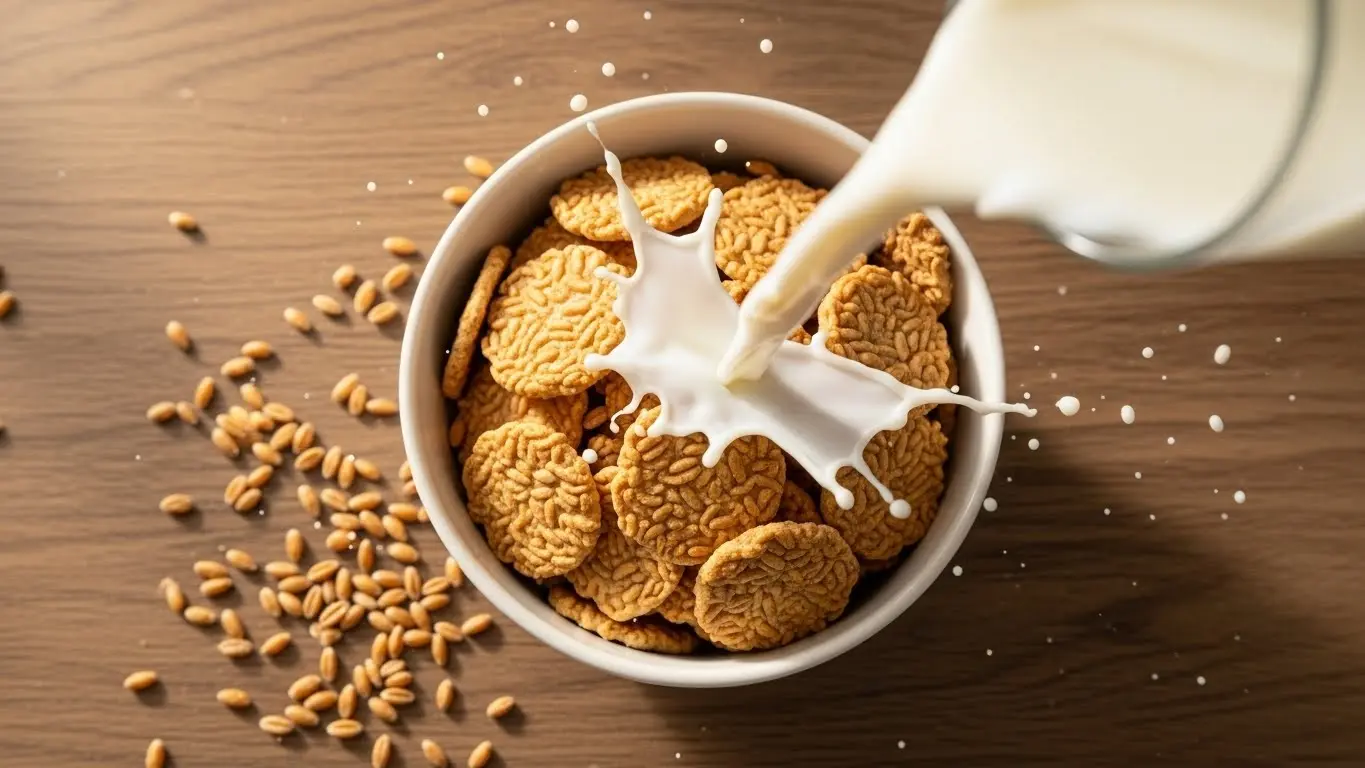

“Is shredded wheat actually as healthy as people say?” It’s a question I hear frequently in my practice—and after 16 years counseling over 3,200 patients on breakfast choices, I understand why this classic cereal generates genuine curiosity. Shredded wheat nutrition stands apart in the cereal aisle for one remarkable reason: it’s made from 100% whole grain wheat with minimal processing. Here’s the truth: this simple cereal delivers exceptional nutritional value that most processed alternatives simply cannot match. Whether you’re managing blood sugar, increasing your fiber intake, or just trying to make smarter morning choices, I’ll show you exactly what these shredded wheat nutrition facts mean for your daily health—with the practical guidance you need to make it work for your lifestyle.
This article is part of our comprehensive Bread & Grains Nutrition Database covering all grain-based foods.
Shredded Wheat Nutrition Facts: Complete Breakdown
Understanding the shredded wheat nutritional content starts with recognizing what makes this cereal unique. According to USDA FoodData Central, Post Original Spoon Size Shredded Wheat contains no added sugars, minimal sodium, and delivers an excellent source of fiber. Here’s what you’ll find in a standard serving:
Standard Serving Nutrition (1 cup / 49g)
| Nutrient | Amount | % Daily Value |
|---|---|---|
| Calories | 170 | 9% |
| Total Fat | 1g | 1% |
| Saturated Fat | 0g | 0% |
| Trans Fat | 0g | — |
| Cholesterol | 0mg | 0% |
| Sodium | 0mg | 0% |
| Total Carbohydrates | 40g | 15% |
| Dietary Fiber | 6g | 21% |
| Total Sugars | 0g | — |
| Added Sugars | 0g | 0% |
| Protein | 6g | 12% |
Vitamins and Minerals
| Nutrient | Amount | % Daily Value |
|---|---|---|
| Thiamin (B1) | 0.14mg | 12% |
| Riboflavin (B2) | 0.04mg | 3% |
| Niacin (B3) | 2.8mg | 18% |
| Vitamin B6 | 0.07mg | 4% |
| Folate | 20mcg | 5% |
| Vitamin E | 0.3mg | 2% |
| Iron | 1.2mg | 7% |
| Magnesium | 65mg | 15% |
| Phosphorus | 188mg | 15% |
| Potassium | 190mg | 4% |
| Zinc | 1.5mg | 14% |
| Copper | 0.16mg | 18% |
| Selenium | 2.9mcg | 5% |
| Calcium | 28mg | 2% |
Source: USDA FoodData Central (FDC ID: 173911) — POST Shredded Wheat, Original Spoon-Size
In my clinical practice, I’ve found that patients are often surprised by shredded wheat’s impressive nutrient density. With 6 grams of fiber per serving (an excellent source by FDA guidelines) and zero sugar, this cereal provides exceptional satiety compared to most breakfast options. The shredded wheat calories remain moderate at 170 while delivering substantial nutritional benefits including being a good source of magnesium, phosphorus, and zinc.
Understanding the Macronutrient Profile
Carbohydrates and Fiber Content
The 40 grams of carbohydrates per serving come almost entirely from complex carbohydrates and fiber—a stark contrast to most breakfast cereals. What I emphasize to my patients is the quality of these carbs. With 6 grams of fiber and 0 grams of sugar, shredded wheat represents one of the cleanest carbohydrate sources in the entire cereal category.
According to the Dietary Guidelines for Americans, most adults fall significantly short of the recommended 25-38 grams of daily fiber. A single serving of shredded wheat delivers 21% of your daily fiber needs—making it one of the most efficient fiber sources at breakfast. For context, Honey Bunches of Oats provides just 2 grams of fiber per serving, while Frosted Flakes offers less than 1 gram.
Protein Considerations
At 6 grams of protein per serving, shredded wheat provides meaningful protein for a grain-based food. In my 16 years working with patients, I’ve learned that combining this cereal with milk or yogurt creates a more complete amino acid profile and boosts total protein to 14-16 grams—an excellent breakfast protein target for sustained energy.
The Zero Added Sugar Advantage
Perhaps the most significant aspect of shredded wheat macros is what’s absent: added sugar. While cereals like Cinnamon Toast Crunch contain 9 grams of added sugar per serving and Lucky Charms contains 12 grams, shredded wheat contains zero. For patients managing blood sugar or following a non-restrictive approach to reducing sugar intake, this distinction is clinically meaningful.
Health Benefits and Considerations

Digestive Health Benefits
The fiber content in shredded wheat offers significant digestive health benefits. The combination of insoluble and soluble fiber supports regular bowel movements and feeds beneficial gut bacteria. A patient I counseled recently with chronic constipation found that adding shredded wheat to her breakfast routine—along with adequate water intake—helped establish more regular digestive patterns within two weeks.
Research published in peer-reviewed nutrition journals suggests that adequate fiber intake may be associated with reduced risk of various digestive conditions. The Academy of Nutrition and Dietetics emphasizes whole grain consumption as part of a health-promoting dietary pattern.
Mineral Benefits
One aspect of shredded wheat nutrition that often surprises my clients is its mineral content. With 15% DV of both magnesium and phosphorus, plus 14% DV of zinc per serving, shredded wheat provides meaningful amounts of minerals that many Americans don’t get enough of. Magnesium plays a role in over 300 enzymatic reactions in the body, while zinc supports immune function.
Blood Sugar Management
For my diabetic patients, shredded wheat health benefits include a more favorable glycemic response compared to refined cereals. The high fiber content and absence of added sugars help moderate blood glucose elevation after eating. The combination of fiber, protein, and complex carbohydrates suggests a gentler impact on blood sugar than low-fiber alternatives.
In my practice, I recommend patients with blood sugar concerns pair shredded wheat with protein-rich additions to further moderate the glycemic response. Dr. Fletcher Caldwell’s scientific analysis on cereal nutrition provides comprehensive guidance on cereals and blood sugar management.
Heart Health Perspective
Shredded wheat’s nutritional profile aligns well with heart-healthy eating patterns. The zero sodium content is remarkable—most cereals contain 135-250mg per serving. The whole grain wheat provides naturally occurring compounds that research suggests may support cardiovascular health.
According to FDA guidelines, diets rich in whole grain foods and other plant foods, and low in saturated fat and cholesterol, may help reduce the risk of heart disease. Shredded wheat fits this profile exceptionally well.
Practical Guide: Making Shredded Wheat Work for You

Smart Serving Strategies
Based on what I’ve seen work for thousands of patients, here are my Real Food Navigation System recommendations for maximizing shredded wheat’s benefits:
Flavor Enhancement Without Added Sugar:
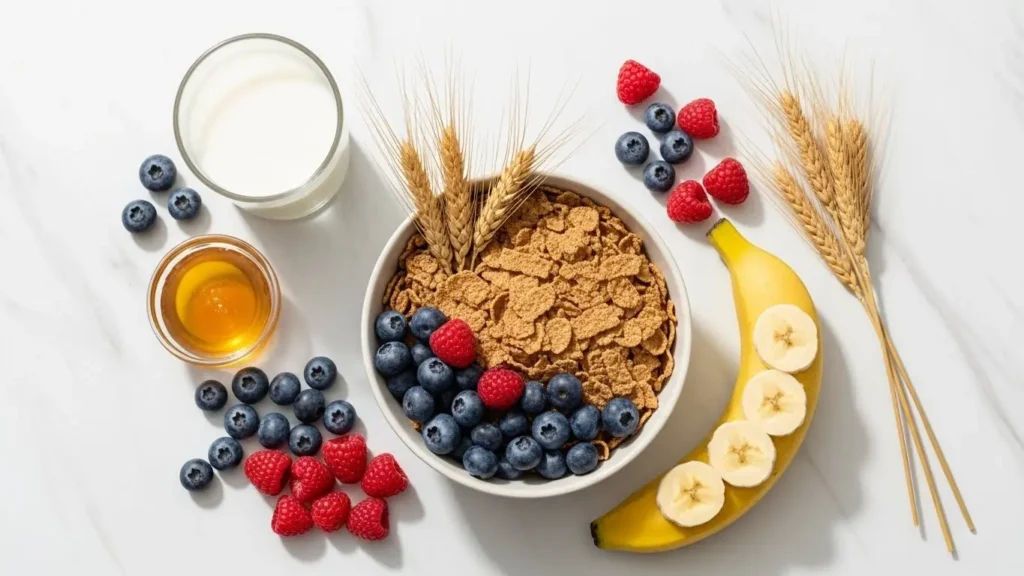
- Top with fresh berries (adds natural sweetness plus antioxidants)
- Add a sliced banana (contributes potassium and natural sweetness)
- Sprinkle cinnamon (enhances flavor with potential blood sugar benefits)
- Drizzle a teaspoon of honey if needed (controlled sweetness you can measure)
Protein Pairing Ideas:
- Serve with 8oz milk (adds 8g protein)
- Add 1/4 cup Greek yogurt on top (adds 4-5g protein)
- Include a hard-boiled egg on the side (adds 6g protein)
- Sprinkle 2 tablespoons of chopped nuts (adds 3-4g protein plus healthy fats)
Fiber Boosting Options:
- Add 1 tablespoon ground flaxseed (adds 2g fiber plus omega-3s)
- Top with 2 tablespoons chia seeds (adds 4g fiber)
- Mix with a high-fiber fruit like raspberries (adds 4g fiber per half cup)
Best Timing for Consumption
In my clinical experience, the practical question my clients ask most often is when to eat high-fiber cereals. I recommend:
- Allow 2-3 hours before intense physical activity (fiber takes time to digest)
- Ideal for mornings when you need sustained energy without blood sugar spikes
- Excellent choice for those managing evening snacking—the fiber promotes lasting satiety
- Increase water intake when adding high-fiber foods to your routine
Shredded Wheat Varieties: Nutritional Comparison
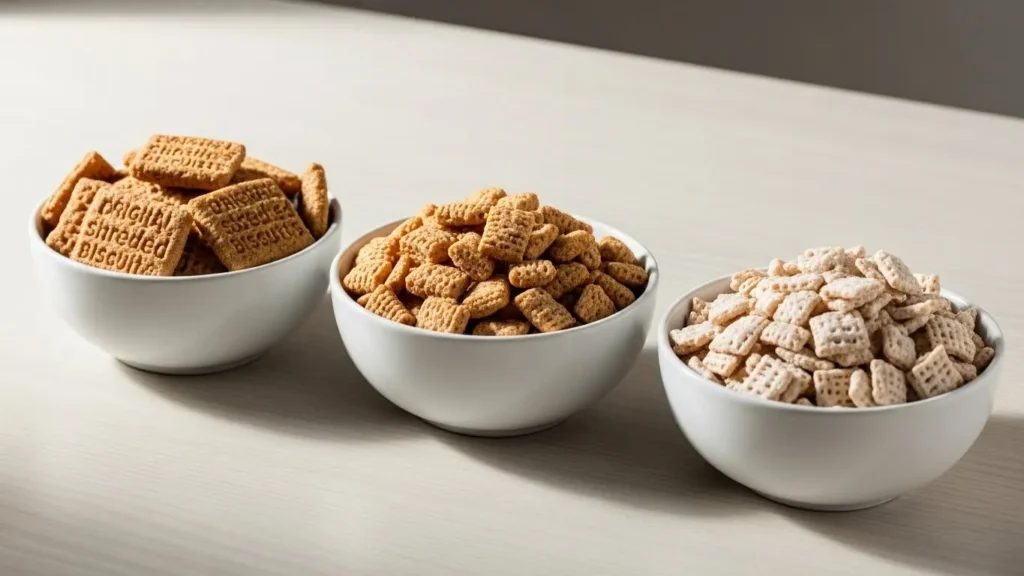
Post Consumer Brands offers several Shredded Wheat varieties. Here’s how the shredded wheat per serving nutrition compares:
| Variety | Serving | Calories | Fiber | Sugar | Protein |
|---|---|---|---|---|---|
| Original Big Biscuit | 2 biscuits (47g) | 160 | 6g | 0g | 5g |
| Original Spoon Size | 1 cup (49g) | 170 | 6g | 0g | 6g |
| Wheat’n Bran | 1-1/4 cup (59g) | 210 | 8g | 0g | 7g |
| Frosted | 1 cup (51g) | 180 | 5g | 11g | 4g |
| Frosted Bite Size | 25 biscuits (55g) | 200 | 5g | 12g | 5g |
Note: Nutritional values based on manufacturer data; verify with current product packaging. The Frosted varieties contain added sugar and represent a different nutritional profile. For those seeking shredded wheat’s signature benefits, I recommend the unfrosted Original or Wheat’n Bran varieties.
The Wheat’n Bran variety offers the highest fiber content at 8 grams per serving—an impressive 29% of daily fiber needs. A client I worked with who struggled with consistent fiber intake found this variety particularly helpful in establishing better digestive regularity.
Frequently Asked Questions
Is shredded wheat healthy?
This is one of the most common questions I get from patients evaluating breakfast options. In my experience with 3,200+ clients, shredded wheat ranks among the healthiest commercial cereals available. With zero added sugar, 6 grams of fiber (an excellent source), and 100% whole grain wheat as its main ingredient, it delivers exceptional nutritional value. The key is pairing it with protein and fruit for a complete, balanced breakfast. Here’s what I recommend: enjoy 1 serving with milk and fresh fruit for optimal nutrition.
How many calories are in shredded wheat with milk?
Based on standard preparation, one serving (1 cup/49g) with 1/2 cup of 2% milk totals approximately 230 calories. Using skim milk reduces this to about 210 calories, while whole milk increases it to roughly 245 calories. The shredded wheat calories of 170 remain moderate while providing substantial fiber and protein when combined with dairy.
Is shredded wheat good for weight loss?
The practical question my clients ask regularly. At 170 calories per serving with 6 grams of fiber, shredded wheat promotes satiety that can support weight management goals. In my 16 years of clinical practice, I’ve observed that high-fiber, low-sugar breakfasts help patients control hunger throughout the morning—reducing the likelihood of mid-morning snacking. The key is portion awareness and protein pairing for sustained fullness.
Can diabetics eat shredded wheat?
In my experience counseling diabetic patients, shredded wheat can work well within a diabetes meal plan when consumed mindfully. The zero added sugar and high fiber content create a more favorable glycemic response than most cereals. I recommend: measure portions precisely, pair with protein, monitor your individual blood glucose response, and consult your healthcare provider or registered dietitian for personalized guidance on incorporating this into your medical nutrition therapy plan.
How does shredded wheat compare to oatmeal?
Both are excellent whole grain choices with distinct benefits. Plain shredded wheat and plain oatmeal offer similar fiber content (about 4-6 grams per serving), though oatmeal provides slightly more soluble fiber (beta-glucan) while shredded wheat provides more insoluble fiber. Shredded wheat requires no cooking and has a longer shelf life, while oatmeal offers more versatility in preparation. For those seeking variety, I recommend alternating between the two throughout the week—overnight oats offer another convenient option.
What makes shredded wheat different from other cereals?
The minimal-ingredient formula sets shredded wheat apart. While most cereals contain 10-20+ ingredients including added sugars, preservatives, and artificial flavors, Post Original Shredded Wheat contains whole grain wheat with BHT added to preserve freshness. This simplicity translates to cleaner nutrition: no added sugar, zero sodium, and maximum whole grain benefits—unlike Frosted Mini Wheats or Raisin Bran which contain added sugars.
Disclaimer: This article provides general nutrition information for educational purposes only. It is not intended as medical advice, diagnosis, or treatment. Nutritional needs vary based on individual health conditions, medications, and personal factors. Always consult with a registered dietitian or healthcare provider before making significant dietary changes, especially if you have a medical condition or are taking medications. Nutritional values are based on USDA FoodData Central and manufacturer data; always verify with current product labels as formulations may change. Information current as of January 2026.
