


“Can I really enjoy a Snickers and still eat healthy?” It’s a question I hear regularly in my practice—and after 16 years counseling over 3,200 patients on sustainable dietary habits, I understand the genuine confusion surrounding candy bars and dessert nutrition. Snickers nutrition facts reveal a more nuanced picture than simple “good” or “bad” labels suggest. Here’s the truth: understanding what’s actually in this iconic candy bar empowers you to make informed choices about if, when, and how it fits into your overall eating pattern. Whether you’re managing blood sugar, counting calories, or simply practicing mindful indulgence, I’ll break down exactly what these snickers nutrition facts mean for your health—without the guilt or judgment.
Snickers Nutrition Facts: Complete Breakdown
Understanding snickers nutritional content starts with looking at what a standard bar actually delivers. According to Mars, Inc. and verified against USDA FoodData Central, here’s the complete nutritional profile for a Snickers Singles Size bar:
Standard Serving Nutrition (1 bar / 52.7g)
| Nutrient | Amount | % Daily Value |
|---|---|---|
| Calories | 250 | 13% |
| Total Fat | 12g | 15% |
| Saturated Fat | 4.5g | 23% |
| Trans Fat | 0g | — |
| Cholesterol | <5mg | 0% |
| Sodium | 125mg | 5% |
| Total Carbohydrates | 32g | 12% |
| Dietary Fiber | 1g | 4% |
| Total Sugars | 28g | — |
| Added Sugars | 26g | 52% |
| Protein | 4g | 8% |
Vitamins and Minerals
| Nutrient | Amount | % Daily Value |
|---|---|---|
| Calcium | 40mg | 4% |
| Potassium | 150mg | 4% |
| Iron | 0mg | 0% |
| Vitamin D | 0mcg | 0% |
| Vitamin A | 0mcg | 0% |
| Vitamin C | 0mg | 0% |
Source: Mars, Inc. Official Nutrition Data & USDA FoodData Central
In my clinical practice, I’ve found that patients are often surprised by two things: the 4 grams of protein (more than many candy bars) and the 52% Daily Value of added sugars in a single bar. The snickers calories of 250 place it in the moderate range for candy bars, but context matters—what you eat alongside it and when you consume it significantly impacts how your body processes these nutrients.
Understanding the Macronutrient Profile
Carbohydrates and Sugar Content
The 32 grams of carbohydrates in a Snickers bar come predominantly from sugars—28 grams total, with 26 grams classified as added sugars. What I emphasize to my patients is that this represents over half of the FDA’s recommended daily limit for added sugars in a single serving.
However, some sources estimate the glycemic index of Snickers in the low-to-moderate range (approximately 40-55), though this has not been officially verified through standardized lab testing. The combination of fat, protein, and peanuts helps slow glucose absorption compared to pure sugar candy. For context, lower-fat and lower-protein treats may produce a different glycemic response due to faster carbohydrate absorption.

Fat Content Analysis
At 12 grams of total fat (4.5g saturated), snickers macros reflect its combination of milk chocolate, peanuts, and nougat. In my 16 years working with patients, I’ve learned that the fat profile here is mixed—the peanuts contribute monounsaturated fats, which research suggests may support heart health, while the chocolate coating adds saturated fat. The absence of trans fats is a positive note, as Mars reformulated the recipe years ago.
Protein Considerations
At 4 grams of protein per bar, Snickers delivers more protein than most candy alternatives. This comes primarily from the peanuts—a key ingredient that sets Snickers apart from purely chocolate confections. While not a protein source I’d recommend to clients, this protein content does provide slightly better satiety than sugar-only candies.
Health Considerations and Dietary Impact
Blood Sugar Management

For my diabetic patients, snickers health benefits are limited, but the bar isn’t necessarily off-limits with careful planning. The combination of fat, protein, and carbohydrates may result in a more gradual blood sugar response compared to pure sugar candies, though individual responses vary. However, the 28 grams of sugar still requires consideration.
A patient I counseled recently with Type 2 diabetes wanted to enjoy occasional treats without derailing her management plan. We developed a strategy: pairing a fun-size Snickers (about 80 calories) with a source of additional protein, consuming it after a balanced meal rather than on an empty stomach, and accounting for the carbohydrates in her daily tracking.
Weight Management Perspective
At 250 snickers calories per serving, fitting this treat into a weight management plan requires awareness. Based on what I’ve seen work for thousands of patients, the key is portion awareness and frequency—not elimination. A standard Snickers represents about 12-15% of a typical 1,800-2,000 calorie daily intake.
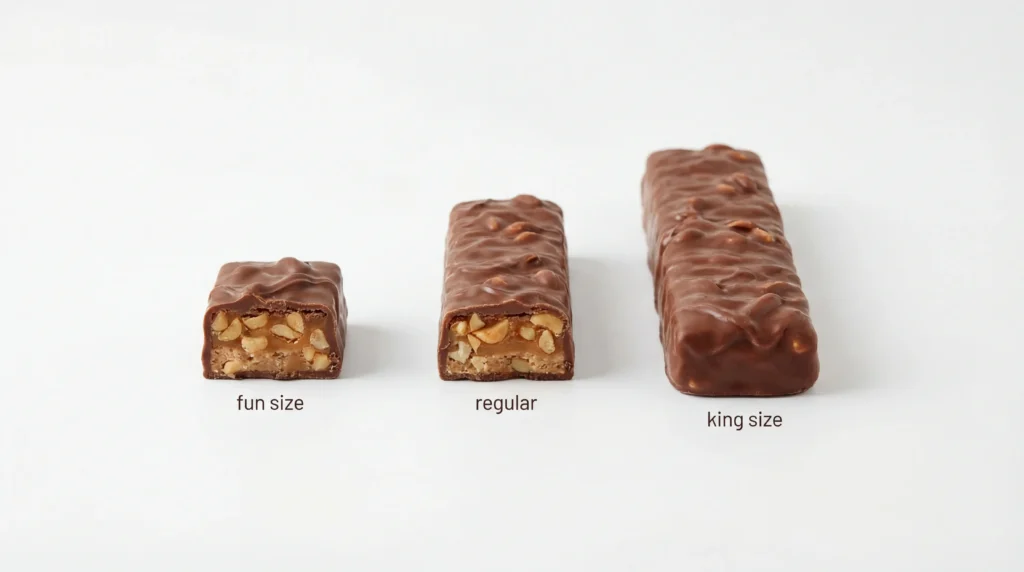
For patients working toward weight goals, I often recommend the fun-size version at approximately 80 calories, which allows for the taste experience at roughly one-third the caloric cost.
Allergen Considerations
Snickers contains several major allergens that require attention:
- Peanuts (primary ingredient)
- Milk (chocolate and nougat)
- Egg (egg whites in nougat)
- Soy (soy lecithin)
- May contain tree nuts (manufacturing cross-contact)
For patients with food allergies, these allergens make Snickers unsuitable. I direct those seeking similar flavors toward allergen-free alternatives, though they often have different nutritional profiles.
Practical Guide: Making Informed Choices
Smart Consumption Strategies
Based on my Real Food Navigation System recommendations, here’s how to approach Snickers mindfully:
Timing Considerations:
- Best consumed after a balanced meal containing protein and fiber
- Avoid eating on an empty stomach (causes sharper blood sugar spikes)
- If craving chocolate mid-afternoon, pair with a handful of almonds
- Allow yourself to eat slowly and savor the experience
Portion Control Options:
- Fun Size (17.1g): ~80 calories—ideal for controlled indulgence
- Singles Size (52.7g): 250 calories—standard serving
- Snickers Minis: ~45 calories each—multiple small portions
Healthier Pairing Ideas:
- Follow with a glass of water to help with satiety
- Pair with a small portion of Greek yogurt for added protein
- Balance the day’s remaining meals with vegetables and lean proteins—consider options like Sweetgreen nutrition bowls for a nutrient-dense meal
- Consider as part of a trail mix with actual nuts and dried fruit
Comparison with Similar Treats
| Candy Bar | Calories | Sugar | Protein | Fat |
|---|---|---|---|---|
| Snickers (52.7g) | 250 | 28g | 4g | 12g |
| Reese’s Peanut Butter Cups (42g) | 210 | 21g | 5g | 13g |
| Milky Way (52.2g) | 240 | 31g | 2g | 9g |
| Twix (50.7g) | 250 | 24g | 2g | 12g |
| Klondike Bar (85g) | 250 | 20g | 3g | 14g |
Snickers offers more protein than most competitors due to its peanut content, though Reese’s Peanut Butter Cups edge slightly higher in protein per gram.
Note: Values are approximate and may vary by region or formulation. Always verify with current product packaging.
Snickers Varieties: Nutritional Comparison
Mars offers several Snickers variations with different nutritional profiles:
| Variety | Serving | Calories | Sugar | Protein | Key Difference |
|---|---|---|---|---|---|
| Original | 52.7g | 250 | 28g | 4g | Classic formula |
| Fun Size | 17.1g | 80 | 9g | 1g | Smaller portion |
| Snickers Almond | 52.7g | 240 | 26g | 4g | Almonds replace peanuts |
| Snickers Dark | 52.7g | 250 | 27g | 4g | Dark chocolate coating |
| Snickers Peanut Brownie | 34g | 180 | 15g | 2g | Brownie-style squares |
Note: Nutritional values based on manufacturer data; always verify with current product packaging. Formulations may vary by region.

The Almond variety offers slightly fewer calories and may appeal to those who find peanuts difficult to digest. Dr. Fletcher Caldwell’s analysis on nutrition bar alternatives provides scientific comparison for those seeking higher-protein options.
Frequently Asked Questions
How many calories in a Snickers bar?
This is one of the most common questions I receive about candy bars. A standard Snickers Singles Size bar (1.86 oz / 52.7g) contains 250 calories. The fun size Snickers contains approximately 80 calories, making it a more portion-controlled option. In my experience with 3,200+ clients, awareness of exact snickers calories helps people make informed decisions about fitting treats into their overall eating pattern.
Is Snickers healthy?
The practical question my clients ask regularly. In my 16 years of clinical practice, I’ve learned that labeling foods as simply “healthy” or “unhealthy” oversimplifies nutrition. Snickers provides 4g of protein and some minerals from peanuts, but also delivers 26g of added sugars—over half the recommended daily limit. It’s best classified as an occasional indulgence rather than a regular part of a health-promoting diet.
Can diabetics eat Snickers?
In my experience counseling diabetic patients, Snickers can fit into a diabetes management plan when consumed mindfully. The presence of fat and protein may help slow glucose absorption somewhat compared to pure sugar candies. However, the 28g of sugar requires careful consideration. I recommend: choosing fun-size portions, eating after meals rather than alone, monitoring your individual blood glucose response, and consulting your healthcare provider for personalized guidance.
How much sugar is in a Snickers?
A standard Snickers bar contains 28 grams of total sugar, with 26 grams classified as added sugars. This represents 52% of the FDA’s recommended Daily Value for added sugars (50g) in a single serving. For perspective, that’s roughly equivalent to 7 teaspoons of sugar.
Is Snickers better than other candy bars?
Compared to many candy alternatives, Snickers offers slightly better nutritional value due to its peanut content—providing 4g of protein and some minerals. However, “better” depends on your specific health goals. If you’re watching saturated fat, other options may be preferable. If protein content matters, Snickers or Reese’s Peanut Butter Cups outperform most chocolate bars.
What are the ingredients in Snickers?
According to Mars, Inc.: Milk Chocolate (Sugar, Cocoa Butter, Chocolate, Skim Milk, Lactose, Milkfat, Soy Lecithin), Peanuts, Corn Syrup, Sugar, Palm Oil, Skim Milk, Lactose, Salt, Egg Whites, Artificial Flavor. The bar contains peanuts, milk, egg, and soy—and may contain tree nuts from manufacturing processes.
Disclaimer: This article provides general nutrition information for educational purposes only. It is not intended as medical advice, diagnosis, or treatment. Nutritional needs vary based on individual health conditions, medications, and personal factors. Always consult with a registered dietitian or healthcare provider before making significant dietary changes, especially if you have a medical condition, food allergies, or are taking medications. Nutritional values are based on manufacturer data and USDA FoodData Central; always verify with current product labels as formulations may change. Information current as of January 2026.
