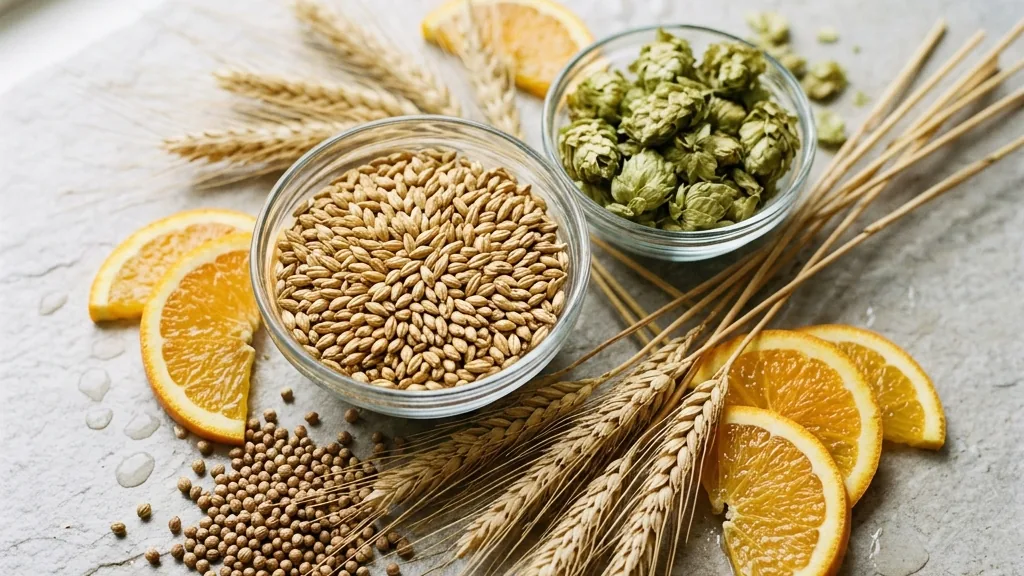
The Blue Moon nutritional content most people look for is straightforward: a 12-ounce serving of Blue Moon Belgian White has 168 calories, 14 grams of carbohydrate, 1.9 grams of protein, no fat, and an alcohol content of 5.4 percent by volume. As a Belgian-style wheat ale brewed with orange peel and coriander, it carries a bit more body, and a few more calories, than a typical light lager. This guide lays out the full nutrition numbers, explains where those calories actually come from, compares the main Blue Moon varieties, and covers how the beer fits diet and moderation guidelines.
A quick note before the numbers: this is nutrition information, not a recommendation to drink, and alcohol should always be enjoyed responsibly and only by adults of legal drinking age.
Blue Moon Belgian White Nutrition Facts
Here is the nutrition breakdown for a standard 12-ounce (355-milliliter) serving of Blue Moon Belgian White, the flagship beer.
| Nutrient | Per 12 oz |
|---|---|
| Calories | 168 |
| Total carbohydrate | 14 g |
| Protein | 1.9 g |
| Fat | 0 g |
| Alcohol by volume (ABV) | 5.4% |
Those 168 calories put Blue Moon a step above many light beers, which often land closer to 100 calories, but in line with other full-flavored wheat ales. The richer, fuller taste that fans enjoy is exactly what adds the extra calories and carbohydrate.
Where Do the Calories Come From?
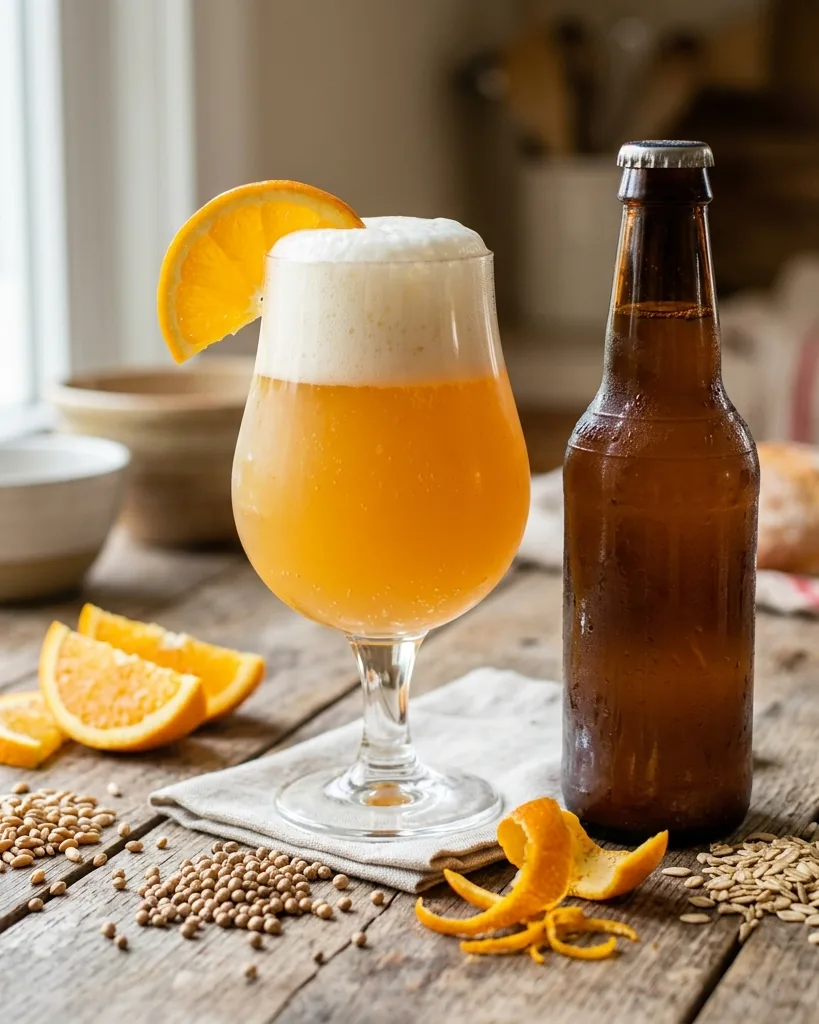
Beer calories come from two main sources, and Blue Moon is a clear example. The largest contributor is the alcohol itself: pure alcohol provides about 7 calories per gram, nearly as much as fat, and a 5.4 percent beer contains roughly 13 grams of it. The second source is carbohydrate, the residual malt sugars left after brewing, at about 4 calories per gram.
There is no fat in beer and only a small amount of protein, so almost the entire calorie count traces back to alcohol and carbs. This is why a beer cannot really be made calorie-free while keeping its alcohol, and why lower-calorie beers cut both the carbs and often the alcohol.
Comparing Blue Moon Varieties
Blue Moon is now a family of beers, and the nutrition varies quite a bit across the lineup. If you are watching calories or carbs, the variety you choose matters as much as the brand.
| Variety | Calories (12 oz) | Carbs | ABV |
|---|---|---|---|
| Belgian White | 168 | 14 g | 5.4% |
| LightSky (Citrus Wheat) | About 95 | About 3.6 g | 4.0% |
| Moon Haze (Pale Ale) | Around 150 | Varies | Around 5.4% |
LightSky is the clear choice for a lighter option, with roughly 95 calories and far fewer carbs than the original. The flagship Belgian White remains the most calorie- and carb-rich of the common varieties. Because recipes and figures change, it is always worth checking the current numbers for the specific beer in your hand.
Blue Moon and a Standard Drink
It helps to understand Blue Moon in terms of a standard drink. According to the CDC, a U.S. standard drink contains about 14 grams of pure alcohol, which equals roughly 12 ounces of beer at 5 percent alcohol.
At 5.4 percent, a 12-ounce Blue Moon is just slightly above one standard drink. That matters when you are pacing yourself or tracking intake, because a pint glass, at 16 ounces, pushes a single serving to well over one standard drink. Knowing this makes it easier to keep count and to compare a Blue Moon fairly against other drinks, such as a Twisted Tea or a spirit-based drink made with Tito’s vodka, which carry their alcohol and calories differently.
Moderation and the Dietary Guidelines
For anyone watching their overall health, the calories are only part of the picture; the alcohol matters too. The Dietary Guidelines for Americans advise that adults who choose to drink should do so in moderation, defined as up to one drink per day for women and up to two per day for men, with the clear note that less is better and that some people should not drink at all.
The CDC’s guidance on alcohol use reinforces that drinking less is better for health. Blue Moon’s nutrition numbers are useful for budgeting calories, but the moderation guidance is the more important health consideration, since the effects of alcohol go well beyond its calorie count.
Does Blue Moon Fit a Low-Carb or Keto Diet?
Not easily. At 14 grams of carbohydrate per 12 ounces, Blue Moon Belgian White is high for a strict keto or low-carb plan, where a daily carb budget might be only 20 to 50 grams. A single beer could use a large share of that allowance. On top of the carbs, alcohol itself temporarily shifts the body toward processing the alcohol first, which can pause fat burning.
If you want a beer that fits low-carb eating better, the lighter LightSky variety, with around 3.6 grams of carbohydrate, is a far closer match. Even then, the calories and alcohol still count, so portion awareness applies.
Is Blue Moon Gluten-Free?
No. Blue Moon Belgian White is a wheat ale, brewed with wheat and barley, both of which contain gluten. It is not suitable for anyone with celiac disease or a gluten sensitivity. People avoiding gluten should look instead to certified gluten-free beers, which are brewed from grains like sorghum or rice, or to beers made with gluten removed and clearly labeled as such.
How Blue Moon Compares to Other Popular Beers
Seeing Blue Moon next to other well-known beers puts its numbers in context. It sits in the middle of the pack: heavier than the light lagers, lighter than the richest stouts and double IPAs. These are approximate values per 12-ounce serving.
| Beer | Calories | Carbs | ABV |
|---|---|---|---|
| Michelob Ultra | About 95 | 2.6 g | 4.2% |
| Bud Light | About 110 | 6.6 g | 4.2% |
| Corona Extra | About 148 | 14 g | 4.6% |
| Blue Moon Belgian White | 168 | 14 g | 5.4% |
| Stella Artois | About 150 | 11 g | 5.0% |
| Guinness Draught | About 125 | 10 g | 4.2% |
One detail surprises people: Guinness, despite its dark, heavy look, is actually lower in calories than Blue Moon, because its alcohol and carbohydrate content are modest. The lesson is that color and richness on the palate do not predict calories. Alcohol and carbohydrate do, and Blue Moon’s slightly higher figures for both put it near the top of this everyday lineup.
Calories by Serving Size
The 12-ounce figure is the standard, but Blue Moon is often poured larger, and the calories scale right along with the volume. It pays to know what your actual glass holds.
| Serving | Approximate calories |
|---|---|
| 12 oz bottle or can | 168 |
| 16 oz pint | About 224 |
| 22 oz bomber | About 308 |
| Six 12 oz servings | About 1,008 |
A 16-ounce pint, the common size at many bars, carries about a third more calories than a bottle, and a few rounds add up faster than most people expect. Picturing the calories by the glass you actually drink, rather than the bottle on the label, gives you a more honest running total across an evening.
What the Numbers Mean for Weight
Beer calories count just like any others, and alcohol adds a wrinkle. Because the body prioritizes metabolizing alcohol, it temporarily slows the burning of fat, so beer calories can be especially easy to store. At 168 calories each, three Blue Moons in an evening add roughly 500 calories on top of whatever you eat, which is a meaningful share of a day’s intake.
None of this makes the occasional beer a problem, but it explains why regular drinking can quietly stall weight goals. If you are watching your weight, the simplest moves are to drink less often, choose a lighter variety, and stay aware that bar pours are usually larger than a standard serving.
Tips for Drinking Blue Moon More Mindfully
If you enjoy Blue Moon and want to keep the calories and alcohol in check, a few habits help without taking the pleasure out of it.
- Alternate with water: A glass of water between beers slows your pace and keeps you hydrated.
- Choose the right serving: A 12-ounce bottle is a cleaner unit to track than an open-ended pitcher or a large pint.
- Try the lighter variety: LightSky delivers a similar citrus-wheat character for roughly 95 calories instead of 168.
- Pace yourself: Sipping slowly means you enjoy the flavor longer while drinking less overall.
- Eat first: Drinking on a full stomach slows alcohol absorption and helps you stop at a sensible amount.
These small adjustments let you fit a favorite beer into a balanced lifestyle rather than treating it as all-or-nothing.
The Famous Orange Slice
Blue Moon is traditionally served with an orange slice, a garnish that complements the beer’s orange-peel and coriander brewing notes. Nutritionally, the garnish adds almost nothing: a thin orange wheel contributes only a few calories and a trace of vitamin C, so it does not change the numbers in any meaningful way. It is there for aroma and presentation rather than nutrition, and you can skip it or keep it without affecting your calorie count.
How Beer Nutrition Labeling Works
You may notice that many beer cans do not carry the familiar Nutrition Facts panel you see on packaged foods. That is because alcoholic beverages like beer are regulated by the Alcohol and Tobacco Tax and Trade Bureau, known as the TTB, rather than by the FDA, and a full nutrition panel is not always required. Some brands voluntarily print calories and macros, and many publish the figures online, which is where the numbers in this guide come from. When a label is missing the details, checking the brand’s official information or a reputable nutrition database gives you the most accurate values for the exact product.
Frequently Asked Questions
How many calories are in a Blue Moon?
A 12-ounce Blue Moon Belgian White has 168 calories. A 16-ounce pint has more, around 224 calories, since the count scales with the serving size. The lighter LightSky variety has about 95 calories per 12 ounces, making it the lower-calorie option in the Blue Moon family.
How many carbs are in Blue Moon?
Blue Moon Belgian White contains about 14 grams of carbohydrate per 12-ounce serving. That is on the higher side for beer and comes from residual malt sugars rather than added sugar. The LightSky variety is much lower, with roughly 3.6 grams of carbohydrate per serving.
What is the ABV of Blue Moon?
Blue Moon Belgian White has an alcohol by volume of 5.4 percent, slightly above the 5 percent that defines a U.S. standard drink. That means one 12-ounce serving is just over a single standard drink, which is useful to know when pacing yourself or counting drinks.
Is Blue Moon keto-friendly?
Not really. With 14 grams of carbohydrate per 12 ounces, the flagship Belgian White is high for a strict keto diet, and alcohol can pause fat burning. The lighter LightSky variety at about 3.6 grams of carbohydrate is a much better fit if you want a beer on a low-carb plan, in moderation.
Why does Blue Moon have more calories than light beer?
Blue Moon Belgian White is a full-bodied wheat ale with more residual carbohydrate and a slightly higher alcohol content than a typical light lager, and both alcohol and carbs add calories. Light beers are brewed to cut carbs and often alcohol, which is how they reach calorie counts closer to 100 per serving.
Does Blue Moon have sugar?
Blue Moon’s 14 grams of carbohydrate come mainly from residual malt sugars left after fermentation rather than added sugar, and the amount of simple sugar is low. Beer is not a significant source of added sugar, but the carbohydrate still contributes calories, which is the figure to watch if you are tracking your intake.
How much alcohol is in a Blue Moon?
At 5.4 percent alcohol by volume, a 12-ounce Blue Moon contains roughly 13 grams of pure alcohol, which is slightly more than the 14 grams that defines a U.S. standard drink. That alcohol is also the single largest source of the beer’s calories, since pure alcohol provides about 7 calories per gram.
Is Blue Moon fattening?
No single beer is fattening on its own, but Blue Moon’s 168 calories per 12 ounces add up with multiple servings, and alcohol temporarily slows the body’s fat burning. Three in an evening contribute roughly 500 calories on top of your meals. Enjoyed occasionally and in moderation it fits most diets, while frequent drinking can make weight management harder.
A Closer Look at the Alcohol Content
The alcohol in Blue Moon deserves attention beyond its calories, because it is the part of the beer with the biggest effect on your body. A 12-ounce serving at 5.4 percent holds about 13 grams of pure alcohol, just shy of a standard drink. That is enough that a single beer registers, and two or three in a sitting move a typical adult past the point where reaction time and judgment are affected.
Pacing, food, body size, and individual tolerance all change how alcohol affects a person, which is why the moderation guidance focuses on the number of drinks rather than calories. If you are driving, pregnant, taking certain medications, or managing a health condition, the right amount may be none, and that decision is worth making before the first pour rather than during the evening.
Lower-Alcohol and Lighter Choices
If you love the citrus-wheat character of Blue Moon but want fewer calories or less alcohol, you have options within and beyond the brand. The LightSky variety keeps a similar profile at about 95 calories and 4.0 percent alcohol, a meaningful step down from the flagship. Across the wider beer aisle, session ales and light lagers offer lower alcohol and calories, and the growing range of non-alcoholic beers removes the alcohol almost entirely, cutting both the calories tied to it and the intoxicating effect. Choosing one of these for some of your servings is an easy way to enjoy the ritual of a beer while trimming the totals.
The Bottom Line
Blue Moon nutritional content is easy to sum up: a 12-ounce Belgian White carries 168 calories, 14 grams of carbohydrate, 1.9 grams of protein, no fat, and 5.4 percent alcohol, which puts it a notch above light beers and just over a single standard drink. Most of those calories come from the alcohol and the malt carbohydrate, the lighter LightSky variety cuts both roughly in half, and the beer is neither keto-friendly nor gluten-free. As with any alcohol, the calorie math is useful but the moderation guidance matters more, so enjoy it responsibly, mind your serving size, and balance it within an otherwise healthy diet. Keep the larger pour sizes in mind when you are out, alternate with water, and remember that the lighter and non-alcoholic options exist for the nights you want the flavor with fewer of the totals attached.