A number on a California Pizza Kitchen chart almost never describes a whole pizza. Each regular-pizza figure is stated per slice, and a regular pizza is cut into six slices, so the calorie count beside the Original BBQ Chicken Pizza accounts for one-sixth of what reaches the table. That detail reorders how most people read CPK nutrition facts: the slice is the serving, the pie is six of them, and a listed value is not a plate total unless the item is a single plated dish.
The Tastybend Nutrition Desk aggregates these figures from manufacturer declarations, official menus, and public food databases, then structures them into reference tables. Below, each number carries the source that reports it, and where sources disagree, both figures stay on the page.
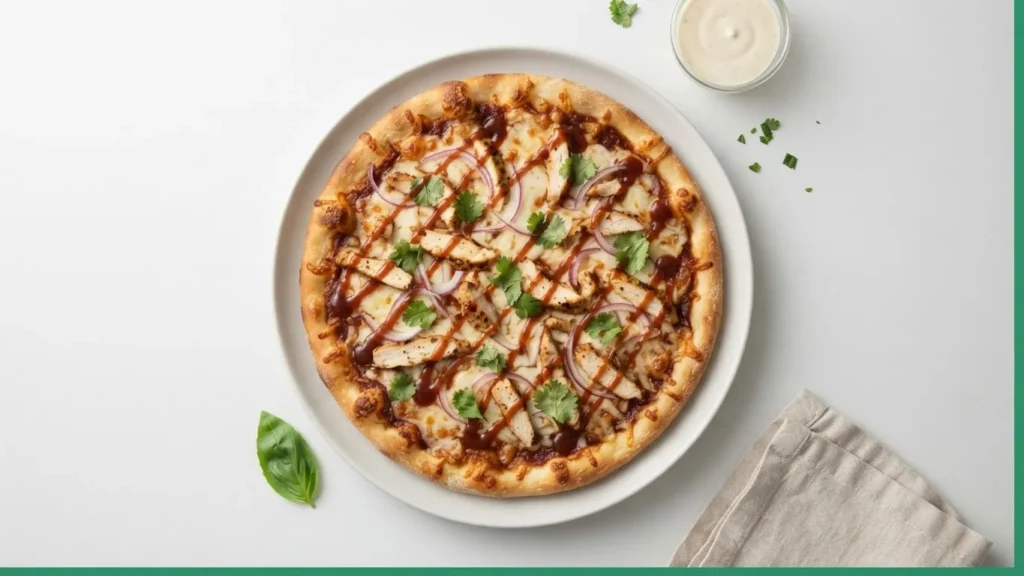
CPK nutrition facts for regular pizzas are published per slice, with six slices to a pizza, so a listed calorie figure covers one slice rather than the entire pie. One slice of the Original BBQ Chicken Pizza carries 190 calories, 11 g protein, 25 g carbohydrate, 3 g sugar, 5 g fat, 2.5 g saturated fat, and 1 g fiber. Sodium is where the records split: one slice is reported at either 480 mg or 270 mg depending on the database. The chart figures describe a standard preparation, which means a customized order can land somewhere other than the printed numbers.
The Original BBQ Chicken Pizza: 190 Calories a Slice, Six Slices a Pizza
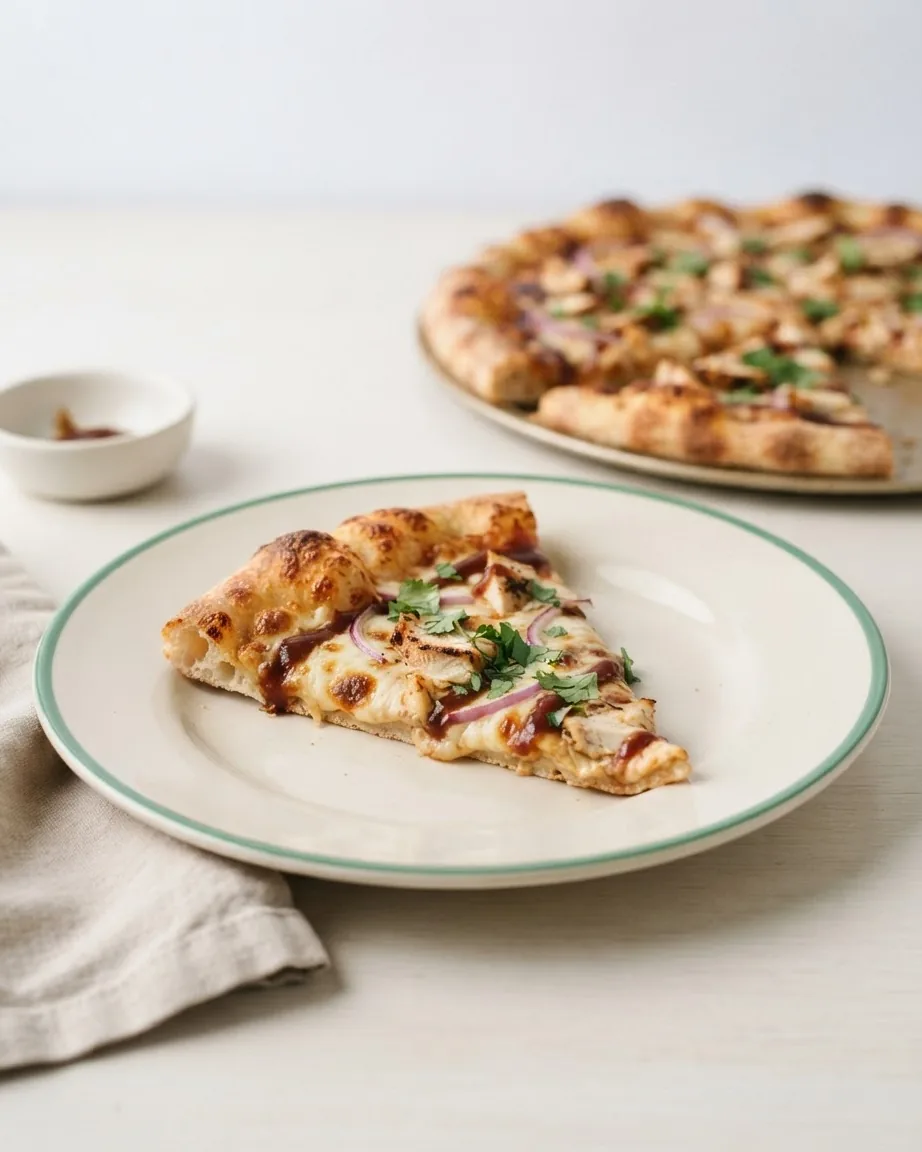
One slice of the Original BBQ Chicken Pizza is listed at 190 calories, with 11 g protein, 25 g carbohydrate, 3 g sugar, 5 g fat, 2.5 g saturated fat, and 1 g fiber, according to a 2026 reference published by Nutrola. That 190-calorie slice works out to roughly 10% of a 2,000 calorie day on the same reference. An independent CPK nutrition page at FastFoodNutrition.org, updated in 2021, lands on the same per-slice calorie and macro profile.
The six-slice structure matters for anyone adding up a meal. A per-slice 190-calorie figure is a single serving; two slices doubles every line above, and the chart does not publish a combined whole-pizza total. That is the error the per-slice layout invites, and it is the one worth catching before you order.
| Original BBQ Chicken Pizza | Per slice (1 of 6) |
|---|---|
| Calories | 190 |
| Protein | 11 g |
| Carbohydrate | 25 g |
| Sugar | 3 g |
| Total fat | 5 g |
| Saturated fat | 2.5 g |
| Fiber | 1 g |
| Sodium | 480 mg (see source conflict below) |
The pizza is one entry in CPK’s lineup, itself one brand among many in the fast food menus the desk logs.
The Sodium Figure That Won’t Settle: 480 mg vs 270 mg per Slice
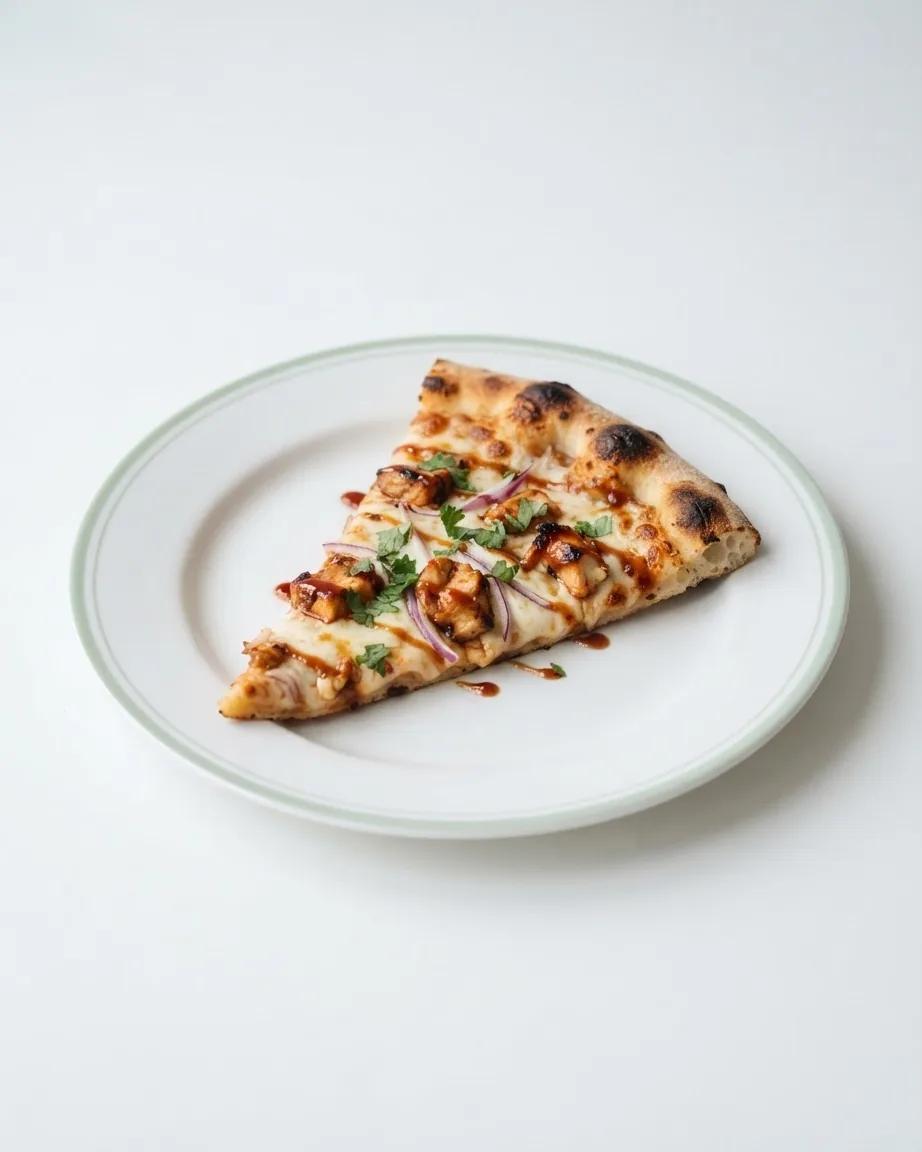
Sodium is the one line where the CPK records openly disagree. Nutrola’s 2026 page and the 2021 FastFoodNutrition.org page both report 480 mg of sodium for one slice of the Original BBQ Chicken Pizza. A separate record at FatSecret reports 270 mg while still showing the same 190-calorie serving. Those are not two ways of saying the same thing; they are a material conflict on a single nutrient.
Two CPK-tied references point to 480 mg and one outlier points to 270 mg. The desk does not merge them into an average, because averaging a disputed value hides the dispute. For planning, the higher figure is the more cautious one to work from, with the caveat that CPK’s own menu data can shift with recipe and preparation changes.
Context for either figure comes from federal labeling rules rather than the pizza chart. The U.S. Food and Drug Administration sets the Daily Value for sodium at less than 2,300 mg per day and advises choosing foods that keep a day under 100% DV, which is that same 2,300 mg, per the agency’s sodium guidance. On that page the FDA’s general label rule treats 5% Daily Value or less of sodium per serving as low and 20% Daily Value or more as high. Americans eat on average about 3,400 mg of sodium per day, well above the 2,300 mg cap, which is why the per-slice number is worth pinning down before a second slice goes on the plate.
For another chain’s sodium reading, see also our Schlotzsky’s nutrition guide.
Chicken Tequila Fettuccine Against Its Zucchini Cut

Among CPK’s pasta plates, the Chicken Tequila Fettuccine and its zucchini variant make a clean one-serving comparison, and the word “zucchini” does less work than it looks. The regular Chicken Tequila Fettuccine is listed at 1,240 calories per serving, with 68 g fat, 116 g carbohydrate, and 45 g protein, according to FatSecret. The Chicken Tequila Zucchini Fettuccine is listed at 820 calories per serving, with 61 g fat, 39 g carbohydrate, and 33 g protein.
The swap trims calories, but not where a “lighter” label implies. Fat barely moves, from 68 g down to 61 g. The calorie gap sits almost entirely in the carbohydrate line, which drops from 116 g to 39 g as spiralized zucchini replaces wheat pasta. So the zucchini version is a carbohydrate cut, not a fat cut, and at 820 calories it is still a large single serving. Anyone choosing it as a protein-forward plate should note protein also falls, from 45 g to 33 g.
Both of these are plated entrées, so the listed figure is one full serving, unlike the per-slice pizza numbers above. That difference in serving unit is the thing to keep straight when a pizza line and a pasta line sit next to each other on the same chart.
What “Cauliflower Crust” Actually Contains
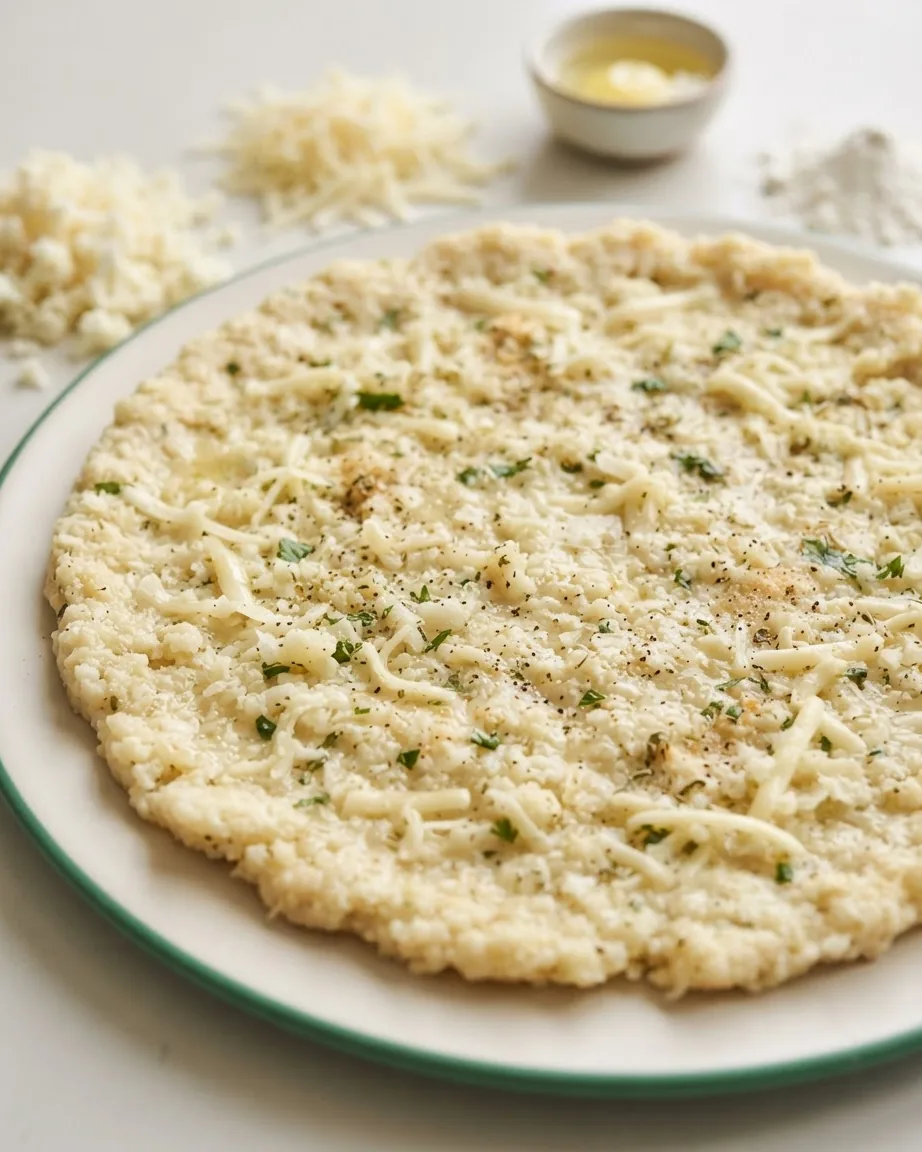
The cauliflower crust reads like a vegetable swap, and it is more than that. CPK’s cauliflower crust is a blend built from cauliflower, mozzarella cheese, egg whites, rice flour, herbs, and spices. It is not pure cauliflower, and that composition carries three practical consequences.
- The rice flour means it is not grain-free, so it is not a direct stand-in for a low-carbohydrate base on its own.
- The mozzarella means it is not dairy-free, which rules it out for anyone avoiding dairy.
- The egg whites add a common allergen that a plain vegetable crust would not carry.
None of this makes the crust a poor choice; it makes it a different product from the mental picture of “just cauliflower.” Treating the name as a nutrition claim is the mistake, and the ingredient blend is the correction.
Where CPK Nutrition Facts Stop Matching Your Order
Every figure above describes a standard preparation of the item. Published CPK nutrition facts are modeled on the default build, so extra cheese, a crust change, a substituted protein, or a dropped sauce can move the numbers off the chart. Rounding, supplier variation, and periodic recipe revisions can shift a stated value as well, and a brand can change a recipe without announcing it, so a chart is a snapshot of the standard order rather than a guarantee for a customized one.
The 2,000-calorie figure printed across menus is a reference, not a personal target. The FDA says 2,000 calories per day “can be used as a general guide”, while individual needs vary with age, sex, and physical activity. That same page illustrates how small daily gaps compound: a modest surplus run daily adds up to roughly 10 extra pounds over 5 years. Reading a per-slice number as a whole-pizza number is exactly the kind of quiet miscount that accumulates, which is why the serving unit on each CPK line is worth confirming first.
Portion-split traps show up across packaged food too, as in our Reese’s Peanut Butter Cups guide.
A Heavier Plate for Scale: Cedar Plank Salmon
To size the pizza and pasta lines against a protein-led entrée, the Cedar Plank Salmon gives a useful anchor. CPK’s Cedar Plank Salmon is listed at 650 calories, with 34 g fat, 8 g saturated fat, 35 g carbohydrate, 52 g protein, and 640 mg sodium, per Verywell Fit. At 52 g protein in one serving, it carries more protein than nearly five slices of the 11 g-protein BBQ Chicken Pizza, and it does so at 650 calories against the 1,240 calories of the regular Chicken Tequila Fettuccine.
Sodium tells the opposite story. At 640 mg, one salmon serving sits well above a single 480-mg pizza slice, a reminder that an entrée’s single-serving sodium can outrun a slice-based item precisely because it is a whole plate rather than one-sixth of one. The lesson across these items is the serving unit: a slice, a plate, and a pasta bowl are not interchangeable rows, and reading each CPK figure for what unit it describes is what keeps the comparison honest.
The Whole-Pizza Numbers the Chart Never Prints (Per-Slice × 6)
CPK publishes the Original BBQ Chicken Pizza per slice and cuts a regular pizza into six slices, but it never prints the whole-pie total. Multiply each listed per-slice value by six and the full pizza looks like this:
| Original BBQ Chicken Pizza | Per slice (chart) | Whole pizza (×6) |
|---|---|---|
| Calories | 190 | 1,140 kcal |
| Protein | 11 g | 66 g |
| Carbohydrate | 25 g | 150 g |
| Sugar | 3 g | 18 g |
| Total fat | 5 g | 30 g |
| Saturated fat | 2.5 g | 15 g |
| Fiber | 1 g | 6 g |
| Sodium (480 mg reading) | 480 mg | 2,880 mg |
| Sodium (270 mg reading) | 270 mg | 1,620 mg |
The sodium line is where the whole-pie math changes a decision. On the 480 mg per-slice reading that two CPK-attributed sources report, a whole pizza totals 2,880 mg of sodium – 580 mg past the FDA’s Daily Value of 2,300 mg, so one pie alone clears a full day’s cap. On the lower 270 mg reading, the whole pizza lands at 1,620 mg, still under that same 2,300 mg line. Either way, nothing here needs CPK to publish a pizza total: it is just the per-slice chart figures taken times six.
- A customized order (extra cheese, crust swap, dropped sauce) moves these totals off the chart, since every input here is the standard-preparation figure.
Frequently Asked Questions
Is CPK’s cauliflower crust gluten-free or low-carb?
The blend lists rice flour alongside cauliflower, mozzarella, egg whites, herbs, and spices, so it is grain-inclusive rather than a carbohydrate-free base. Anyone avoiding dairy should also account for the mozzarella built into it, and anyone with an egg sensitivity should note the egg whites. The name signals a vegetable element, not a free pass on carbohydrate, dairy, or allergens.
How many calories are in a whole Original BBQ Chicken Pizza?
The chart does not print a whole-pie total. It publishes one slice at 190 calories, and the pizza arrives cut into six of them, so a full-pizza figure is something a diner assembles from the per-slice line rather than a number the panel states. If several people share, count only the slices each person eats, not the whole pizza’s implied sum.
Should I trust 480 mg or 270 mg for the BBQ Chicken slice’s sodium?
Two CPK-linked records converge on 480 mg while one database lists 270 mg, both at the same 190-calorie serving. When a day’s sodium ceiling is a hard 2,300 mg and average intake already runs near 3,400 mg, the safer move is to plan around the higher of the two and recheck the live menu, since the figures genuinely conflict rather than round to each other.
Does the Chicken Tequila Zucchini Fettuccine really have less fat?
Only marginally. Fat reads 61 g on the zucchini plate versus 68 g on the regular one, a small step. The real reduction is in carbohydrate, which falls from 116 g to 39 g, and that shift is what pulls the serving from 1,240 calories down to 820. Protein also eases, from 45 g to 33 g, so it is a carbohydrate cut above all.