A Medium Original sandwich carries 2,140 mg of sodium, roughly 93% of a full day’s 2,300 mg reference, before a drink, a side, or a chip bag enters the tray. That single figure reframes most of the menu, because Schlotzsky’s nutrition turns less on calories than on how much salt rides inside the toasted bun. The calorie counts spread from a 520-calorie Fresh Veggie to a 910-calorie Double Cheese Pizza, but the sodium column is where the numbers stop being casual. These reference rows are assembled from the figures published by Schlotzsky’s Franchisor SPV LLC and transcribed by TSM Guide, formatted here into standardized tables.
Quick answer: Schlotzsky’s nutrition varies sharply by item. A Medium Original logs 750 calories and 2,140 mg of sodium. A Medium Fresh Veggie runs lighter at 520 calories and 810 mg of sodium. The Double Cheese Pizza reaches 910 calories and 1,840 mg of sodium. On the chart’s side cups, a 6 oz Mac & Cheese carries 140 calories and the 8 oz carries 250. Sodium is the line to watch: several items land near or above 80% of the 2,300 mg daily reference on their own, and pairing two salted items can push a single meal past that reference entirely.
What a Medium Original costs you in sodium
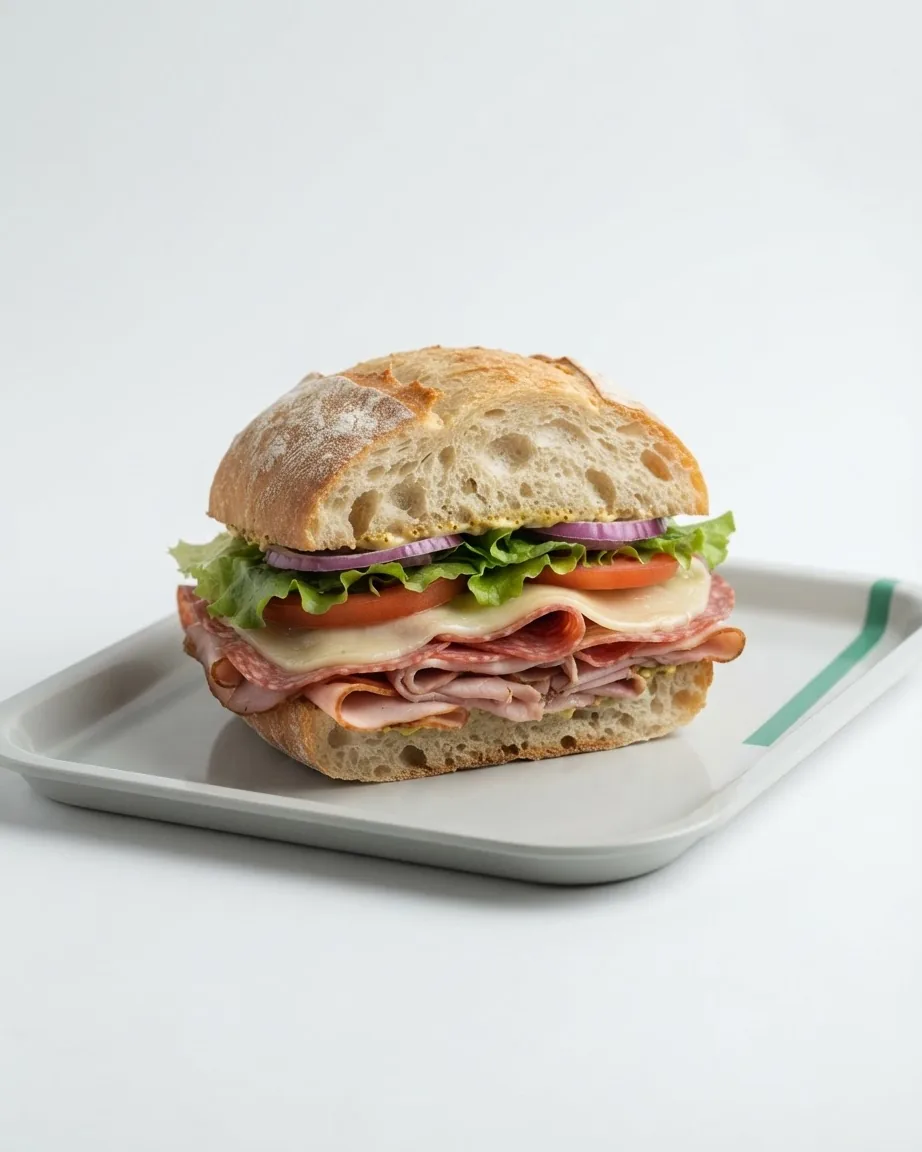
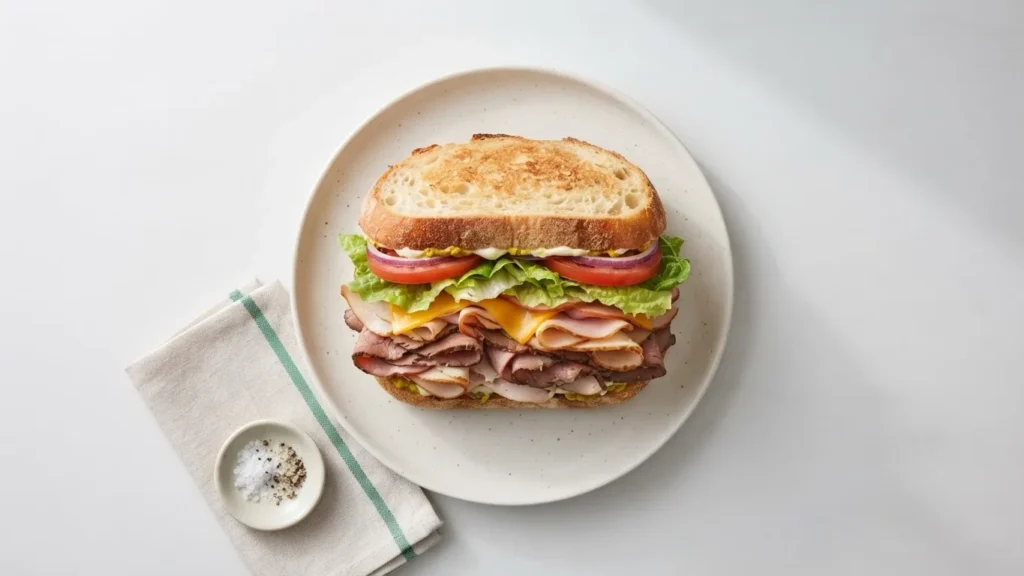
The Medium Original is the sodium ceiling among the common sandwiches. TSM Guide lists it at 750 calories and 2,140 mg of sodium, drawn from the official chart. Against a 2,300 mg daily reference, that is about 93% of the day’s sodium spent on one sandwich.
Density tells the same story from another direction. The Original carries roughly 3 mg of sodium for every calorie it delivers, the steepest ratio among the items here. Calories alone would not flag it; a 750-calorie lunch is unremarkable. The sodium is what makes it a decision rather than a default, especially for anyone tracking blood pressure or building the day’s other meals around it.
Fresh Veggie and Double Cheese Pizza: the lighter end and the heaviest
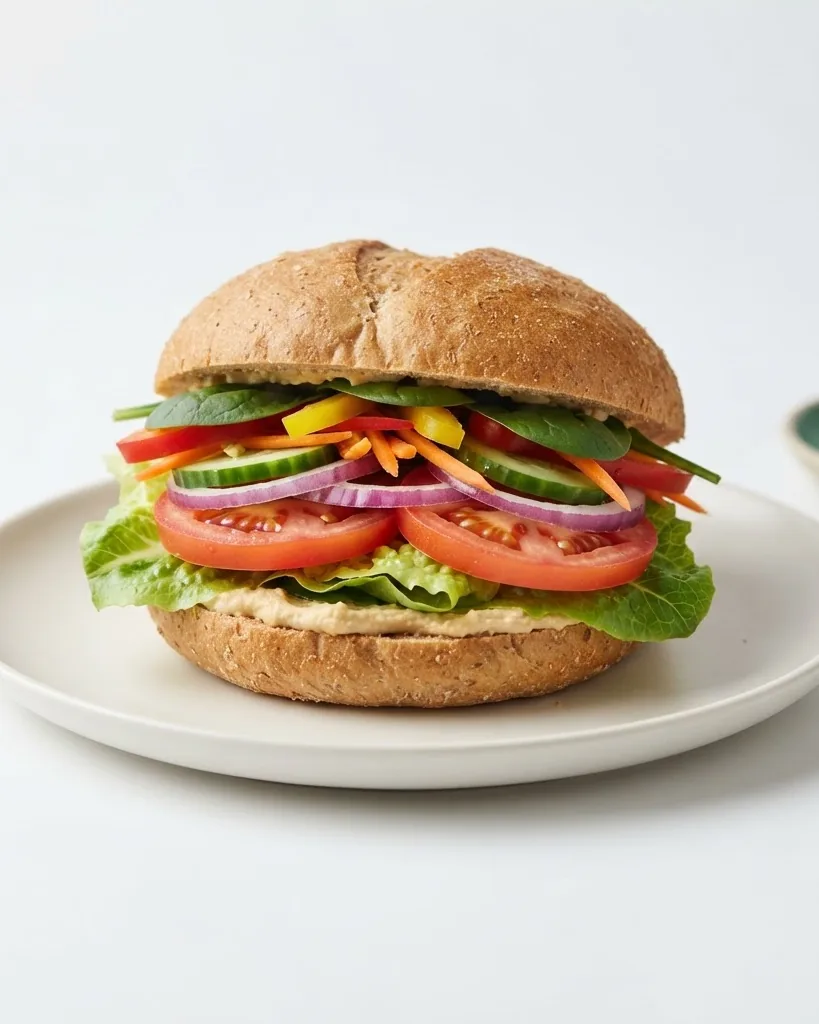
The Medium Fresh Veggie is the counterweight. TSM Guide records it at 520 calories and 810 mg of sodium, which works out to about 35% of the 2,300 mg reference and roughly 2 mg of sodium per calorie. It is the one common item on this short list that leaves real room in the day’s sodium budget.
The Double Cheese Pizza owns the calorie top. At 910 calories and 1,840 mg of sodium per TSM Guide, it reads as about 80% of the 2,300 mg reference, also near 2 mg of sodium per calorie. So the pizza wins on calories while the Original still wins on salt – a split worth noticing, because the highest-calorie item is not the highest-sodium one.
| Item | Calories | Sodium | Share of 2,300 mg reference | Sodium per calorie |
|---|---|---|---|---|
| Medium Original | 750 | 2,140 mg | 93% | 3 mg |
| Double Cheese Pizza | 910 | 1,840 mg | 80% | 2 mg |
| Medium Fresh Veggie | 520 | 810 mg | 35% | 2 mg |
One honest limit on this table: the data here carries calories and sodium for the sandwich and pizza items, not their fat, carbohydrate, fiber, sugar, or protein. For the complete macro breakdown by line, the chart’s side cups are where the numbers run deep.
Mac & Cheese: the only item here with a full macro line
Among these items, the Mac & Cheese cups are the ones published with every panel line filled in. The small comes in a 6 oz cup, the large in an 8 oz cup, and the jump between them is close to proportional on most lines but not all. Sodium climbs faster than calories: 680 mg in the small against 1,310 mg in the large, while calories move from 140 to 250. These figures come from the chart published by Schlotzsky’s Franchisor SPV LLC.
| Panel line | Small, 6 oz cup | Large, 8 oz cup |
|---|---|---|
| Calories | 140 | 250 |
| Calories from fat | 90 | 160 |
| Total fat | 10 g | 18 g |
| Saturated fat | 6 g | 10 g |
| Trans fat | 0 g | 0 g |
| Cholesterol | 30 mg | 50 mg |
| Sodium | 680 mg | 1,310 mg |
| Total carbohydrate | 5 g | 11 g |
| Dietary fiber | 0 g | 0 g |
| Sugars | 3 g | 5 g |
| Protein | 7 g | 13 g |
| Allergens | Egg, Milk, Soy, Wheat | Egg, Milk, Soy, Wheat |
Two lines deserve a second look. Protein rises from 7 g to 13 g between sizes, so the large nearly doubles its protein return. Saturated fat moves from 6 g to 10 g; the full macro grid for both cups sits on the chart hosted by Schlotzsky’s Franchisor SPV LLC. The allergen note is flat across both: each cup contains Egg, Milk, Soy, and Wheat.
The practical read: a large Mac & Cheese added to an Original stacks 1,310 mg onto 2,140 mg of sodium in one order.
Reading Schlotzsky’s nutrition against the FDA’s 2,300 mg reference
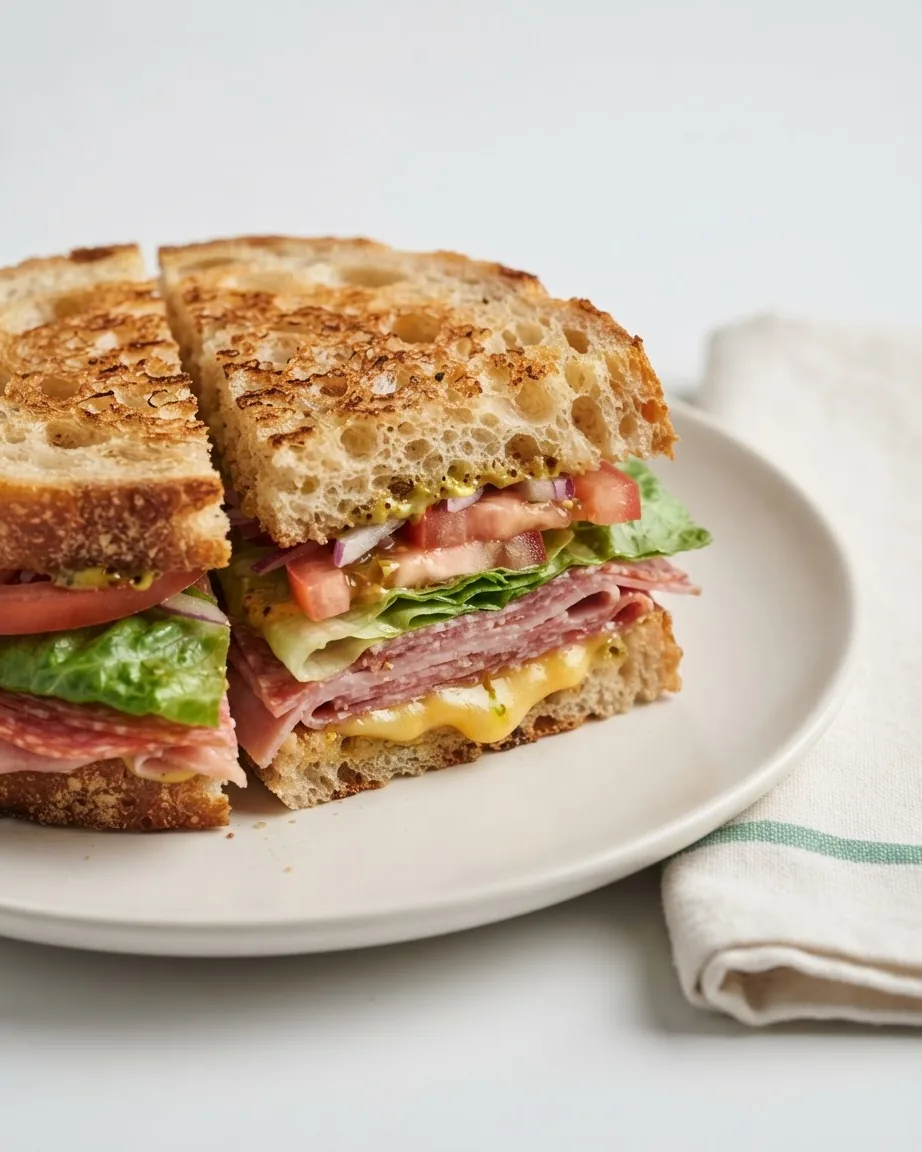
The sodium figures only mean something next to a yardstick, and the yardstick is the U.S. Food and Drug Administration’s Daily Value. The FDA sets the sodium Daily Value at 2,300mg, which is why a 2,140 mg sandwich reads as almost the whole day in one hand.
The percent Daily Value puts grams, milligrams, and micrograms on one shared 0-to-100%DV scale for the day, so different nutrients can be compared at a glance. The FDA’s guidance on reading that scale is blunt on the low end: “5% DV or less of a nutrient per serving is considered low”. At the other end, 20% DV or more per serving counts as high. By that rule, none of the sandwich or pizza sodium figures here is anywhere near the 5% low band.
The agency’s broader advice is to keep the running daily total for nutrients to limit – sodium among them – under 100%DV, and to favor foods lower in saturated fat, sodium, and added sugars. For comparison on the fat side, the Daily Value for saturated fat is 20g, which frames the large Mac & Cheese cup’s 10 g of saturated fat as a meaningful slice of the day on its own. The FDA also notes that a serving size printed on a label describes how the numbers were measured, not how much a person ought to eat.
Why the national chart isn’t your actual order
The published figures describe a standard recipe. What arrives at a counter can drift from that for several reasons at once: local preparation, seasonal availability, supplier changes, in-store substitutions, and periodic recipe updates. A number read off the national chart is the baseline, not a guarantee for one specific tray.
Availability shifts too. Not every item on the national chart is sold at every restaurant, and local or seasonal menu items may be missing entirely, so the row you looked up may not exist at the location you walked into.
Allergen warning
Allergens carry a sharper caveat. The kitchens are shared, so cross-contact is possible and no item is guaranteed allergen-free. For the same reason, no menu item is certified gluten-free. Anyone managing a severe allergy or celiac disease should treat the allergen column as a starting flag rather than a clearance.
There is also a dating wrinkle worth carrying rather than hiding. The brand’s chart describes itself as current as of January 2026, while the secondary transcription of the sandwich and pizza figures describes its numbers as current from a July 2026 audit. Both references for those item figures trace back to the same published chart, so their agreement reflects a shared source, not two independent measurements. The Mac & Cheese macro lines, by contrast, come from the primary brand chart directly. This item sits inside our wider fast food coverage. See also our boba nutrition facts and ice cream nutrition facts guides.
Le combo Original + Mac & Cheese, chiffré jusqu’au bout
L’article dit que l’Original et un grand Mac & Cheese « empilent » leur sodium, mais ne pousse pas l’addition. La voici. Un seul plateau Original + grand Mac & Cheese 8 oz totalise 3 450 mg de sodium (2 140 + 1 310) – soit 150 % de la référence 2 300 mg, et 1 150 mg au-dessus de la journée entière, avant la moindre boisson ou le moindre sachet de chips.
Le choix de taille du cup pèse lourd. En prenant le petit cup 6 oz (680 mg) à la place du grand, le plateau tombe à 2 820 mg: tu économises 630 mg de sodium sur un seul geste.
- Plateau Original + grand cup: 2 140 + 1 310 = 3 450 mg → 150 % de 2 300 mg
- Plateau Original + petit cup: 2 140 + 680 = 2 820 mg
- Écart entre les deux cups: 1 310 − 680 = 630 mg de sodium
Autre chose que les tableaux bruts cachent: le Mac & Cheese devient proportionnellement plus salé en grandissant. Le petit cup présente 4,9 mg de sodium par calorie (680 / 140), le grand monte à 5,2 mg/cal (1 310 / 250). En multiplicateurs petit→grand: le sodium fait ×1,9 (1 310 / 680) quand les calories ne font que ×1,8 (250 / 140). La bonne nouvelle au passage: les protéines suivent le sodium, ×1,9 aussi (13 / 7 g), donc le grand cup n’est pas que du sel.
Lecture pratique: si tu tiens à l’Original, c’est le cup – pas le sandwich – qui décide si ton plateau reste sous la référence journalière ou la double.
Frequently asked questions
Does Schlotzsky’s offer certified gluten-free or allergen-free items?
No. Because the kitchens are shared, cross-contact can occur and no single menu item is guaranteed free of any allergen. For the same reason, nothing on the menu is certified gluten-free. The published allergen column, such as the Egg, Milk, Soy, and Wheat flags on both Mac & Cheese cups, signals likely contact rather than confirming a safe choice for a medical diet.
Which Mac & Cheese size adds less salt to a sandwich order?
The small 6 oz cup, at 680 mg of sodium, is the lighter add. The large 8 oz cup brings 1,310 mg. Dropped next to a Medium Original’s 2,140 mg, the large pushes one meal well past a full day’s 2,300 mg sodium reference, while the small keeps more of the budget intact for later.
Why might the calories at my local restaurant differ from these figures?
The chart reflects a standard recipe. Day-to-day prep, seasonal supply, individual suppliers, counter substitutions, and recipe updates can each shift a result. Portions are not weighed to the gram at every location. Treat the published count as the documented baseline, and expect a plate to land somewhere near it rather than exactly on it.
What does the FDA’s 20% threshold mean for these items?
Per serving, 20% DV or more of a nutrient is considered high, and 5% or less is low. On sodium, the Medium Original’s 2,140 mg sits far past the high mark against the 2,300 mg reference. The guidance is to let the day’s total stay under 100%DV, which a single heavy item can nearly exhaust before anything else is eaten.