Regular tonic water carries about as much sugar as a soft drink, not a splash of flavored fizz. On a Schweppes label, one 12 fl oz serving reports 33 g of total sugars – 33 g of that added – which puts it in soda territory, not water territory. That single figure reframes every calorie and carbohydrate number below. This desk aggregates the tonic water nutrition facts from the manufacturer’s own declaration, the U.S. Department of Agriculture reference record, and the secondary nutrition databases that restate it, then lines them up so the differences are visible rather than averaged away.
The Standalone Answer: Calories, Sugar, and Sodium Per Serving
A 12 fl oz serving of regular tonic water runs roughly 114 to 130 calories with 32 to 33 g of sugar, depending on which source you read. The manufacturer’s Schweppes panel lists 130 calories, 33 g sugar (all added), and 55 mg sodium. Generic USDA data is reported on a per-100-gram basis, which the secondary databases then scale up to a serving. There is no protein, no fat, and no fiber in tonic water. Diet tonic drops to 0 calories and 0 sugar but climbs to 105 mg sodium. Quinine is present, capped at 83 ppm, far below any medicinal dose.
Why USDA, Verywell, GoodRx, and Schweppes Give Different Numbers

Read four sources and you get four calorie figures. That is not an error; each measures against a different base or population, and this desk keeps them separate rather than forcing one average.
The U.S. Department of Agriculture publishes its FoodData Central reference for generic tonic water on a per-100-gram basis. That is the raw laboratory record, not a can.
Verywell Fit takes the USDA value and scales it to a 12-ounce (366 g) serving, reporting 114 calories with 40 mg sodium. GoodRx Health, in its dietitian-written and physician-reviewed overview, lists tonic water per 12 fl oz as 125 kcal, 32 g carbohydrate, 32 g sugar, and 45 mg sodium. Keurig Dr Pepper’s Schweppes panel – a specific branded product, not a generic average – reports 130 calories, 33 g sugar, and 55 mg sodium for the same 12 fl oz.
So which do you trust? Match the source to the question. For the exact drink in your glass, use the brand panel. For a generic estimate across all tonic, use the USDA-derived figure. The gap between 114 and 130 calories comes from generic-versus-branded formulation and serving-base differences, not from anyone being wrong. One more wrinkle worth flagging: Verywell’s own page carries two sugar figures internally (a 30 g label value against 32 g per serving in the text), an inconsistency this desk notes rather than resolves.
Tonic Water Nutrition Facts Compared Across Sources (Regular, 12 fl oz Unless Noted)
| Item | Value |
|---|---|
| USDA FoodData Central (per 100 g) | 0 g protein, 0 g fat, 0 g fiber |
| Verywell Fit (per 12 oz / 366 g, from USDA) | 114 calories, 40 mg sodium |
| GoodRx Health (per 12 fl oz) | 125 kcal, 32 g carbohydrate, 32 g sugar, 45 mg sodium |
| Schweppes brand panel (per 12 fl oz) | 130 calories, 33 g sugar (33 g added), 55 mg sodium |
The Full Can Versus One Serving
Brand panels already report the 12 fl oz serving as one pour, so for a standard 12-ounce can, the serving and the container match: 130 calories and 33 g sugar on the Schweppes record. The 10 fl oz size is worth a separate look. Keurig Dr Pepper’s Schweppes Tonic Water 10 fl oz product facts list 27 g added sugars at 55 percent of the daily value, and the first sweetening ingredient is high fructose corn syrup. If you drink from a larger bottle, the whole container multiplies these numbers – two 12 fl oz servings mean roughly 66 g of sugar, which crosses most daily added-sugar guidance in a single mixer.
How Much Quinine Is in Tonic Water Versus a Real Dose
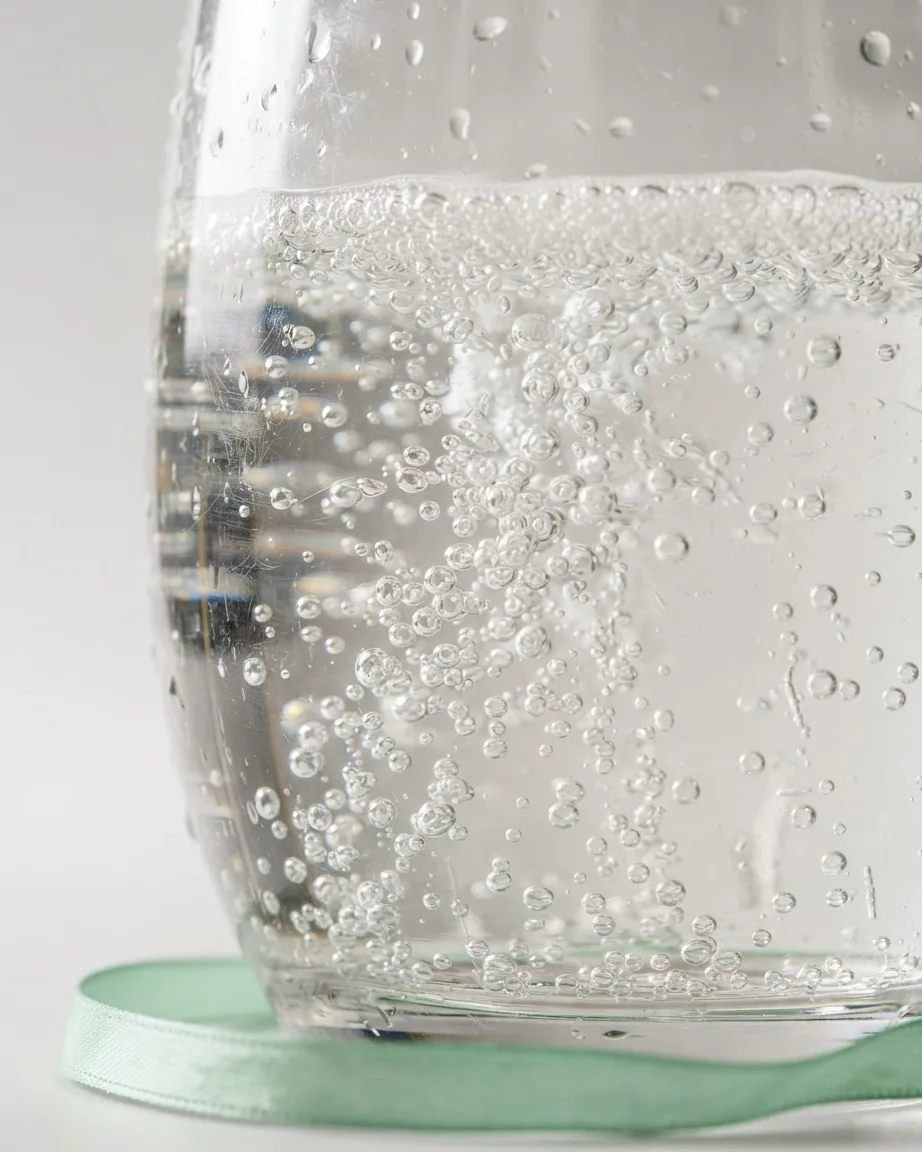
Quinine is the compound that gives tonic its bitter edge, and it is present in far smaller amounts than its medicinal use requires. In the United States, the U.S. Food and Drug Administration limits quinine in tonic water to 83 parts per million – 83 mg per liter. GoodRx Health states the same cap, and Wikipedia’s tonic water entry records it as well.
Set that against a medicinal amount. Wikipedia gives two framings, and they differ, so both stay on the record. A second, for malaria prevention specifically, cites 10 mg per kg of body mass every eight hours – 2,100 mg daily for a 70-kilogram (150 lb) adult. Either way, the entire legal ceiling for a liter of tonic is a fraction of one therapeutic dose. You would have to drink liters to approach a medicinal quantity, which is why tonic is a flavoring, not a treatment.
The European limit is cited as 100 mg/L. This desk notes that the source line reads as truncated (“which is 0.”), so the exact European figure beyond 100 mg/L is left as-is rather than repaired or guessed.
Off-Label Quinine, Leg Cramps, and Who Should Be Careful
Allergen warning
Because quinine relaxes muscle, some people reach for tonic water hoping to ease nighttime leg cramps. The dose in tonic is nowhere near a therapeutic amount, and prescription quinine carries its own risks – the U.S. Food and Drug Administration has warned against using quinine for leg cramps, and Medical News Today’s consumer overview covers the safety questions around quinine sensitivity. Reactions can include allergic and dermatologic effects in sensitive people.
Groups with reason to limit or avoid tonic water include anyone with a known quinine sensitivity, people who are pregnant, those taking medications that interact with quinine, and people managing certain heart rhythm conditions. This desk aggregates label and database data and does not give medical advice; anyone weighing quinine for a health reason should raise it with a clinician rather than a beverage panel.
Diet Tonic Water: Zero Sugar, But Double the Sodium
Diet tonic looks like a clean swap until you check the sodium row. Keurig Dr Pepper’s Schweppes Diet Tonic Water panel lists 0 calories and 0 total sugars per 12 fl oz – but 105 mg sodium, against 55 mg for the regular version. Same brand, same serving, same unit: the zero-sugar formula carries nearly twice the sodium.
That tradeoff comes from the sweetener system. Diet tonic uses sodium saccharin in place of sugar, and the sodium travels with it. So the decision is not automatically “diet wins.” If you are budgeting sugar and calories, diet tonic zeroes both out. If you are watching sodium – for blood pressure or fluid reasons – the regular formula’s 55 mg is actually the lower number. Neither is universally better; it depends on which line matters for you.
Light and Premium Tonic as a Middle Path
Between full-sugar and zero-sugar sits a category most nutrition roundups skip: light or premium tonic that cuts sugar without switching to a non-nutritive sweetener. The manufacturer StrangeLove reports its Light tonic at 2.9 g sugar per 100 ml, against mass-produced commercial tonics running upwards of 10 g of sugar per 100 ml. That roughly 3 g per 100 ml sits well below mainstream brand levels. For a drinker who wants some sweetness but not a soda’s worth, a light tonic is a genuine third option rather than a compromise between two extremes.
Glycemic Load, Micronutrients, and What Tonic Does Not Provide
Despite the sugar, tonic water’s glycemic impact per serving reads low on one measure. Foodstruct, restating USDA data, reports tonic water’s glycemic load as 4 (low) with a glycemic index of 15. The low load reflects the diluted, watery base more than any health benefit – the sugar is still there in quantity.
On micronutrients, there is essentially nothing to report. USDA generic tonic water lists only trace zinc and trace copper, with water making up the bulk. There is no meaningful vitamin or mineral contribution. Tonic is sweetened, quinine-flavored carbonated water; treat its sugar as its defining nutrition line and expect nothing nutritionally beyond that.
Tonic Water Versus Soda and Cola
Tonic water sits just under regular soda, not beside sparkling water. Verywell Fit notes a 12-ounce can of soda has 140 calories and 39 grams of sugar, which makes tonic water lower in both – but only modestly. GoodRx Health sharpens the comparison: 32 g of sugar per 12 oz of tonic equals 8 teaspoons of sugar, close to the 37 g in the same amount of cola.
So the practical takeaway for a mixer: swapping cola for tonic saves you a few teaspoons of sugar, not the whole load. If tonic is diluting a spirit, that sugar counts toward the drink’s total. This desk has tracked the same mixer math on the spirit side in Tito’s Nutritional Value: Calories, Carbs, and the Mixer Math and in Nutrition Tito’s Vodka: The Full Numbers, Not the Marketing – the pattern holds: the base spirit may be lean, but a full-sugar tonic adds most of the drink’s carbohydrates. For the wider category, see the drinks section.
How These Numbers Were Assembled
Every figure here is pulled from a manufacturer declaration, an official brand panel, or an established public food database, then structured into standardized reference lines through automated extraction rather than reworded from another article. Where sources disagree – 114 versus 130 calories, differing sodium readings across records – the differences are preserved and labeled, not merged. One caveat that applies to all brand data: manufacturers can change a recipe or reformulate without notice, and a panel read today may not match a can bought later. Cross-check the label on your own bottle before you count on any single number.
Frequently Asked Questions
Is tonic water the same as club soda or sparkling water?
No. Club soda and plain sparkling water carry no sugar and essentially no calories. Tonic is sweetened and flavored with quinine, so a 12 fl oz pour lands near 114 to 130 calories with 32 to 33 g sugar. If you want fizz without the sugar hit, the seltzer-style options are the swap; tonic behaves nutritionally more like a soft drink.
Can drinking tonic water treat malaria or leg cramps?
No. The quinine ceiling of 83 mg per liter falls drastically short of medicinal amounts – malaria prevention calls for around 2,100 mg daily in a 150-pound adult. Regulators have also cautioned against quinine for cramps. Tonic’s quinine is a flavoring at those concentrations, not a remedy, and health uses belong to a clinician, not a mixer.
Does diet tonic water have any calories at all?
The Schweppes diet panel reads 0 calories and 0 total sugars per 12 fl oz, sweetened with sodium saccharin. The tradeoff shows up elsewhere: sodium runs 105 mg per serving, roughly double the 55 mg in the regular formula. For a sodium-restricted diet, that reversal matters more than the calorie saving.
Why does a 10 fl oz Schweppes list less sugar than a 12 fl oz?
Because the sugar figure scales with volume. The 10 fl oz Schweppes shows 27 g added sugars at 55 percent of the daily value, while the 12 fl oz reports 33 g. Same drink, smaller pour, fewer grams. Always match the panel’s serving size to the container in front of you before totaling a bottle.
Is the sugar in tonic water high fructose corn syrup or cane sugar?
On the Schweppes 10 fl oz record, the leading sweetener is high fructose corn syrup. Premium and light tonics vary – some use cane sugar and carry far less of it, such as one light product at 2.9 g per 100 ml against commercial tonics above 10 g per 100 ml. Check the ingredient order on your specific label.