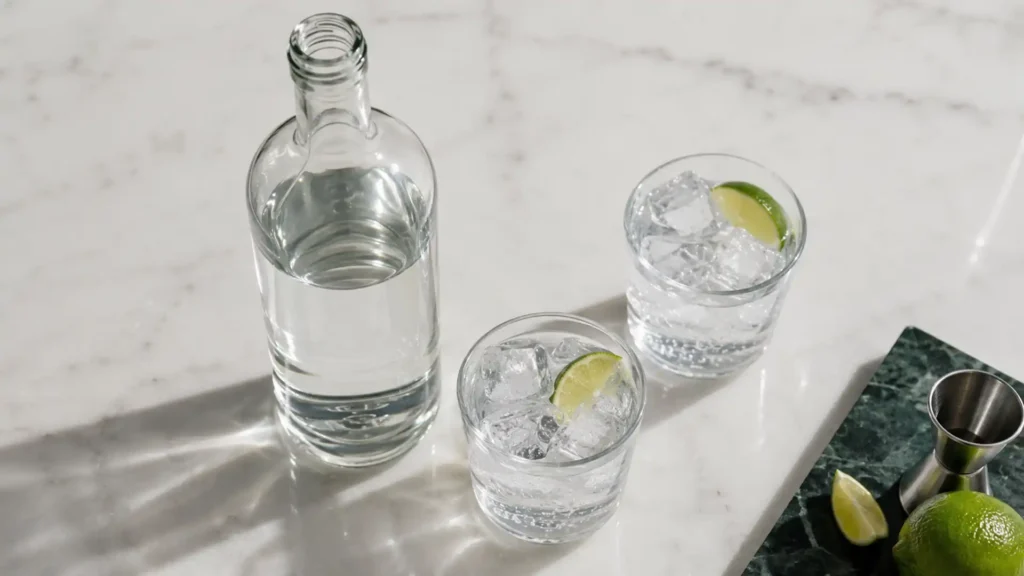
Titos nutritional value is simple for the spirit itself and more interesting for the drink in your hand. A standard 1.5-ounce shot of Tito’s Handmade Vodka has about 98 calories, zero carbohydrates, zero sugar, zero fat, and zero protein. Those 98 calories come entirely from the alcohol, which is why plain vodka is often called an “empty calorie” drink: energy with no nutrients attached. Tito’s is an 80-proof, 40 percent alcohol-by-volume vodka distilled from corn, which is the same strength as most popular vodkas, so its numbers are typical for the category rather than special.
If you are counting calories, watching carbs, or wondering whether Tito’s fits a low-carb or gluten-free plan, this guide breaks down the real picture. We will cover the per-shot panel, explain where those calories actually come from, show how the pour size and especially the mixer change everything, compare Tito’s to other spirits, and cover the gluten-free question. We will also be straight about the responsible-drinking side, since this is alcohol and the calories are only part of the story.
Tito’s nutritional value at a glance
The values below are for one standard 1.5-ounce shot (a jigger) of Tito’s Handmade Vodka at 80 proof. These figures are consistent across brand and database sources, because the calorie content of a distilled spirit is determined almost entirely by its alcohol content and pour size, both of which are standardized.
| Nutrient | Amount per 1.5 oz shot | Percent Daily Value* |
|---|---|---|
| Calories | 98 | — |
| Total fat | 0 g | 0% |
| Saturated fat | 0 g | 0% |
| Sodium | 0 mg | 0% |
| Total carbohydrates | 0 g | 0% |
| Total sugars | 0 g | — |
| Protein | 0 g | — |
| Alcohol | 14 g | — |
*Percent Daily Values are based on a 2,000-calorie diet. Alcohol has no established Daily Value. For independent reference values you can cross-check against the USDA FoodData Central database, which lists the same profile for 80-proof distilled spirits.
Where do Tito’s calories come from?
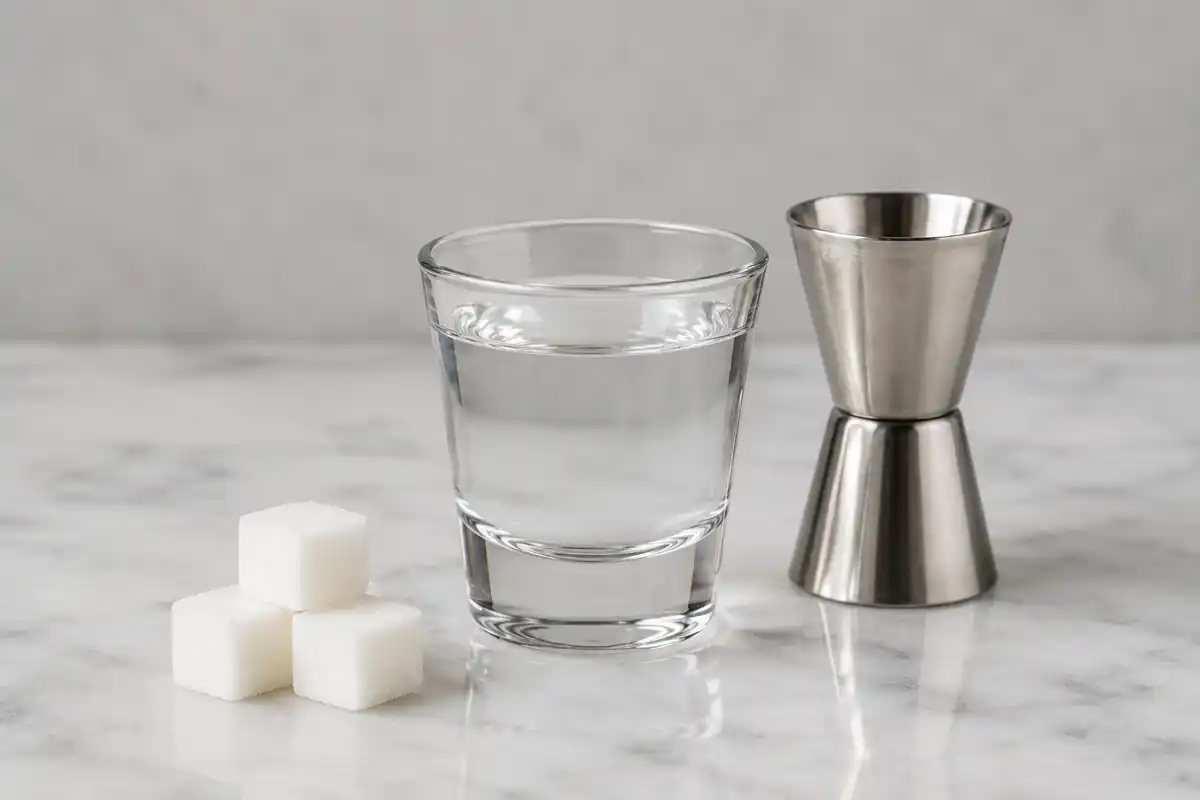
This is the part the database listings skip, and it is the key to understanding vodka calories. A shot of Tito’s has zero carbohydrate, zero fat, and zero protein, yet it carries 98 calories. So where do they come from? Alcohol itself. Ethanol provides about 7 calories per gram, which is nearly as calorie-dense as fat and almost double the 4 calories per gram of carbohydrate or protein. A 1.5-ounce shot of 80-proof vodka contains roughly 14 grams of pure alcohol, and 14 times 7 lands right around 98 calories.
That is why vodka is described as empty calories: the energy is real, but it comes with no carbohydrate, no sugar, no vitamins, and no minerals. Your body also treats alcohol calories differently from food calories, prioritizing the metabolism of alcohol over burning fat, which is part of why drinking can stall weight goals even when the calorie count looks modest. The 98 calories are the floor, not the ceiling, because almost nobody drinks vodka straight.
Tito’s calories by the pour
The 98-calorie figure is for a precise 1.5-ounce shot, and real pours vary a lot. A heavy hand at home or a generous bar pour changes the number meaningfully. The table below scales Tito’s calories to common pour sizes.
| Pour | Volume | Approx. calories |
|---|---|---|
| Light pour | 1 oz | 65 |
| Standard shot | 1.5 oz | 98 |
| Generous pour | 2 oz | 130 |
| Double | 3 oz | 196 |
The lesson is that the pour size is the first variable to control if calories matter to you. A standard 1.5-ounce shot is the benchmark, but a home pour with no jigger often runs closer to 2 ounces, which quietly adds a third more calories per drink. Over an evening of several drinks, those extra ounces add up faster than the mixer in some cases. Measuring is the simplest honest move.
The mixer is where the calories really hide
Here is the single most useful thing to understand about Tito’s nutritional value: the vodka is the small part. What you mix it with usually decides whether your drink is 100 calories or 300. Plain vodka has no sugar, but the moment you add juice, soda, tonic, or an energy drink, you are adding all the calories and carbohydrate the vodka lacks. The table below shows the same 1.5-ounce shot of Tito’s in common drinks.
| Drink | Mixer | Approx. total calories |
|---|---|---|
| Vodka soda | Club soda (zero cal) | 100 |
| Vodka with diet soda | Diet cola | 100 |
| Vodka tonic | Regular tonic water | 180 |
| Vodka cranberry | Cranberry juice cocktail | 200 |
| Vodka and regular soda | Cola | 240 |
| Vodka Red Bull | Energy drink | 210 |
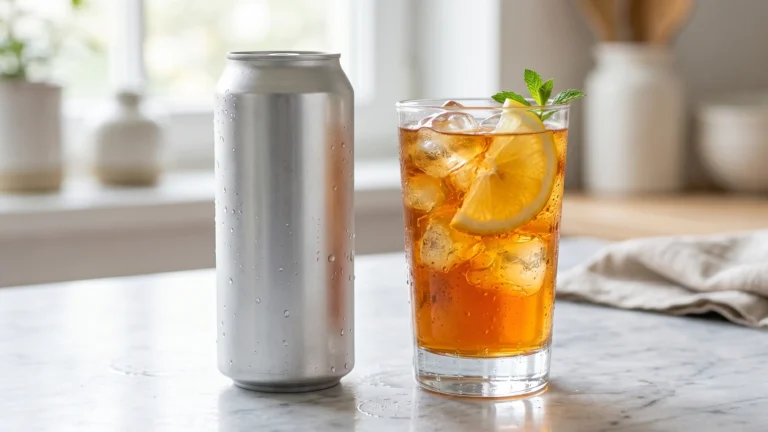
A vodka soda with club soda or a splash of lime stays right around 100 calories, since club soda has none. Swap to tonic water, which is sweetened, and you add 80 or more calories without it tasting noticeably sweeter. A vodka cranberry or a vodka and cola can double or more than double the calorie count, almost all of it from the mixer’s sugar. If you are drinking Tito’s to keep calories or carbs down, the mixer choice matters far more than the brand of vodka. A zero-calorie mixer keeps the whole drink near the vodka’s own number; a sugary one buries it.
Tito’s vs other spirits
A common belief is that vodka is somehow lighter than other liquors. At the same proof, that is a myth. The calories in any distilled spirit come from the alcohol, so an 80-proof vodka, gin, rum, tequila, and whiskey are all essentially identical per shot. The table below makes that clear.
| Spirit (1.5 oz, 80 proof) | Calories | Carbs |
|---|---|---|
| Tito’s vodka | 98 | 0 g |
| Gin | 97 | 0 g |
| Rum (white) | 97 | 0 g |
| Tequila (blanco) | 98 | 0 g |
| Whiskey | 98 | 0 g |
They are all within a calorie or two of each other, because they are all roughly 40 percent alcohol. Plain, unflavored vodkas like Tito’s, along with whiskey, gin, rum, and tequila, carry no carbohydrate. The differences people taste are flavor and texture, not calories. The real divergence shows up only with flavored spirits and liqueurs, which add sugar, and with the mixers. So choosing Tito’s over another 80-proof spirit is a flavor decision, not a calorie one.
Is Tito’s gluten-free?
Yes, and this is one of the main reasons people search for Tito’s specifically. Tito’s Handmade Vodka is distilled from corn, not wheat, and it is certified gluten-free by the Gluten Intolerance Group. Even vodkas made from wheat are generally considered gluten-free after distillation, because the distillation process separates the alcohol from the gluten proteins, but Tito’s corn base and formal certification put it on firmer ground for people with celiac disease or gluten sensitivity who prefer to avoid any wheat-derived product.
The one caution is flavored vodkas and pre-made cocktails, where added ingredients can reintroduce gluten or other allergens. Plain Tito’s poured with a clean mixer like club soda is a reliable gluten-free choice. As always, anyone with a serious medical reason to avoid gluten should confirm the certification on the specific bottle and be careful with mixers and garnishes.
What is Tito’s made of?
Tito’s Handmade Vodka is distilled from corn and then filtered, which is the whole ingredient story for the plain bottle. There is no added sugar, no flavoring, and no nutrient content beyond the alcohol itself, which is why the nutrition panel is a column of zeros next to the calorie line. The “handmade” name refers to the small-batch, pot-still distillation method the brand built its reputation on, but from a nutrition standpoint the corn base matters mainly because it is what makes the vodka naturally gluten-free.
The distillation process is also why a spirit made from a grain or a starchy plant ends up with zero carbohydrate. Fermentation turns the sugars in the corn into alcohol, and distillation then separates that alcohol from everything else, leaving the carbohydrate, sugar, and proteins behind in the mash. What you pour is essentially purified ethanol and water, which is the reason every plain 80-proof vodka lands at almost exactly the same calorie count regardless of what plant it started as.
Tito’s flavored cocktails and the sugar trap
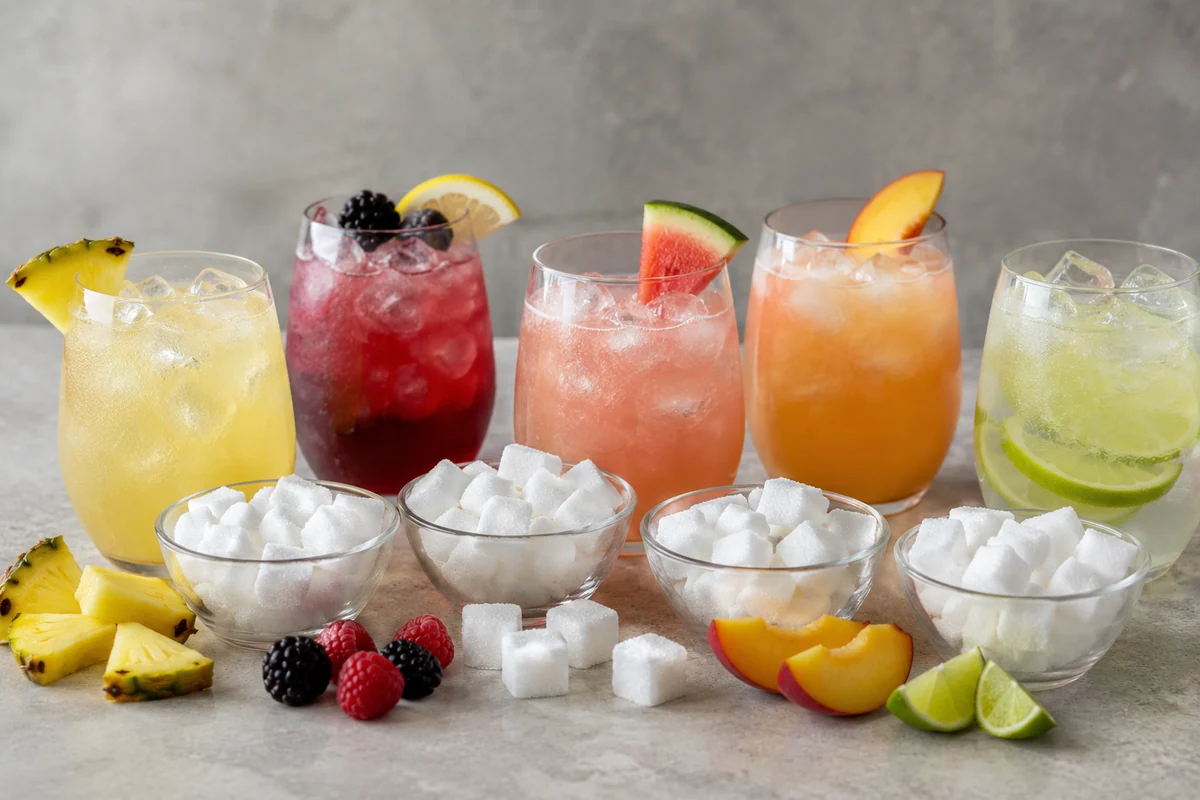
Everything above applies to plain Tito’s. The moment a drink moves from a simple vodka soda toward a sweet cocktail, the nutrition changes completely, and the change comes entirely from the additions rather than the vodka. A cosmopolitan, a lemon drop, or a flavored martini can carry 200 to 350 calories and a significant load of added sugar, almost none of which comes from the spirit. The same is true of frozen and slushie-style drinks, where sugar and sometimes cream pile on top of the alcohol.
This is the practical reason the mixer and recipe matter more than the brand. If you order Tito’s expecting a light drink and it arrives as a sugary cocktail, the nutrition you actually consumed has little to do with the 98-calorie shot at its base. Reading a cocktail by its mixers and sweeteners, not by the spirit, is the honest way to estimate what is in the glass.
Does Tito’s fit a low-carb or keto diet?
On the carbohydrate line, Tito’s fits a keto or low-carb plan well, since a shot has zero carbs and zero sugar. That is why vodka soda is a go-to drink for people watching carbohydrate, and why Tito’s appears on so many keto-friendly drink lists. Paired with club soda and lime, it is one of the lowest-carbohydrate alcoholic drinks you can order.
The honest caveat is that zero carbs does not mean zero consequences for a diet. The 98 calories per shot still count, and because the body burns alcohol before fat, drinking can slow fat loss even on a strict low-carb plan. So Tito’s is carb-friendly but not calorie-free, and a few drinks across an evening still add real energy. For weight goals, the move is to keep the pour measured, the mixer zero-calorie, and the count modest.
Drinking Tito’s responsibly
Because this is alcohol, the nutrition numbers are only part of the picture. Moderate drinking is defined for most adults as up to one drink per day for women and up to two for men, where a standard drink is the 1.5-ounce shot of 80-proof spirits described here. Drinking above that pattern carries health risks that have nothing to do with calories, and the federal dietary guidance and the National Institute on Alcohol Abuse and Alcoholism are clear that less is better. You can read the NIAAA overview of moderate and binge drinking for the full definitions.
The calorie-conscious framing in this article is meant to help people who already choose to drink make lighter choices, not to suggest that low-calorie alcohol is healthy. The fewest-consequence vodka drink is still a drink. If you are pregnant, managing a health condition, or taking medication, the right amount of Tito’s may be none, and that is worth checking with a doctor rather than a nutrition table. It is also worth remembering that the calorie count says nothing about how a drink affects you, since the same 14 grams of alcohol that supplies the 98 calories is also what impairs coordination and judgment, regardless of whether you mixed it with club soda or cola.
How Tito’s fits into a day of eating
If you are tracking intake, the cleanest way to account for Tito’s is to log the pour and the mixer separately, since the vodka is a fixed 98 calories per shot and the mixer is the variable. A measured vodka soda is one of the easier alcoholic drinks to fit into a calorie target, costing about as much as the shot alone. The trouble starts with sugary mixers and untracked heavy pours, which is where a “light” drink turns into a 250-calorie one.
It also helps to remember that alcohol tends to lower restraint around food, so the calories that ride along with a night of drinking are often as much about the snacks as the drinks. If you are pairing drinks with a meal, leaning the food toward protein and vegetables offsets the empty calories in the glass. Our look at the Twisted Tea nutrition facts is a useful contrast, since a flavored malt drink can carry as many calories and a load of sugar that plain Tito’s does not, and our breakdown of the Big Mac nutrition facts is a reminder of how quickly late-night food adds to the total.
Is Tito’s good for a diet?
Among alcoholic drinks, plain Tito’s with a zero-calorie mixer is one of the more diet-friendly choices, thanks to its zero carbohydrate and modest 98 calories per shot. The caveats are real, though. The calories still count, the body prioritizes burning alcohol over fat, and the mixer or a heavy pour can quietly triple the total. As an occasional measured drink with club soda and lime, Tito’s fits most eating patterns without much damage. As several sugary cocktails across a weekend, it does not. The brand is not magic; the pour size, the mixer, and the count are what actually decide the numbers.
Frequently Asked Questions
How many calories are in a shot of Tito’s?
A standard 1.5-ounce shot of Tito’s Handmade Vodka has about 98 calories. A 2-ounce home pour is closer to 130, and a double is around 196.
Does Tito’s have carbs or sugar?
No. Plain Tito’s has zero carbohydrate and zero sugar, because the carbs are separated from the alcohol during distillation. Any carbs in your drink come from the mixer, not the vodka.
Where do the calories in Tito’s come from?
Entirely from the alcohol. Ethanol provides about 7 calories per gram, and a 1.5-ounce shot has roughly 14 grams of alcohol, which works out to the 98 calories. There are no nutrients attached, which is why it is called empty calories.
Is Tito’s gluten-free?
Yes. Tito’s is distilled from corn and certified gluten-free by the Gluten Intolerance Group, making it a reliable choice for people avoiding wheat. Watch flavored versions and pre-made cocktails, which can add other ingredients.
Is Tito’s keto-friendly?
On carbs, yes, since a shot has zero. Paired with club soda it is one of the lowest-carb drinks available. Remember the 98 calories still count, and alcohol can slow fat loss even on a strict low-carb plan.
Is vodka lower in calories than other liquors?
No. At the same 80 proof, vodka, gin, rum, tequila, and whiskey all have about 97 to 98 calories per shot and zero carbs. The calories come from the alcohol, so the type of plain spirit barely matters.
What is the lowest-calorie way to drink Tito’s?
A measured 1.5-ounce shot with club soda and a squeeze of lime keeps the whole drink near 100 calories, since club soda has none. Avoiding tonic, juice, regular soda, and energy drinks is the single biggest way to keep a vodka drink light.
How much alcohol is in a shot of Tito’s?
A 1.5-ounce shot of 80-proof Tito’s contains about 14 grams of pure alcohol, which is the definition of one standard drink in the United States. That 14 grams of ethanol is the entire source of the shot’s 98 calories.