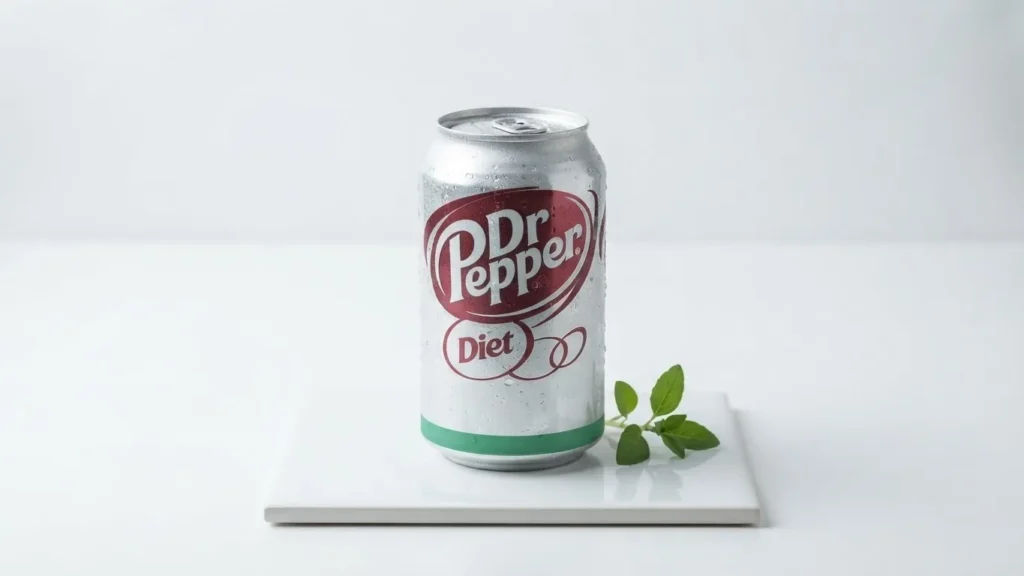
The one line worth memorizing before anything else: a 12 fl oz can of Diet Dr Pepper carries zero calories, zero sugar, and zero carbohydrates, and it does that using aspartame as its only sweetener. That last part matters more than it looks, because it changes what shows up on the label and who needs to read the fine print. These Diet Dr Pepper nutrition facts are simple on the macro side and surprisingly messy on the details, since the sodium and caffeine figures don’t agree from one listing to the next. This piece pins down what’s settled, flags what isn’t, and tells you which number to trust for your situation.
Quick answer: A standard 12 fl oz can of Diet Dr Pepper has 0 calories, 0g of sugar, 0g of carbohydrates, 0g of fat, and 0g of protein. It is sweetened only with aspartame, which is why the can carries a phenylalanine statement for people with PKU. Sodium is listed at either 55mg or 65mg per can depending on the source, and caffeine sits around 40mg per can, roughly a third of what a regular can holds. A caffeine-free version exists for anyone who wants the same zero-calorie profile without the stimulant.
The 12 fl oz Panel: Calories, Sugar, Carbs, Fat, Protein
Here is the part that doesn’t wobble. Across the retail listings, a single 12 fl oz serving of Diet Dr Pepper logs 0 calories, 0g fat, 0g total carbohydrates, 0g protein, and 0g sugar. One can is one serving, so the can total and the serving figure are the same number, which isn’t true for every drink you’ll pick up.
The zero-sugar line is the whole reason people reach for this over the regular formula. For contrast, a 12 oz can of regular Dr Pepper carries 150 calories and 40g of sugar. That 40g is not a rounding artifact; it’s most of a day’s added-sugar budget in a single can. Swapping to the diet formula erases all of it. If you want the same number-by-number treatment on a competing zero-calorie cola, our breakdown of the Nutrition Facts on Coke Zero walks the panel line by line.
| Per 12 fl oz can | Diet Dr Pepper | Regular Dr Pepper |
|---|---|---|
| Calories | 0 | 150 |
| Total fat | 0g | 0g |
| Total carbohydrates | 0g | – |
| Sugar | 0g | 40g |
| Protein | 0g | 0g |
| Sodium | 55mg or 65mg (see below) | – |
| Caffeine | ~40mg | – |
Because every macro reads zero, this drink adds nothing to a calorie count on its own. That’s a math fact, not a health claim, and it doesn’t speak to how anyone’s body responds to the sweetener. The values here come off retail panels, and brands can change a formula without announcing it, so a can in your fridge could differ from a listing published months earlier.
Why the Sodium Reads 55mg on One Listing and 65mg on Another
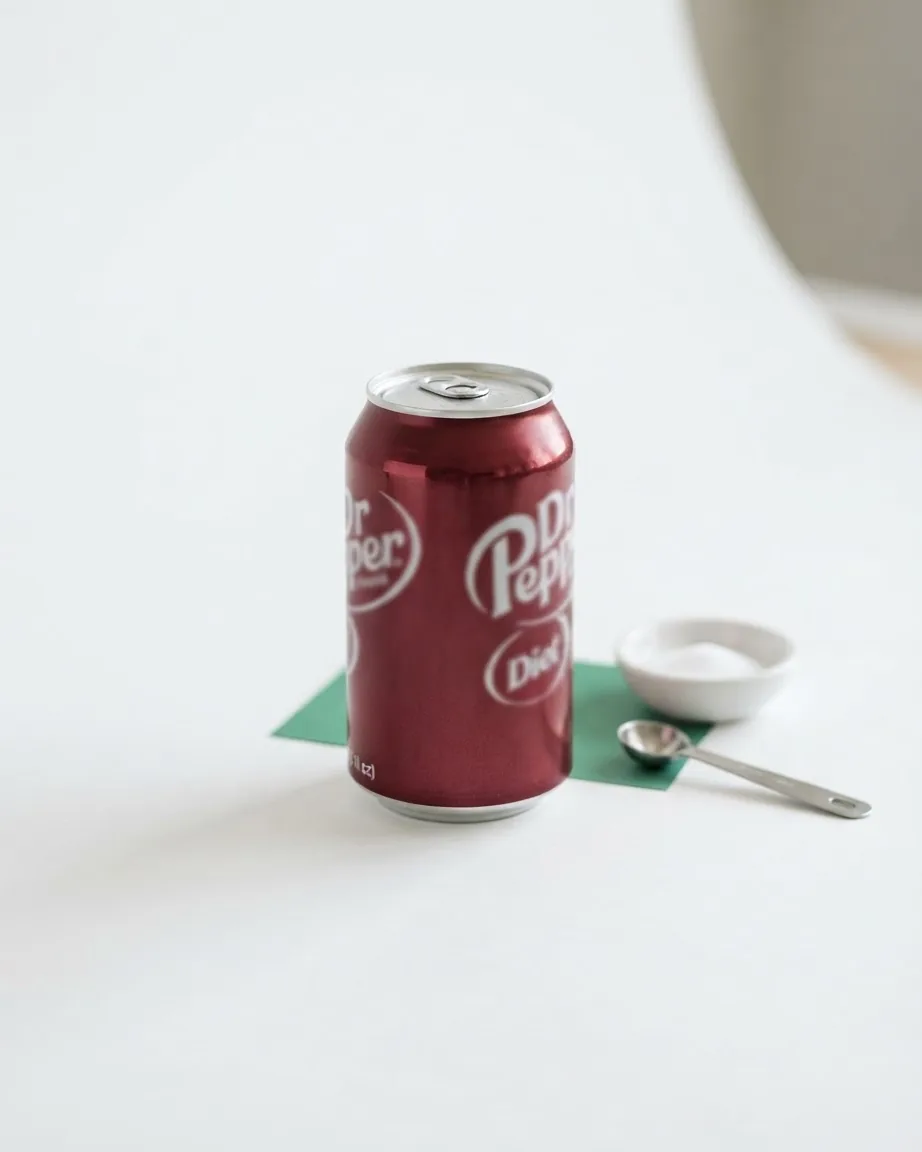
This is the first place the sources split, and it’s worth knowing which is which. Fairway Market’s product page lists 65mg of sodium per 12 fl oz serving. Allerwise reports 55mg per can.
Ten milligrams is small in absolute terms, but the disagreement tells you something useful: nutrition panels get transcribed by retailers and third-party databases, and small variances creep in through rounding, regional bottling runs, or an older label. Neither figure is large enough to matter for most people watching sodium, since even the higher 65mg is a minor slice of a daily intake. If you track sodium tightly for a medical reason, log the higher number to stay safe rather than assuming the lower one.
The practical takeaway: don’t treat any single soda panel as a lab-certified constant. Retailers publish what the manufacturer supplies them, and two honest listings can still disagree by a few milligrams. When they do, the conservative move is the larger figure.
Caffeine Per Can: 40mg, 41mg, or Unlisted?
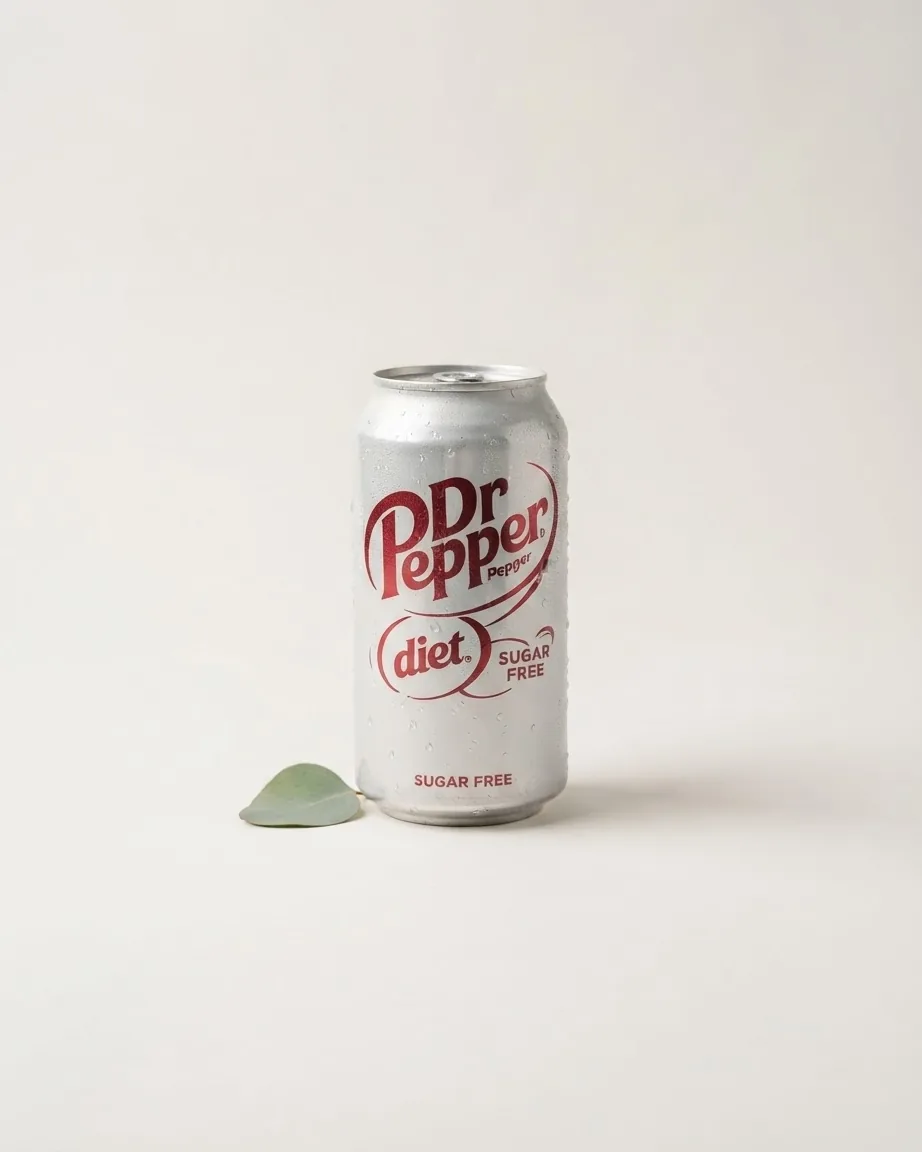
Caffeine is the second spot where the numbers refuse to line up cleanly. Allerwise reports 40mg of caffeine per can. A separate unverified figure puts it at exactly 41mg per can. And some primary label data doesn’t quantify caffeine at all beyond listing it as an ingredient. So the honest answer is “about 40mg,” with the understanding that a milligram either way is inside the noise of how these things get measured.
For perspective, that’s roughly a third of the caffeine in a cup of brewed coffee, and well under half of what many energy drinks carry per serving. If you’re comparing your daily caffeine sources, an afternoon Diet Dr Pepper is a light contributor. The caffeine here comes from added caffeine, listed plainly at the end of the ingredient line, not from a coffee or tea base.
One more thing the label won’t do: it won’t tell you your personal tolerance. A 40mg dose sits far below the threshold most guidance flags for adults, but sensitivity varies, and late-day soda can still disrupt sleep for people who metabolize caffeine slowly.
Aspartame Only: How Diet Dr Pepper Differs From Dr Pepper Zero Sugar
People use “diet” and “zero sugar” as if they’re the same drink with two names. They aren’t, and the difference is the sweetener. Diet Dr Pepper is sweetened exclusively with aspartame. Dr Pepper Zero Sugar uses a blend of aspartame and acesulfame potassium, usually written as Ace-K. That single change alters the taste profile and the label, per Dr Pepper Addiction, which lays out the sweetener split between the two products.
Why blend two sweeteners at all? Aspartame and Ace-K each carry a slightly different flavor edge, and combining them tends to round off the aftertaste each has on its own. Diet Dr Pepper’s single-sweetener recipe is the older approach, which is part of why its flavor reads differently to longtime drinkers than the Zero Sugar line does. Neither adds calories, sugar, or carbohydrates.
The label consequence is concrete. Because Diet Dr Pepper contains aspartame, it must carry a phenylalanine statement, covered in the next section. A drink sweetened only with Ace-K would not. So the sweetener choice isn’t just a taste decision; it dictates a mandatory warning.
The Full Ingredient List and the Phenylalanine Warning
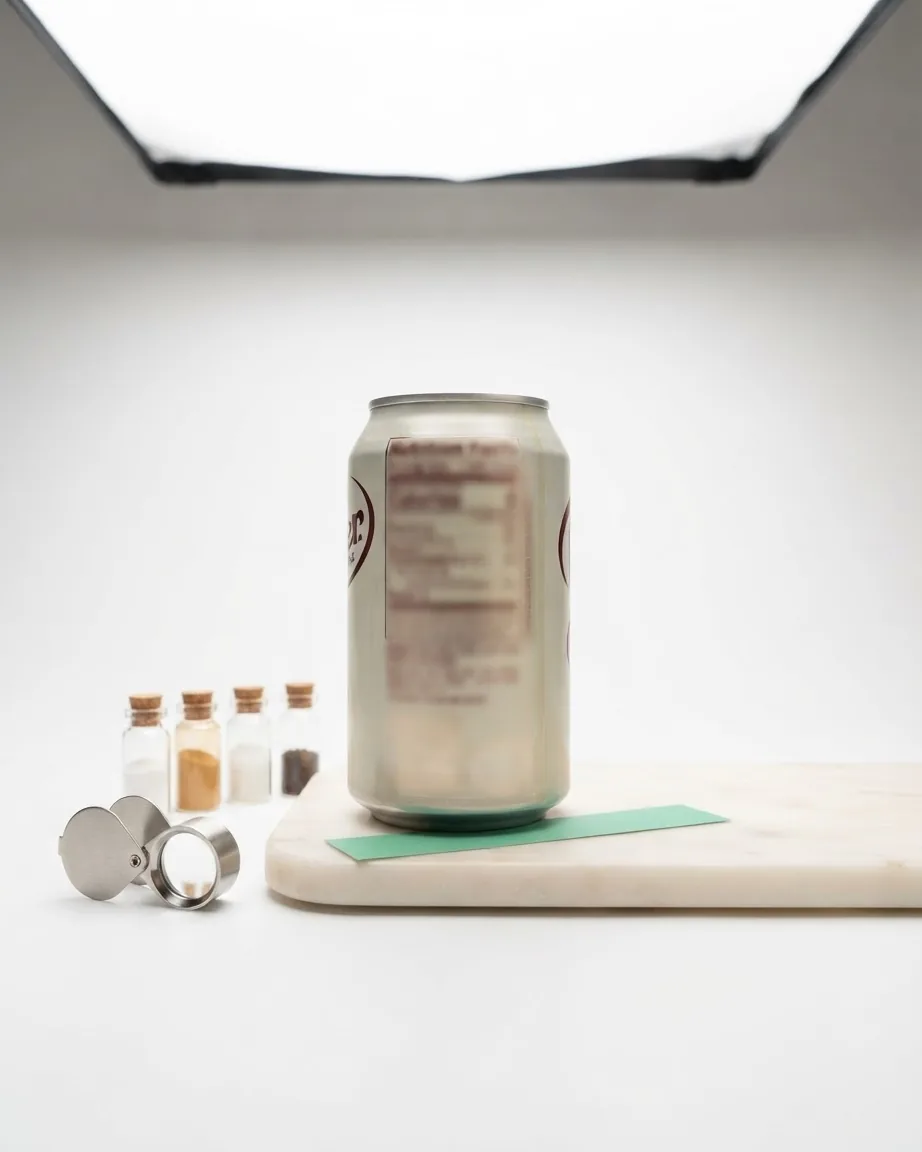
Read off the panel, the ingredient list runs: carbonated water, caramel color, aspartame, phosphoric acid, flavors, sodium benzoate, and caffeine, per the product listing at Roche Bros. That’s a short list for a soda, and there’s no sugar or high-fructose corn syrup anywhere in it, which is what you’d expect from a zero-calorie formula.
The line that needs a closer look is aspartame, because it’s the reason for the warning. The product label explicitly states it contains phenylalanine, and Diet Dr Pepper carries a mandatory warning for individuals with Phenylketonuria (PKU). Allerwise documents both the PKU warning and the zero-calorie profile in its breakdown of the drink.
PKU is a rare inherited disorder in which the body can’t properly break down phenylalanine, one of the components of aspartame. For someone with PKU, phenylalanine builds up and can cause harm, which is why the warning is required by law on any aspartame-containing product rather than left to the manufacturer’s discretion. For everyone without PKU, the warning is simply not addressed to you; it’s a targeted notice, not a general caution.
The other additives play familiar roles: caramel color for the dark tint, phosphoric acid for tartness, sodium benzoate as a preservative, and “flavors” as the proprietary Dr Pepper blend the company doesn’t itemize. If you like tracing every additive on a panel back to its job, our line-by-line reads on the Fruity Pebbles Nutrition Label and the Lucky Charms Cereal Nutrition Label take the same approach with breakfast cereals.
Is Aspartame Safe? What the FDA, WHO, and JECFA Actually Set
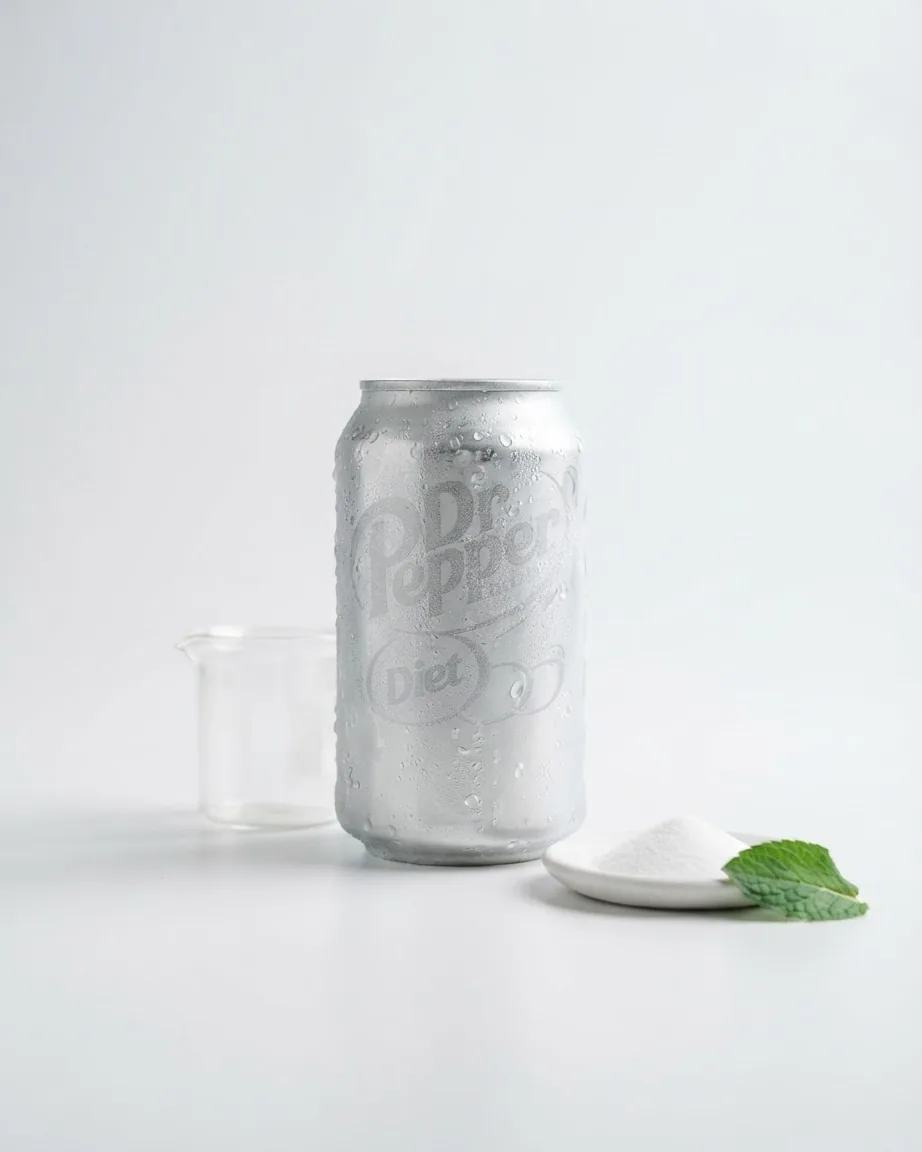
This is where the fine print gets its context. The FDA sets an acceptable daily intake, or ADI, of about 50 mg per kg of body weight per day for aspartame, while European and World Health Organization bodies use a lower threshold. The ADI is a deliberately conservative ceiling: it’s the amount considered safe to consume every day across a lifetime, with a large safety margin already built in.
The WHO and FAO’s expert committee on food additives, known as JECFA, reviewed the actual risk and reaffirmed its acceptable daily intake figure, per the same Dr Pepper Addiction analysis. In other words, when the risk was formally re-examined, the safety ceiling held rather than dropping.
The number that makes the ADI feel real: the WHO noted that a 70 kg adult would need to drink somewhere in the range of nine to fourteen cans of diet soda every day to approach the limit. That’s not a casual habit; it’s a volume most people would never hit. So while aspartame stays a live topic of public debate, the intake ceiling set by regulators sits far above ordinary use of a can or two.
None of this is dietary advice, and it doesn’t settle the broader argument about artificial sweeteners. It only tells you where the official thresholds are drawn and how much of the drink it takes to get near them.
The Caffeine-Free Version and Where This Drink Fits Your Day
If the zero-calorie profile appeals but the caffeine doesn’t, there’s a direct answer: a completely caffeine-free version of Diet Dr Pepper is also manufactured, listed on the brand’s own product page. It keeps the same 0-calorie, 0-sugar, 0-carbohydrate macros and the same aspartame sweetening, so the phenylalanine warning still applies. The only thing it drops is the roughly 40mg of caffeine per can, which makes it the version to reach for in the evening or for anyone cutting stimulants.
Keurig Dr Pepper, the parent company, keeps both the caffeinated and caffeine-free diet formulas in production, so this isn’t a discontinued oddity. Where it fits your day comes down to two questions: do you want the caffeine, and do you need to avoid phenylalanine? If the answer to caffeine is no, the caffeine-free can gives you an identical macro line without it. If you have PKU, neither version works, because both are built on aspartame.
For a wider look at how sodas, sports drinks, and other beverages stack up on the label, browse our drinks guides. If your comparison is spirits rather than soda, the numbers behind a pour of Tito’s run on entirely different math.
Diet Dr Pepper Nutrition Facts FAQ
How many calories are really in a can of Diet Dr Pepper?
Zero. A 12 fl oz can logs 0 calories, and since one can equals one serving, the can total and the serving total are the same. It also carries 0g of sugar, 0g of carbohydrates, 0g of fat, and 0g of protein, so the drink adds nothing to a calorie count on its own.
Why does the sodium number change between websites?
Two honest sources disagree: Fairway Market lists 65mg of sodium per 12 fl oz serving, while Allerwise reports 55mg per can. If you track sodium for a medical reason, use the higher 65mg figure to stay on the safe side.
What’s the difference between Diet Dr Pepper and Dr Pepper Zero Sugar?
The sweetener. Diet Dr Pepper uses aspartame alone. Dr Pepper Zero Sugar blends aspartame with acesulfame potassium (Ace-K). Both are zero-calorie and zero-sugar, but the blend changes the flavor’s aftertaste and, because only aspartame triggers it, the phenylalanine warning appears on the diet formula specifically.
Who needs to worry about the phenylalanine warning?
People with Phenylketonuria (PKU), a rare inherited disorder that prevents the body from breaking down phenylalanine, a component of aspartame. The warning is legally required on aspartame products and is aimed only at those individuals. Anyone without PKU is not the intended audience for that notice.
How much caffeine is in a can, and is there a caffeine-free option?
About 40mg per can, with one source listing 41mg and some label data leaving it unquantified. That’s roughly a third of a cup of brewed coffee. Yes, a caffeine-free version is manufactured with the identical zero-calorie, aspartame-sweetened profile, minus the caffeine.
These figures are read off retail and brand panels. Manufacturers can adjust a recipe or bottling run without notice, so the safest habit is to check the panel on the actual can in your hand against what you read here.