This diet doctor pepper nutrition guide reads a standard 12 fl oz serving of Diet Dr Pepper: 0 calories, 0 g total fat, 0 g carbohydrates, 0 g sugar, and 60 mg of sodium, with about 41 mg of caffeine. That is the packaged-can panel from Keurig Dr Pepper. The number that moves most is sodium: it reads differently at a fountain or a campus dining hall, so where the drink comes from decides which figure applies to you. Fuller Diet Dr Pepper nutrition detail, the exact carbs answer, and the sodium-by-outlet spread sit below.
The sweetener is aspartame, which is why a US can carries a phenylketonurics warning. “Diet” here points at sugar and calories, not caffeine. Diet Dr Pepper and regular Dr Pepper list roughly the same caffeine per can. If you want zero sugar and zero caffeine, that is a separate product, not this one.
The 12 fl oz label at a glance
The packaged-can figures below come from the Keurig Dr Pepper product-facts page. Every line reads 0 except sodium and caffeine.
- Calories: 0
- Total fat: 0 g
- Sodium: 60 mg, 3% Daily Value
- Total carbohydrates: 0 g
- Total sugars: 0 g
- Protein: 0 g (no protein is declared)
- Caffeine: about 41 mg
There is no declared fiber, cholesterol, fat, or protein, and no vitamins or minerals listed beyond the sodium line. The published values track the manufacturer panel and the UW-Stout dining database; recipes can change without notice.
Diet Dr Pepper nutrition at Casey’s General Store
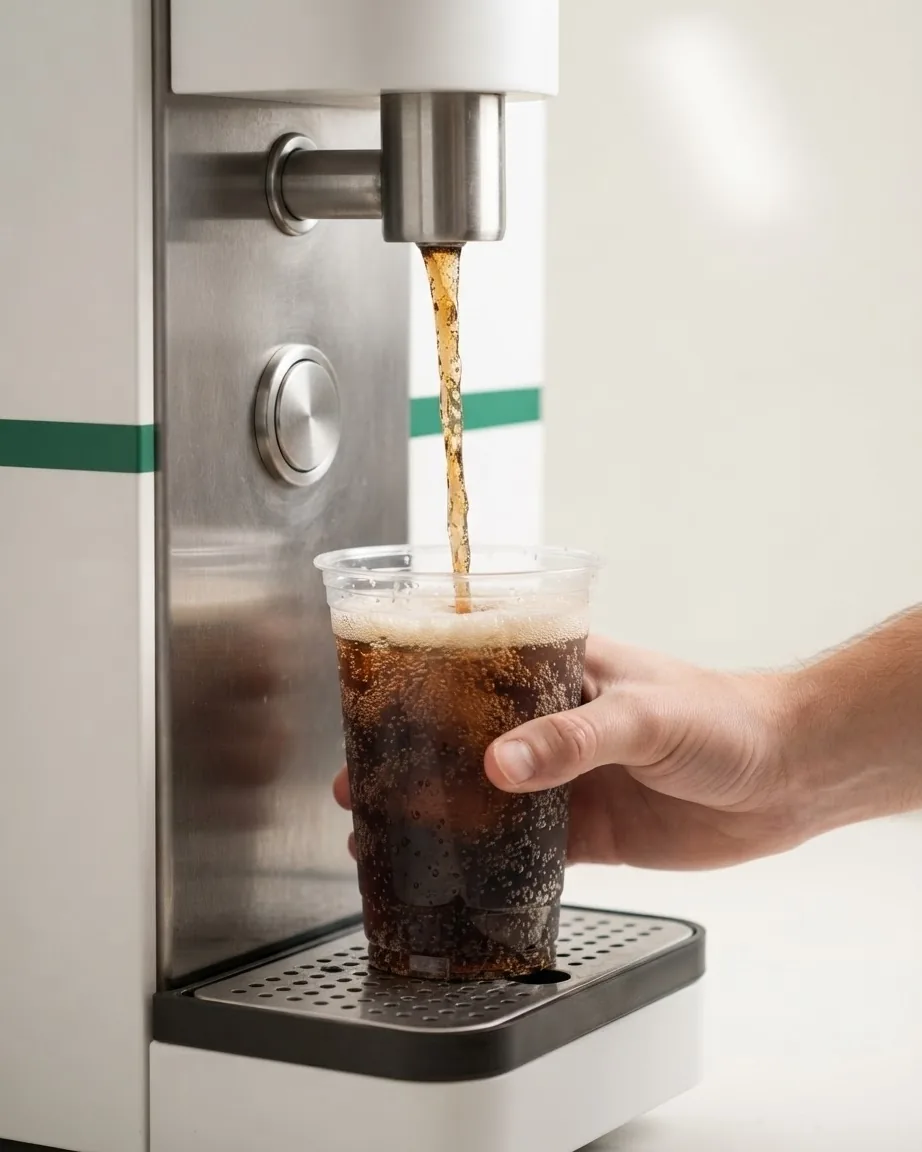
Ordered from the fountain at a Casey’s General Store, an 8 oz pour of Diet Dr Pepper has 0 calories, 0 g protein, 0 g carbs, 0 g sugar, and 0 g fat, with 50 mg of sodium. That is about 0% of a 2,000-calorie day, per the figures Nutrola reports for the US menu. A fountain 8 oz and a packaged 12 oz are not the same serving, so the 50 mg does not replace the can’s 60 mg.
How many carbs are in a Diet Dr Pepper
Allergen warning
Zero. The 12 oz packaged serving lists 0 g total carbohydrates, which also makes net carbs zero. The allergen guide Allerwise states its summary plainly: “Diet Dr Pepper nutrition includes zero calories, zero sugar, and zero carbohydrates per 12 oz serving,” which you can read on Allerwise. For a keto or low-carb day, the macro math contributes nothing; the aspartame sweetener, not sugar, carries the taste. See also our Clawtails nutrition breakdown and our wider drinks guides.
Why the sodium number keeps changing
One sentence names this: below is a cross-source sodium comparison the single brand panel does not give you, because the same drink is measured on different bases. These are not interchangeable and must not be averaged.
| Source | Serving | Sodium | Preparation |
|---|---|---|---|
| Keurig Dr Pepper | 12 fl oz | 60 mg | Packaged can |
| Allerwise | per can | 55 mg | Packaged can |
| Casey’s (Nutrola) | 8 oz | 50 mg | Fountain |
| Salisbury University | 8 ozl | 42.2 mg, 2% | Dining hall |
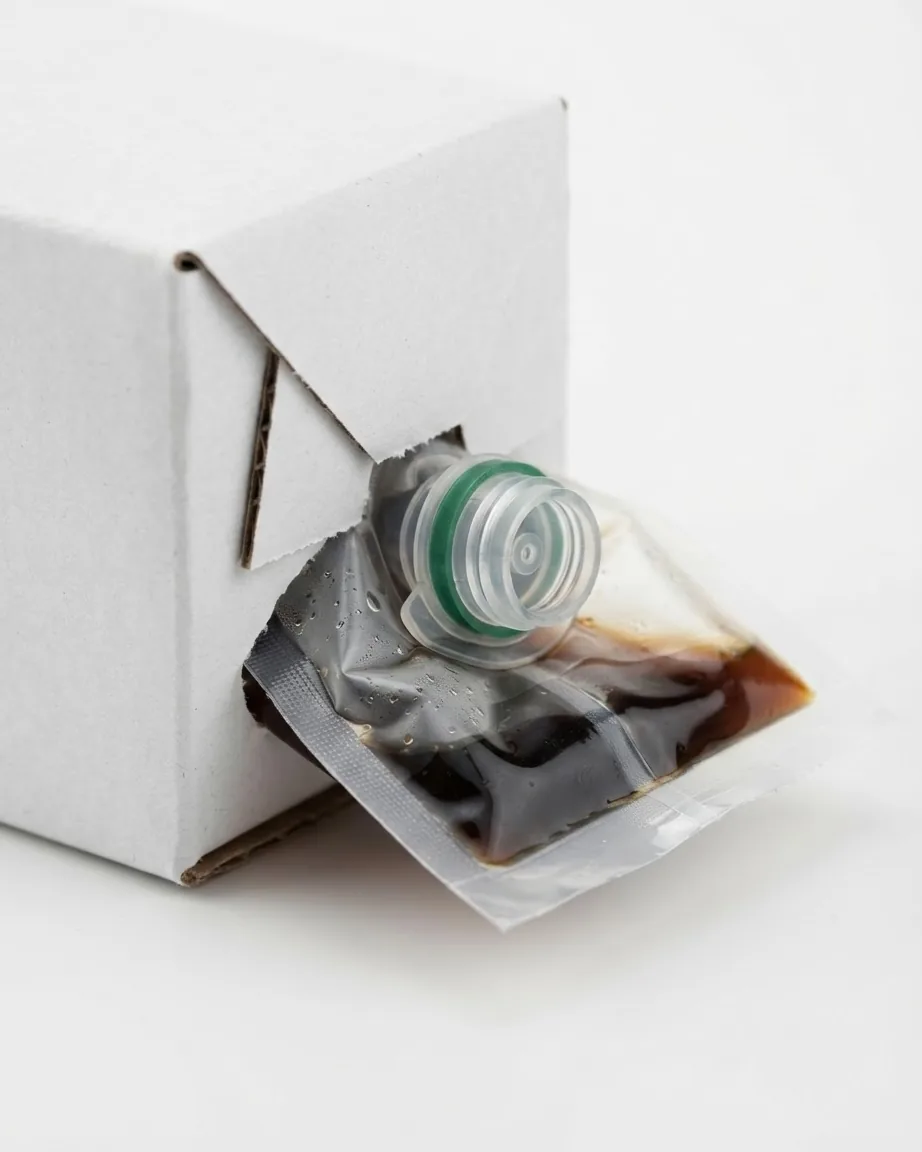
| UW-Stout | 12 oz | 138.5 mg, 9% | Water + 5-gal BIB |
The UW-Stout figure is high because the dining entry is built from water plus a bag-in-box concentrate, not a sealed can; its ingredient line names caffeine and sodium benzoate alongside aspartame. Match the figure to how your drink was poured.
Caffeine, aspartame, and who should watch what
Caffeine per 12 fl oz is reported close but not identical across independent sources: about 41 mg (Keurig Dr Pepper), 40 mg per can (Allerwise), and 42 mg on the CSPI chart. CSPI, which notes that “roughly 85 percent of us drink at least one caffeinated beverage every day,” lists both diet and regular at the same 12 oz figure on its caffeine chart. The “diet” label changes sugar, not caffeine.
Treat these as signals to act on, not symptoms to self-diagnose:
- If you have phenylketonuria (PKU): the US label carries a phenylalanine warning tied to aspartame. Follow your metabolic clinician’s guidance; do not rely on a marketing descriptor.
- If a reaction looks like an allergy (hives, swelling, trouble breathing): stop and seek urgent medical care from a clinician, not a store.
- A standard 12 fl oz Diet Dr Pepper contains about 41 mg of caffeine; the separate Caffeine-Free Diet Dr Pepper SKU contains no caffeine.
What the Diet Swap Removes Per Can, By the Numbers
The article fixes both sides of the trade: a regular 12 oz Dr Pepper carries 150 calories and 40 g of sugar, while the diet can carries 0 and 0. Doing the subtraction, every single-can swap removes 150 calories and 40 g of sugar, and keeps the caffeine roughly the same at about 41 mg. The regular panel also lets you back out the sugar allowance it is measured against: 39 g of added sugar reported as 78% of the Daily Value works out to a 50 g baseline (39 ÷ 0.78), so one regular can alone uses more than three-quarters of that day’s sugar.
- Per can swapped: 150 − 0 = 150 calories removed, and 40 − 0 = 40 g sugar removed.
- Implied added-sugar Daily Value from the regular panel: 39 ÷ 0.78 = 50 g, meaning one regular can (39 g) spends about 78% of it before anything else you eat or drink.
- Over a two-can-a-day week (14 cans), the swap removes 150 × 14 = 2,100 calories and 40 × 14 = 560 g of sugar, while the stimulant load stays put.
Figures are derived from the calorie and sugar numbers stated in this article for the 12 oz diet and regular cans; the diet swap changes sugar and calories, not caffeine.
Caffeine-Free Diet Dr Pepper is a different can
If you want the zero-sugar profile without the caffeine, reach for Caffeine-Free Diet Dr Pepper, which Keurig Dr Pepper describes as having no calories and no caffeine. It is a separate SKU with its own label, so its caffeine value should never be read off the standard Diet Dr Pepper panel above. When a recipe or a tracking goal calls for no caffeine at all, confirm you have the caffeine-free can in hand rather than assuming the diet descriptor covers it.
The PKU warning, word for word
Because the US formulation contains aspartame, the label carries a warning for people with phenylketonuria. Allerwise documents the panel text as “PHENYLKETONURICS: CONTAINS PHENYLALANINE.” Anyone managing PKU should treat that line as the operative instruction and follow their metabolic clinician’s guidance, rather than assuming a zero-sugar drink is automatically safe. The warning is tied to the sweetener, not to sugar or calories, so it applies even though every macro on the panel reads zero.
A packaged 12 fl oz Diet Dr Pepper gives you 0 calories, 0 g sugar, 0 g carbohydrates, 60 mg of sodium, and about 41 mg of caffeine. The one figure that genuinely shifts is sodium, and it shifts because the drink is measured on different bases: a sealed can, an 8 oz fountain pour, or a dining-hall entry built from water and a bag-in-box concentrate. Match the number to how your drink was served, remember that “diet” changes sugar rather than caffeine, and if PKU or caffeine limits apply to you, read the specific can in your hand and check with your clinician.