A 12 fl oz (354 ml) can of Coca-Cola Zero Sugar posts a full row of zeros – 0 calories, 0 g sugar, 0 g fat, 0 g protein – and yet the panel is not blank. The same can still carries 34 mg of caffeine and a sodium figure that moves the moment you switch container sizes. That gap between “zero-calorie” and “zero of everything” is where most of the confusion around Coca-Cola Zero nutrition lives. The figures below are compiled from the manufacturer’s own declarations, three retailer nutrition panels, and public regulatory guidance, arranged into one comparison so the numbers line up instead of scattering across a dozen labels.
This desk formats sourced label data; it does not weigh, taste, or lab-test the product, and brand recipes can change without notice. What follows is the panel as it currently reads.
The Fast Answer on the Numbers
Coca-Cola Zero nutrition, read from the standard 12 fl oz (354 ml) can, is a row of zeros on the macro line: 0 calories, 0 g fat, 0 g sugar, and 0 g protein. The can is not empty of everything, though. It logs 34 mg of caffeine and about 40 mg of sodium at that 12 oz size. Sweetness comes from aspartame, acesulfame potassium, and a stevia extract rather than sugar. Sodium scales with the container: a 16.9 oz bottle shows 60 mg, a 20 oz bottle 70 mg. Caffeine climbs the same way, by volume – the concentration stays roughly constant while the totals grow.
What the 12 oz Panel Declares, Line by Line

The reference serving is one 12 fl oz can, which for this product is also the whole container – there is no “per serving vs. per package” split to reconcile at that size. Across calories and every macro that carries energy, the number rounds to zero. Healthline’s breakdown of the standard can records 0 calories, 0 g fat, 0 g protein, and 0 g sugar, which is the same set a US brand panel prints. With sugar at 0 g, there is no meaningful carbohydrate load behind it, and the drink contributes no dietary fiber and no protein of note.
| Per 12 fl oz (354 ml) can | Amount | Source |
|---|---|---|
| Calories | 0 | Healthline |
| Total fat | 0 g | Healthline |
| Protein | 0 g | Healthline |
| Total sugars | 0 g | Healthline |
| Sodium | 40 mg | Price Rite Marketplace |
| Caffeine | 34 mg | The Coca-Cola Company |
The zero on the calorie line is doing a specific job: it means sweetness is supplied by sugar substitutes that the body does not metabolize for energy, not that the formula is inert. Sodium and caffeine still register, and both matter more than the calorie count if you are tracking either one. For a number-by-number walkthrough of the same can, the desk keeps a longer companion breakdown on the real 12 fl oz Coke Zero panel.
Caffeine in Coke Zero: 34 mg per Can
The Coca-Cola Company lists 34 mg of caffeine per 12-oz serving for the US product. That is the figure to use for the standard can. For daily context, the U.S. Food and Drug Administration cites 400 milligrams of caffeine a day as a reference point for most healthy adults – an amount the agency describes as “not generally associated with negative effects.” At 34 mg a can, a person would clear a lot of ground before approaching that mark, but coffee, tea, and energy drinks in the same day all count toward it, and individual tolerance runs a wide range.
You will sometimes see a broader claim that a caffeinated soft drink holds 23 to 83 milligrams per 12 fluid ounces. That FDA range covers the whole category of caffeinated sodas, not this one product; the company’s 34 mg sits inside it. The two are describing different things – a specific declared value versus a category span – so a mismatch between them is not a contradiction. Our reference set covers the standard caffeinated product and does not carry a separate panel for a caffeine-free variant, so we do not report caffeine figures for one here.
Coca-Cola Zero Nutrition by Container: Why the Sodium Shifts
Sodium is the number that appears to change every place you look, and the reason is mechanical: each panel reports the entire container, and the containers are different sizes. There is no single “sodium in Coke Zero” figure – there is a figure per volume. Reading the raw milligrams across sizes as if they were one moving value misreads three separate serving bases. The desk aggregates the three retailer panels into a single per-container reference so the comparison is apples to apples.
| Container | Sodium | Potassium | Source |
|---|---|---|---|
| 12 fl oz can | 40 mg | – | Price Rite Marketplace |
| 16.9 fl oz bottle | 60 mg | 80 mg | The Fresh Grocer |
| 20 fl oz bottle | 70 mg | – | Fairway Market |
Price Rite Marketplace lists the 12 fl oz can at 40 mg of sodium. The Fresh Grocer records the 16.9 fl oz bottle at 60 mg sodium and 80 mg potassium. Fairway Market puts the 20 fl oz bottle at 70 mg of sodium. More liquid, more sodium – the trend is size, not reformulation.
One more wrinkle: Healthline expresses the same 12 oz can’s sodium and potassium each as 2% of the Daily Value rather than in milligrams. A percent-of-DV and a milligram figure are not interchangeable at a glance, so if you are comparing labels, note whether a source gives you 2% or a raw mg number before you line them up. For a drink where sodium is the headline number rather than a footnote, the same per-container caution applies – see how it plays out on a 20 oz Gatorade bottle, where sodium is the point of the product.
The Ingredient List and the Two Sweeteners Doing the Work
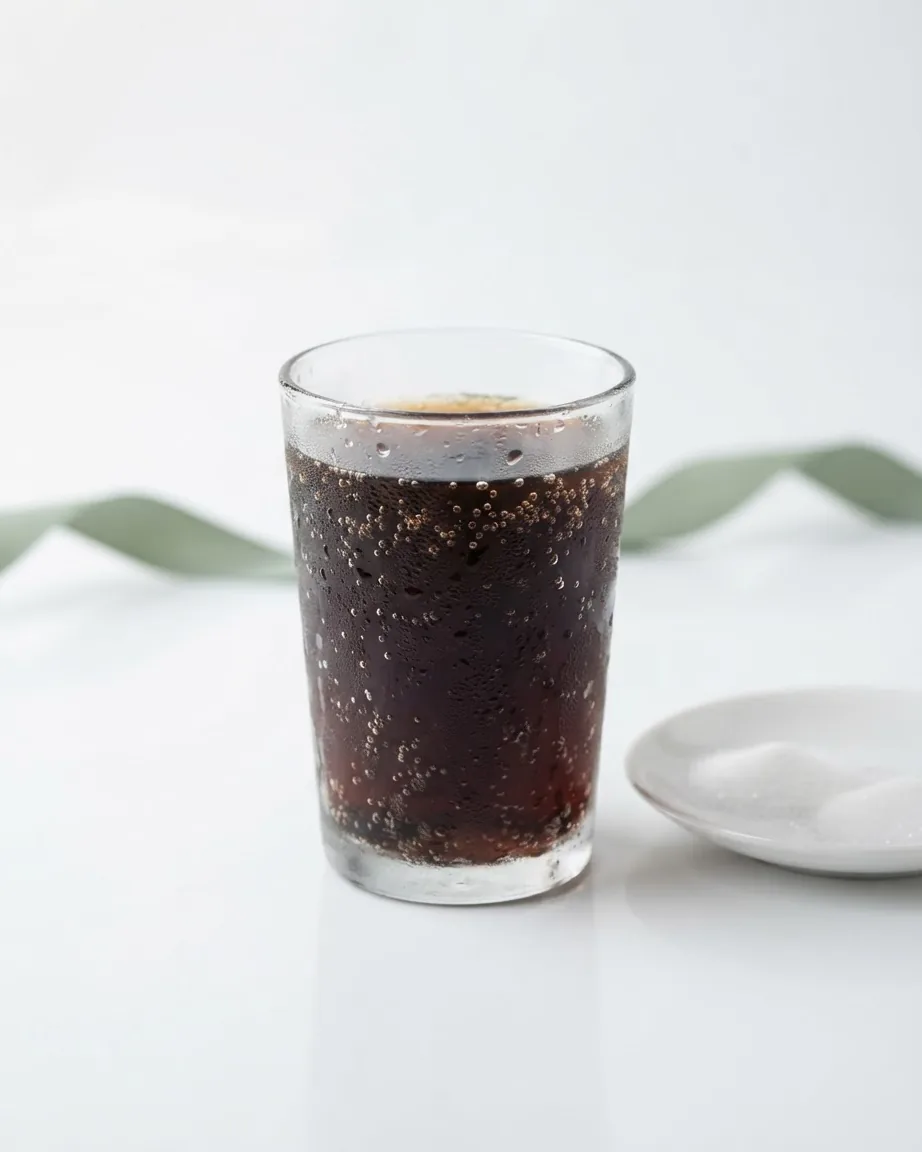
The US formula, as declared by The Coca-Cola Company, runs: carbonated water, caramel color, phosphoric acid, aspartame, potassium benzoate, potassium citrate, acesulfame potassium, caffeine, and stevia extract. Three of those entries are sweeteners working together:
- Aspartame – a high-intensity sweetener that carries the bulk of the sugar-replacement job.
- Acesulfame potassium (Ace-K) – paired with aspartame to round out the sweetness profile.
- Stevia extract – a plant-derived sweetener rounding out the blend.
The two synthetic sweeteners are potent by weight. The FDA notes that aspartame and acesulfame potassium are each roughly 200 times sweeter than table sugar, which is why a few milligrams replace the dozens of grams a sugared cola would need. The agency also publishes acceptable daily intakes for aspartame and acesulfame potassium. Those ceilings sit far above what a can or two delivers, which is the practical takeaway from the regulatory numbers.
Coke vs Coke Zero: Where 240 Calories and 65 Grams of Sugar Sit
The clearest way to read a zero-calorie cola is against the sugared original. Lose It! reports that a 20-ounce bottle of Coca-Cola holds 240 calories, 65 grams of sugar, and 75 milligrams of sodium – that last figure being 3 percent of the Daily Value. The zero-sugar bottle at the same 20 oz size stays at 0 calories and 0 g sugar. Sodium is comparable between the two at that volume; sugar and calories are where they split entirely.
| 20 fl oz bottle | Coca-Cola (regular) | Coca-Cola Zero Sugar |
|---|---|---|
| Calories | 240 calories | 0 calories |
| Sugar | 65 g | 0 g |
| Sodium | – | 70 mg |
Why the 65 grams matters: the Department of Agriculture’s Dietary Guidelines for Americans recommend keeping added sugars under 10 percent of daily calories. A single 20-ounce regular Coke can eat a large share of that allowance on its own, which is the trade the zero-sugar version is built to avoid. What it does not change is caffeine – a point worth keeping straight, and one the FAQ below settles. For the broader category of what does and does not round to zero on a soda label, the desk’s beverage nutrition guides track the same panels across brands.
What the Regulator Says About the Sweeteners vs. What the Studies Suggest
This is the question that generates the most noise, so it is worth separating the regulator’s position from the research headlines. The FDA maintains that aspartame is safe within the intake limit already noted, and it sets a defined acceptable daily intake rather than leaving the question open. That is the settled, enforcement-backed position.
The observational research is a different register. Healthline reports a large 2023 study of 105,588 participants with a 9.1-year follow-up that associated non-nutritive sweetener consumption with an increased risk of developing type 2 diabetes. On the same page, a separate 2023 study running 12 weeks found no difference in weight loss between people drinking water and people drinking beverages sweetened with non-nutritive sweeteners. Both are association or short-window findings, not causal verdicts about this product specifically, and the source itself repeatedly flags the overall evidence as mixed and inconclusive. The honest read: the regulator has a firm safe-intake limit; the population studies point in more than one direction and do not close the case.
Coke Zero vs. Diet Coke: The Acid That Sets the Two Apart
Two zero-calorie colas from the same company invite the question of what actually differs between them. On energy they are the same – both land at 0 calories with no sugar. The distinction the research points to is acid composition. A 2015 study described Coca-Cola Light (Diet Coke) as differing from Coke Zero mainly in that it carries both phosphoric and citric acid, where the zero-sugar formula uses phosphoric acid without the citric.
That matters because of enamel. A 2002 study on human teeth found citric acid erodes enamel more than phosphoric acid does, which suggests the zero-sugar cola may be marginally gentler on teeth than the citric-acid-containing diet cola. This is a laboratory observation about acids, not a dental recommendation, and the effect described is slight. But if you were choosing between the two on that single axis, the acid line on the ingredient list is the thing that separates them, not the calorie count.
Divide one into the other and the answer is 11.76 cans – so on Coke Zero alone the eleventh can keeps you under, and the twelfth is where a caffeine-only day tips over the reference:
- 11 cans = 34 x 11 = 374 mg – still below the 400 mg mark.
- 12 cans = 34 x 12 = 408 mg – the first can that crosses it.
FAQ
Does Coke Zero have any calories or carbs at all?
On the standard can, both the calorie line and the total sugars line read zero, so the formula carries no meaningful carbohydrate or protein contributing energy. What the drink does add is 34 mg of caffeine and a modest sodium amount, neither of which supplies calories. The zero reflects sweeteners replacing sugar, not the removal of every listed component from the panel.
How many cans reach the FDA caffeine reference, and who should watch it?
One 12 oz can logs 34 mg. Coffee, tea, and energy drinks consumed the same day all count toward that total, so a running tally across every source tells you more than the count from any single can does.
Is Coke Zero nutritionally identical to Diet Coke?
On energy they match, both sitting at 0 calories and 0 g sugar. The formulas separate on acid: the diet cola uses both phosphoric and citric acid, while the zero-sugar cola relies on phosphoric acid alone. A 2002 enamel study flagged citric acid as the harsher of the two, which is the one practical wrinkle distinguishing an otherwise near-identical pair.
Does regular Coke have more caffeine than Coke Zero?
No. Both log 34 mg per 12 oz, so switching to the zero-sugar version changes the sugar and calorie lines, not the caffeine. Where they diverge is sugar: a 20 oz regular Coke carries 65 g and 240 calories, while the zero-sugar bottle at the same size holds none. Caffeine is the constant; sugar and calories are the variables.