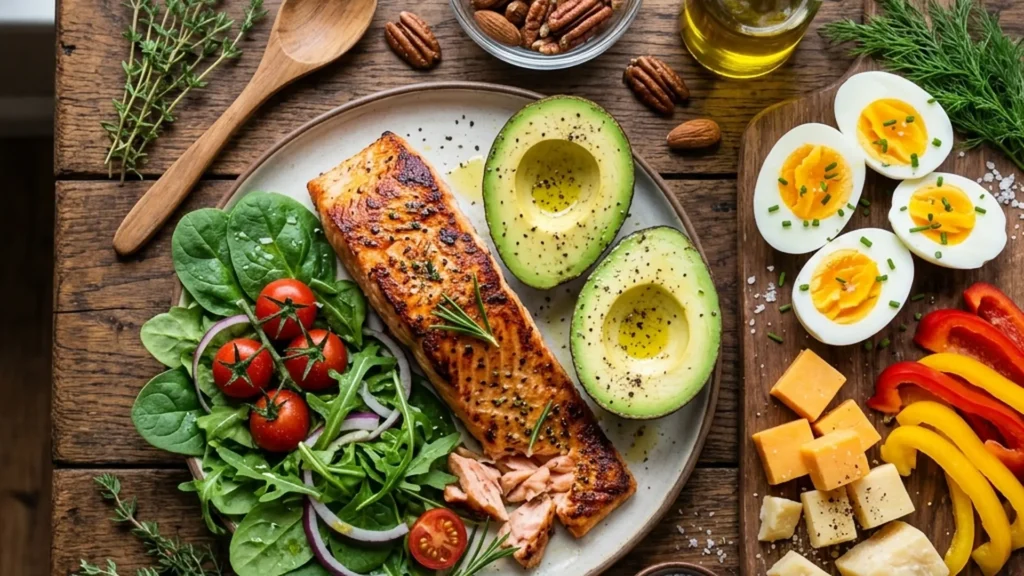
Keto diet guides love to explain ketosis and then leave you staring at your pantry with no idea what to actually cook for dinner. The keto diet is a high-fat, very-low-carb way of eating that pushes your body to burn fat for fuel instead of glucose, and the theory is simple enough. The hard part is the daily reality: what goes on the plate, how to hit the carb limit without living on bacon, and how to make the food taste like something you want to eat again tomorrow. That is the gap this guide fills. I am coming at keto from the kitchen, not the clinic, with the swaps, the math, and the batch-cooking habits that make a low-carb week run smoothly. Before anything else, one honest note: keto is a real metabolic change, and it is not right for everyone, so check with your doctor before you start, especially if you take medication or have a health condition.
With that said, the food side of keto is very learnable. Get a handful of swaps and one piece of math down, and the rest falls into place. The cooks who succeed at keto are not the ones with the most willpower; they are the ones who set up their kitchen so the easy choice is also the low-carb one. That is a practical problem, and practical problems have practical solutions, which is what the rest of this guide is about.
The One Number That Matters: Net Carbs
Keto runs on carb restriction, and the number most people aim for is 20 to 50 grams of net carbs per day, with 20 being the strict end that reliably keeps you in ketosis. Net carbs, not total carbs, are what you track. Here is the math, because the big guides assume you already know it. Net carbs equal total carbohydrates minus fiber, and minus most sugar alcohols if a product lists them. Fiber is a carbohydrate your body does not absorb for energy, so it does not count against your limit. That is why a cup of leafy greens is basically free on keto despite showing carbs on the label.
A quick example. An avocado shows about 12 grams of total carbs but around 9 of those are fiber, leaving roughly 3 net carbs. That is why avocado is a keto staple. Compare that to a slice of bread at 13 net carbs, where the fiber is minimal. Once you read labels this way, the whole diet clicks. You stop fearing fibrous vegetables and start spotting the real carb bombs.
How Ketosis Actually Works, in Plain Terms
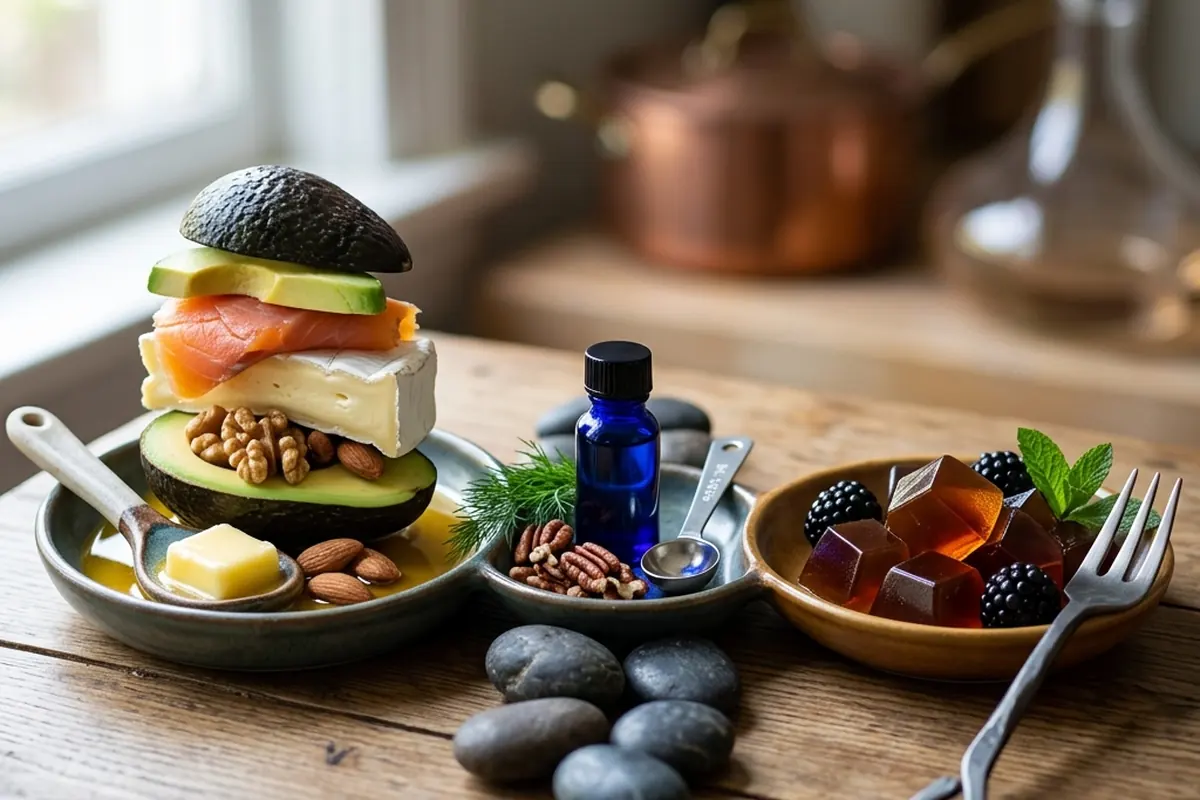
Your body’s default fuel is glucose, which it gets from carbohydrates. When you cut carbs low enough, that supply runs down, and your liver starts converting fat into molecules called ketones, which your brain and muscles can burn instead. That metabolic switch is ketosis, and reaching it usually takes two to four days of staying under your carb limit. You can feel the shift: hunger often levels off, energy steadies once you adapt, and the constant snacking urge fades. It is worth understanding this mechanism, because it explains why a single high-carb meal can knock you out of ketosis and send you back to glucose-burning for a day or two. Consistency is not a moral test on keto; it is just how the chemistry works. One big plate of pasta and your liver happily switches back to the easier fuel.
This is also why the diet asks for patience in the first week or two. Your body has spent years running on glucose, and it needs time to get efficient at making and using ketones. People who quit on day three because they feel sluggish are quitting right before the part where it gets easier. Give it at least two weeks before you judge how keto feels for you.
What to Eat, and What to Leave Alone
| Eat freely | Eat carefully | Avoid |
|---|---|---|
| Meat, poultry, fish, eggs | Berries, in small amounts | Bread, pasta, rice |
| Leafy and non-starchy vegetables | Tomatoes, onions, peppers | Sugar, soda, juice |
| Avocado, olive oil, butter | Nuts (count them) | Potatoes, corn, beans |
| Cheese, full-fat dairy | Greek yogurt, low-sugar | Most fruit, honey, syrup |
The “avoid” column is mostly the foods that built the standard American plate, which is why keto feels like a big change at first. Beans are a good example of the nuance: they are healthy and high in fiber, but they carry too many net carbs for keto, so a serving of refried beans that shines on a normal diet does not fit a strict keto day. On the other hand, a thick, low-sugar Greek yogurt can work in moderation; checking the label on something like a triple-zero Greek yogurt shows how a high-protein dairy with little sugar can earn a spot when many other dairy snacks cannot. Reading labels is the whole game.
The Different Versions of Keto
Not all keto is the same, and the version most beginners want is the simplest one. The standard ketogenic diet is the baseline: high fat, moderate protein, very low carb, eaten consistently. This is what this guide describes and what most people should start with. From there, variations exist for specific needs. A higher-protein version bumps the protein up a bit and suits people who lift weights or struggle with hunger, at the cost of being slightly less deep in ketosis. Cyclical and targeted versions, where you eat more carbs around workouts or on certain days, are aimed at athletes and serious trainers, and they add complexity most people do not need. My advice is to ignore the variants until you have run plain standard keto for a month or two. Master the basic version, get comfortable reading labels and cooking the swaps, and only then consider whether a tweak actually serves a goal you have. Chasing the advanced versions too early is a fast way to overcomplicate something that works best when it is kept simple.
The Swap Table: Keep Your Favorite Meals
You do not have to give up the shape of your meals, just the carb-heavy core. This is the part the theoretical guides skip, and it is the part that keeps people on keto.
| Instead of | Use | Why it works |
|---|---|---|
| White rice | Riced cauliflower | Same texture, a fraction of the carbs |
| Pasta | Zucchini noodles, shirataki | Carries sauce, very low net carb |
| Wheat flour | Almond or coconut flour | Fat and fiber replace starch |
| Mashed potatoes | Mashed cauliflower | Creamy, low-starch base |
| Bread bun | Lettuce wrap, portobello | Holds the fillings, near-zero carb |
| Sugar | Erythritol, monk fruit | Sweet without blood-sugar spike |
Cauliflower is the keto workhorse. Riced, mashed, roasted, or blitzed into a pizza base, it stands in for an astonishing range of starches. Buy it pre-riced to save time, and squeeze out moisture before cooking so it crisps instead of steams. That one tip fixes most complaints about watery cauliflower rice.
The Keto Flu and the Electrolyte Fix
In the first week, plenty of people feel awful: headache, fatigue, brain fog, maybe muscle cramps. This is the keto flu, and it is not the diet failing. It is your body shedding water and, with it, electrolytes. When you cut carbs, your kidneys flush sodium fast, and potassium and magnesium follow. Replace them and the symptoms largely vanish, often within a day.
The targets that work for most people: aim for 3 to 5 grams of sodium a day (salt your food generously, sip salted broth), around 3 to 4 grams of potassium from avocados, leafy greens, and salmon, and 300 to 400 milligrams of magnesium from nuts, seeds, and greens or a supplement. A cup of salty bone broth in the afternoon during week one is the simplest single fix I know. People quit keto in the first week far more often than they should, and electrolytes are usually the reason they did not have to.
A Sample Keto Day, With the Math
| Meal | What you eat | Net carbs (g) |
|---|---|---|
| Breakfast | Eggs scrambled in butter, avocado | 4 |
| Lunch | Big salad, olive oil, grilled chicken, cheese | 6 |
| Snack | A small handful of almonds | 3 |
| Dinner | Salmon, cauliflower mash, roasted broccoli | 6 |
| Total | 19 |
That lands under 20 net carbs, the strict ketosis threshold, while eating real, satisfying food all day. Notice there is no calorie counting here. On keto, the fat and protein keep you full, and most people naturally eat less without trying, which is part of the appeal. Adjust portions to your own hunger, and add more fat such as a drizzle of olive oil if you find yourself hungry between meals.
The Hidden-Carb Traps
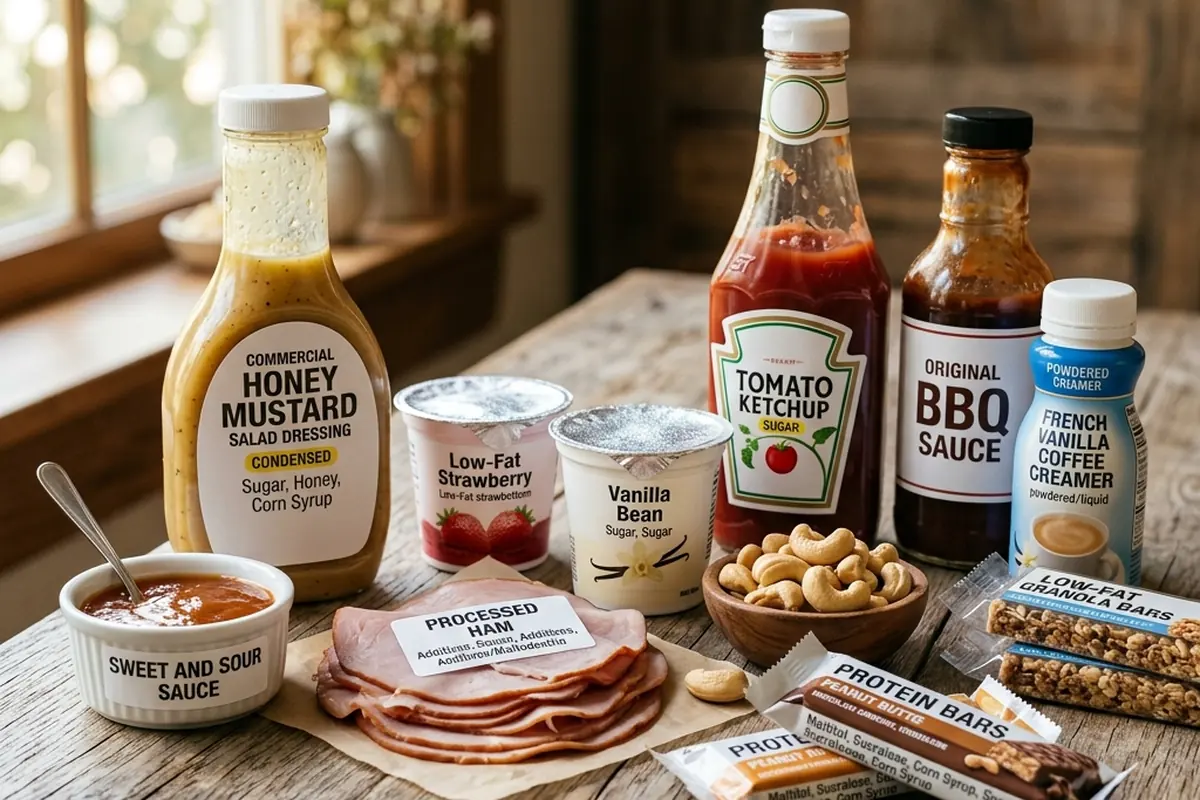
The carbs that knock people out of ketosis are almost never the obvious ones. They hide in sauces and condiments: ketchup, barbecue sauce, teriyaki, and many salad dressings are loaded with sugar. They hide in “low-carb” packaged products that count on you not reading the label. They hide in fruit, which feels healthy but is mostly sugar by keto standards, and in starchy vegetables like peas, corn, and potatoes. Even a splash of milk in coffee adds up over a day. The defense is simple but constant: read labels, count the net carbs in everything, and be suspicious of anything in a package that markets itself as keto-friendly. Whole foods you cook yourself almost never surprise you. Processed foods almost always do.
Batch Cooking and Stocking a Keto Kitchen
Keto runs smoothly when the kitchen is set up for it. Stock the pantry with olive and avocado oil, canned fish, nuts, seeds, almond and coconut flour, and a keto-friendly sweetener. Keep the fridge full of eggs, cheese, full-fat dairy, leafy greens, and non-starchy vegetables. Then cook in batches, because the failure mode of keto is getting hungry with nothing prepared and grabbing whatever is around. Hard-boil a dozen eggs at the start of the week. Roast two trays of vegetables. Cook a batch of shredded chicken or ground beef you can drop into salads, wraps, and bowls all week. With keto components ready in the fridge, a meal is just assembly, and you are far less likely to break the diet out of sheer convenience.
The Most Common Keto Mistakes
A few errors trip up nearly every beginner, and knowing them ahead of time saves weeks of frustration. The first is eating too much protein and not enough fat. Keto is a high-fat diet, not a high-protein one, and excess protein can be converted to glucose, which works against ketosis. Fat should be the bulk of your calories. The second mistake is fearing fat out of old habit, so people eat lean chicken and undressed salads, end up starving, and break the diet within days. Pour on the olive oil, eat the avocado, cook with butter. That fat is the point.
The third is ignoring electrolytes, which we covered, and it is the single biggest reason for the keto flu. The fourth is trusting “keto” labels on packaged snacks instead of reading the actual net carbs, which are often higher than advertised. And the fifth is not eating enough vegetables. Keto is not a meat-only diet; non-starchy vegetables give you fiber, vitamins, and the volume that keeps meals satisfying. A plate that is all bacon and cheese will leave you constipated and deficient. Build meals around protein plus a generous pile of low-carb vegetables plus added fat, and most of these mistakes solve themselves.
Eating Out and Staying Social
Keto does not have to make you a hermit. Restaurants are easier than you think once you know the moves. Order a protein and ask for vegetables or a salad instead of the starch, which most kitchens will do without blinking. Burgers come without the bun, wrapped in lettuce. Steakhouses are practically built for keto. At a friend’s house, eat the roast and the green vegetables, skip the rolls and the potatoes, and bring a keto-friendly dish so there is something you can rely on. The trap is drinks: cocktails and beer are full of carbs, while dry wine and spirits with soda water are far lower. Plan for the carbs you cannot avoid and let the rest go. One imperfect meal will not undo your progress, as long as it stays the exception.
For tested recipes that already do the carb math for you, the keto recipe collection from a serious test kitchen is a reliable place to build a rotation, and for a clear-eyed look at the evidence and the cautions, the Harvard nutrition source review of the ketogenic diet is worth reading before you commit.
Frequently Asked Questions
How many carbs can I eat on keto?
Most people aim for 20 to 50 grams of net carbs per day, with 20 being the strict threshold that reliably triggers ketosis. Net carbs are total carbohydrates minus fiber and most sugar alcohols, so fibrous vegetables count for less than the label suggests.
What are net carbs?
Net carbs are the carbohydrates your body actually absorbs for energy: total carbs minus fiber, and minus most sugar alcohols if a product lists them. Fiber passes through without raising blood sugar, which is why leafy greens and avocado are keto-friendly despite showing carbs on the label.
What is the keto flu and how do I fix it?
The keto flu is the headache, fatigue, and cramps many people feel in the first week as the body sheds water and electrolytes. Fix it by replacing sodium, potassium, and magnesium: salt your food, sip broth, and eat avocados, greens, and nuts. Symptoms usually fade within a day of doing this.
Can I eat fruit on keto?
Most fruit is too high in sugar for keto, but berries are the exception. Strawberries, raspberries, and blackberries are relatively low in net carbs and high in fiber, so a small portion fits. Treat bananas, grapes, and tropical fruit as off-limits while you are in ketosis.
Is the keto diet safe for everyone?
No. Keto is not appropriate for some people, including those with certain kidney, liver, or pancreatic conditions, and it can interact with medications such as those for diabetes and blood pressure. Talk to your doctor before starting, particularly if you take medication or have a chronic condition.
Do I have to count calories on keto?
Usually not. The high fat and protein keep you full, so most people naturally eat less without counting. You do need to track net carbs to stay in ketosis, but for many people the appetite control means calories take care of themselves.
Bottom Line
The keto diet is far more doable from the kitchen than the textbook makes it sound. Learn to count net carbs, lean on a few reliable swaps led by cauliflower, fix the keto flu with electrolytes in week one, and batch cook so there is always something ready. Watch the hidden carbs in sauces and packaged foods, build meals from whole ingredients, and check with your doctor before you begin. Do that and low-carb eating becomes a sustainable way to cook rather than a week of misery you abandon.