One 12 fl oz can of Prime Energy carries 200 mg of caffeine. That figure, logged by the specialist database Caffeine Informer, is the fact most shoppers get wrong, because they assume every product wearing the Prime label is the same drink. It is not. These prime nutrition facts cover two separate beverages sold under one brand: a caffeine-free bottled sports drink and a canned energy drink with more caffeine than a cup of coffee. The Tastybend Nutrition Desk pulls the numbers below from manufacturer declarations, poison-control guidance, a registered dietitian’s analysis, and public nutrition databases, structured into reference tables so the differences are visible at a glance.
Quick answer: Prime sells two drinks. Prime Hydration is a bottled, caffeine-free sports drink at roughly 20 calories per bottle with 10 mg sodium and 700 mg potassium. Prime Energy is a canned drink with 200 mg of caffeine per 12 fl oz, sugar-free, sweetened with sucralose. A single Energy can exceeds the 100 mg daily caffeine ceiling pediatricians set for teens. Prime Hydration’s electrolyte mix runs very low in sodium and very high in potassium, which is unusual for sweat replacement, and two bottles a day can push a child past the vitamin A upper limit. Match the product to the label before you decide.
Prime Hydration vs. Prime Energy: which one has the caffeine
The brand runs two product lines that share a logo and almost nothing else on the nutrition panel. Prime Hydration is a sports drink that contains no caffeine and ships in bottles. Prime Energy is a highly caffeinated canned drink. That split is stated plainly by both national reporting and toxicology guidance, which matters because the two are stocked side by side on the same shelf.
The New York Times, reporting on the FDA and Congressional scrutiny the brand drew in 2023, described the arrangement directly: Prime offers a caffeine-free sports drink and a separately marketed, highly caffeinated energy drink. The National Capital Poison Center reinforces the distinction from the safety side, noting that Prime Hydration and the Prime UFC 300 line do not contain caffeine and are supplied in bottles, with powder formulations of Hydration also on the market. Each can of Prime Energy, by contrast, contains 200 mg of caffeine.
The practical takeaway: if it is in a bottle, it is almost certainly the caffeine-free Hydration or a UFC-branded Hydration variant. If it is in a can, treat it as the 200 mg Energy product until the panel says otherwise. Buying by color or flavor name alone is how a caffeinated can ends up in a lunchbox that was meant to hold the sports drink.
How Prime Energy’s 200 mg caffeine stacks up against coffee and Red Bull
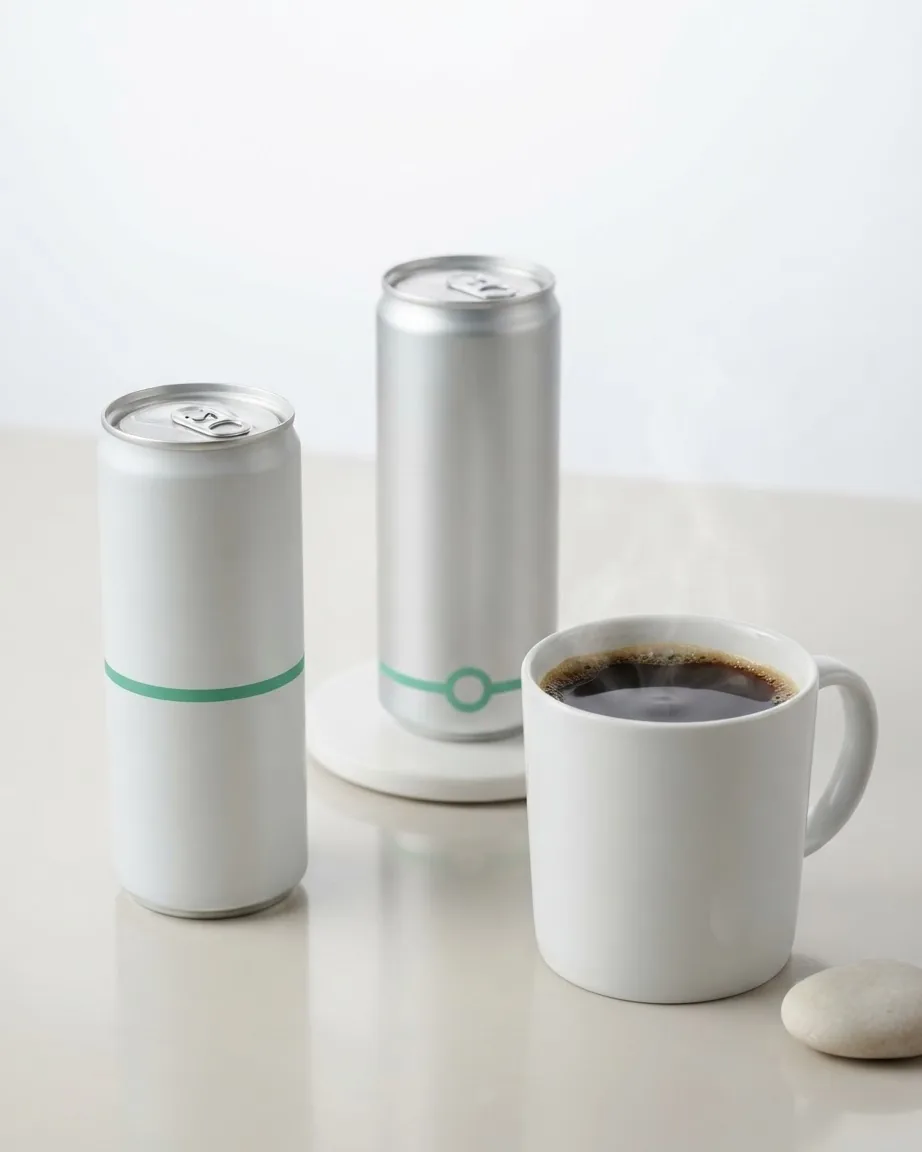
A bare “200 mg” is hard to judge without a yardstick. The New York Times supplied two familiar ones: a 12-ounce Prime Energy contains 200 mg of caffeine, compared with 114 mg in a 12-ounce can of Red Bull or 100 mg in a cup of coffee. So one Prime Energy can delivers roughly the caffeine of two cups of coffee, or of nearly two cans of Red Bull, in the same 12-ounce pour.
That comparison turns actionable against pediatric guidance. Pediatricians recommend that children under 12 avoid caffeine entirely, and that those aged 12 to 18 consume no more than 100 mg per day. Set the two figures next to each other and the arithmetic is unavoidable: a single 12 fl oz can, at 200 mg, is double the entire recommended daily caffeine allowance for a teenager. For a general adult reference point of about 400 mg per day, one can is roughly half a day’s caffeine in a single drink.
The launch context is worth keeping. Caffeine Informer records Prime Energy as a sugar-free, low-calorie drink introduced in 2023, carrying 200 mg of caffeine and 300 mg of electrolytes per serving. One caution on the caffeine-per-container claim: these 200 mg figures are all reported for the 12 fl oz can. Some retail listings describe a larger 16 oz Energy size, and caffeine totals should be read against the can size actually printed on the container rather than assumed constant across formats.
Is Prime Hydration a good electrolyte drink? The sodium-potassium problem
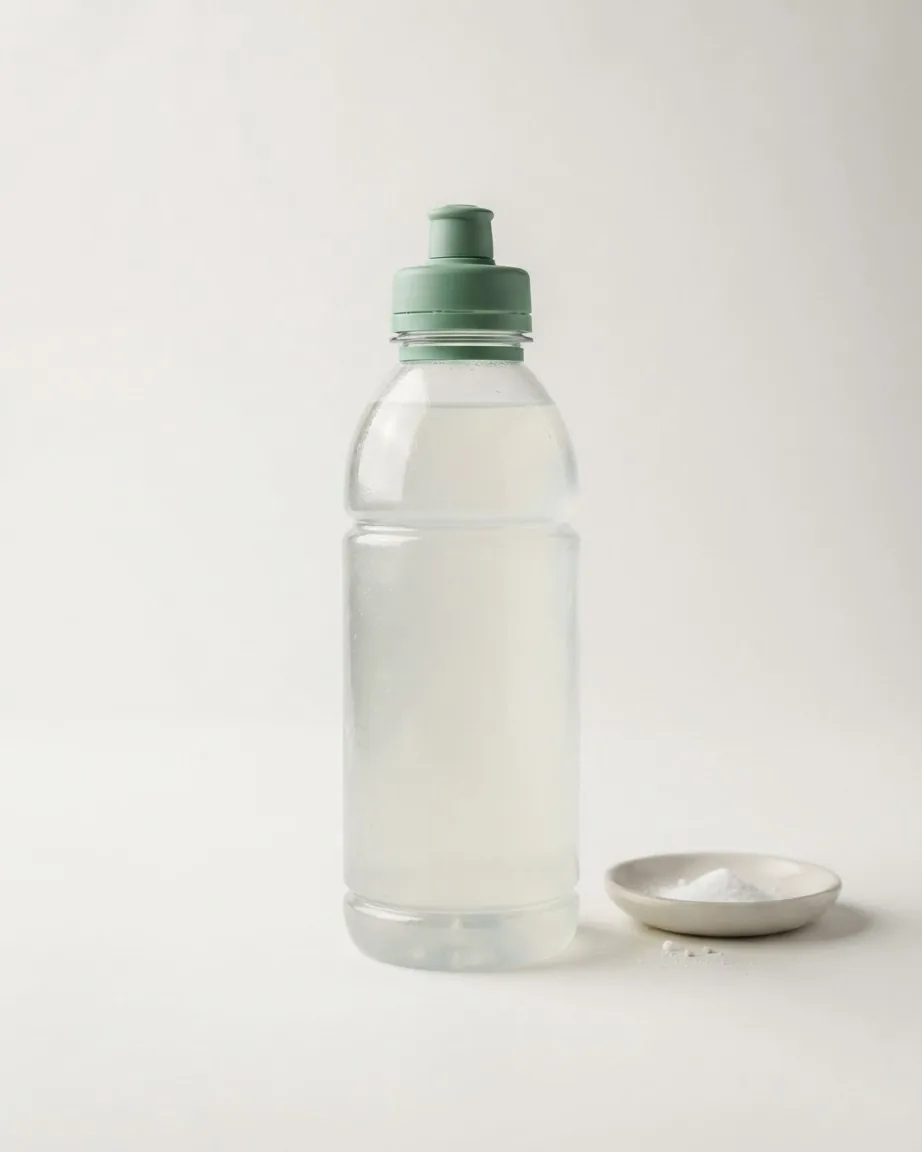
Prime Hydration is marketed on hydration, so the electrolyte balance is the number that should decide whether it earns a place in a gym bag. Here the label and a clinical read diverge from the marketing. According to a per-bottle breakdown compiled by Eat This Much, one bottle contains 20 calories, 6 g of carbohydrate, 1 g of sugar, 10 mg of sodium, and 700 mg of potassium, with the macronutrient split running essentially all carbohydrate and no fat or protein.
Those two mineral numbers are the issue. Sweat is dominated by sodium loss, and conventional sweat-replacement drinks are built around sodium first. Prime Hydration inverts that. Registered dietitian Alyssa Fontaine of Family Dietitians characterizes the mix as oddly proportioned: very high in potassium, high in magnesium, and very low in sodium. At 10 mg of sodium against 700 mg of potassium per bottle, the ratio is the reverse of what a heavy-sweat session actually depletes.
For a reader deciding what to hand a soccer player after a hot match, that resolves cleanly: the profile does not match the electrolyte a sweating body loses most. It is closer to a lightly flavored, low-sugar drink than to a targeted sports rehydration formula. One boundary on the figures above: the 20-calorie entry is a single database record, and calorie counts do drift flavor to flavor across the line, so read it as one representative bottle rather than the whole range.
For a genuinely sodium-forward option, the wider drinks section covers the sports-drink category in more depth, and the potassium comparison lands differently once you have another product’s panel next to it.
Can you drink too much Prime Hydration? The vitamin A ceiling
The caffeine debate has crowded out a quieter risk that lives inside the caffeine-free bottle. Prime Hydration is fortified, and fortification stacks with volume. Family Dietitians flags the specific threshold: drinking two bottles per day supplies 1,800 mcg of vitamin A, and the maximum tolerable daily intake of vitamin A for children aged 9 to 13 is 1,700 mcg. Two bottles therefore overshoot that pediatric ceiling by 100 mcg from this drink alone, before any food is counted.
This matters precisely because Hydration is the version marketed as the wholesome, caffeine-free choice, the one a parent feels comfortable buying in a multipack. The over-consumption failure mode here is not a caffeine jolt; it is a fat-soluble vitamin accumulating past a defined limit in a child who treats the drink as water. The 1,700 mcg figure is specific to the 9-to-13 age band and should not be stretched to adults or other ages.
Vitamin A upper limits and how fortification adds up across a day are covered by the NIH Office of Dietary Supplements, which publishes the tolerable upper intake levels by age. The practical rule for the household: for a child, one bottle is the sensible cap for this line, and the “grab as many as you want” framing does not survive contact with the numbers.
Sucralose and coconut water: the Prime Energy ingredient constraints
Two ingredients in Prime Energy change the buying decision for specific readers, independent of the caffeine question. The National Capital Poison Center notes that Prime Energy contains sucralose, an artificial sweetener, which is how the drink hits sugar-free while staying sweet. Readers who avoid non-nutritive sweeteners on principle, or who find they react to them, will want that on the label before purchase rather than after.
Allergen warning
The second is an allergen consideration. Prime’s formulations use coconut water, and coconut is treated as a tree nut in some allergy contexts, which makes it a genuine screening item for a tree-nut-allergic household rather than a footnote. Anyone managing a nut allergy should read the full ingredient statement on the specific can or bottle in hand, because the presence of coconut-derived ingredients is the kind of detail a flavor-name-only purchase misses.
One note on scope: the electrolyte total reported for Energy (around 300 mg per serving from Caffeine Informer, with some reformulated retail listings citing higher figures for larger sizes) describes the Energy line and is not interchangeable with Hydration’s separately measured sodium and potassium. Two products, two ingredient decks, two different sets of constraints.
Prime nutrition facts table: serving, can, and bottle totals
Below is the consolidated reference. The Prime Energy row reports caffeine per 12 fl oz can; the Prime Hydration row reports one full bottle. For a drink, the container total is the number that governs consumption, so these are stated as the whole can and the whole bottle, not a fractional serving.
- Prime Energy (12 fl oz can): caffeine 200 mg; sugar-free (0 g sugar); low-calorie; approximately 300 mg electrolytes; sweetened with sucralose; launched 2023. Source: Caffeine Informer; caffeine content confirmed by the National Capital Poison Center and The New York Times.
- Prime Hydration (1 bottle): 20 calories; 6 g carbohydrate; 1 g sugar; 0 g fat; 0 g protein; 10 mg sodium; 700 mg potassium; caffeine-free. Source: Eat This Much per-bottle entry.
- Caffeine yardsticks (12 oz): Red Bull 114 mg; brewed coffee about 100 mg per cup; Prime Energy 200 mg. Source: The New York Times.
- Pediatric caffeine ceiling: under 12, none; ages 12 – 18, no more than 100 mg per day. Source: The New York Times, citing pediatric guidance.
- Vitamin A ceiling (ages 9 – 13): tolerable upper intake 1,700 mcg/day; two Hydration bottles supply 1,800 mcg. Source: Family Dietitians.
The macro line to remember: Prime Hydration is a near-zero-macro, potassium-heavy bottle, while Prime Energy is a sugar-free caffeine vehicle. Neither is a protein or calorie source. Readers who track a full macro panel across foods can see the contrast against a dense item like beef filet mignon or a fortified pick like Oikos Triple Zero, where protein and calories actually carry the panel.
Which Prime fits which situation
The decision reduces to who is drinking and why. For a teenager, Prime Energy is the one to keep out of daily rotation: at 200 mg per can it is twice the 100 mg the pediatric guidance allows for that age group, and for a child under 12 it is off the table entirely. Prime Hydration is caffeine-free and clears that hurdle, but its very-low-sodium, very-high-potassium profile means it is not the sports drink to reach for during heavy sweating, and the two-bottle-a-day vitamin A overshoot argues for capping a child at one bottle.
For an adult using Prime Energy as a coffee substitute, one can is roughly two coffees’ worth of caffeine, which is a reasonable frame for pacing across a day. Sucralose and coconut-derived ingredients remain the two screening items regardless of age. The single habit that prevents most missteps is reading the container in hand rather than the brand on the front, because “Prime” alone does not tell you whether you are holding 200 mg of caffeine or none.
How Many Cans (and Bottles) Cross the Line: Prime by the Numbers
Every figure below is worked from numbers already on this page, so you can see at a glance where each drink crosses a limit the article names. The two products fail in opposite directions: Energy blows past caffeine ceilings on the first can, while Hydration quietly stacks vitamin A across bottles.
Prime Energy caffeine (200 mg per 12 fl oz can):
- Against the 100 mg/day ceiling pediatricians set for 12-to-18-year-olds, one can is 200 ÷ 100 = 2× a teen’s entire daily allowance – a single can lands 200 − 100 = 100 mg over the limit.
- Against the ~400 mg/day adult reference point in the article, one can is 200 ÷ 400 = half a day’s caffeine in one drink.
Prime Hydration vitamin A (2 bottles = 1,800 mcg) vs. the 1,700 mcg upper limit for ages 9 – 13:
- Two bottles overshoot the ceiling by 1,800 − 1,700 = 100 mcg, from the drink alone before any food.
Prime Hydration electrolyte balance (10 mg sodium, 700 mg potassium per bottle):
- The mix runs 700 ÷ 10 = 70 parts potassium to 1 part sodium, the reverse of what a heavy-sweat session depletes and the arithmetic behind the dietitian’s “oddly proportioned” verdict.
FAQ
Does all Prime have caffeine?
No. Only Prime Energy, sold in cans, contains caffeine, at 200 mg per 12 fl oz. Prime Hydration and the Prime UFC 300 line are caffeine-free and sold in bottles, with powder Hydration formulations also available. The National Capital Poison Center and The New York Times both draw this line between the two product types.
How much sugar is in Prime?
They differ. Prime Energy is sugar-free, using sucralose for sweetness, per Caffeine Informer and poison-control guidance. Prime Hydration carries about 1 g of sugar per bottle within 6 g of total carbohydrate and 20 calories, per the Eat This Much entry. Neither product is a meaningful sugar source compared with a standard full-sugar soda.
Is Prime Hydration a real sports drink?
Its electrolyte balance is unusual for one. A registered dietitian at Family Dietitians describes the mix as very high in potassium, high in magnesium, and very low in sodium. At 10 mg sodium against 700 mg potassium per bottle, it does not replace the sodium sweat loses most, so it functions more as a light, low-sugar beverage than a targeted rehydration drink.
Is Prime safe for kids?
Prime Energy is not, given 200 mg of caffeine per can against a 100 mg teen daily ceiling and a no-caffeine recommendation under 12. Caffeine-free Prime Hydration is a closer fit, but two bottles a day supply 1,800 mcg of vitamin A, above the 1,700 mcg upper limit for ages 9 to 13, so one bottle is the sensible cap. This is a topic where individual health needs vary. The figures above are compiled from published sources and manufacturer declarations, which can change without notice; anyone with allergy, caffeine, or pediatric concerns should confirm against the current label and, where relevant, a qualified professional.