Beef filet mignon nutrition starts with one number that surprises people: a 3 oz (85g) cooked, grilled portion of lean-trimmed tenderloin carries just 168 calories, according to USDA FoodData Central figures. That is leaner than most steaks earn credit for. The cut sits at the front end of the beef loin tenderloin steak filet mignon nutrition question that home cooks actually care about, which is whether a tender, expensive steak is also a smart protein. It mostly is, and the reasons are specific: 26.1 grams of protein, zero carbohydrates, and a vitamin B12 load that clears the full daily value in a single serving.
The catch is that every number moves. Portion size, trimming, and cooking each shift the plate in ways the label on the package never shows. That is what the rest of this breakdown handles, cut by cut and gram by gram, including the cooking-method differences and the raw-to-cooked math that most nutrition pages skip entirely.
Quick answer: A 3 oz (85g) cooked, grilled, lean-trimmed beef filet mignon holds 168 calories, 26.1 grams of protein, 7.1 grams of total fat, 2.8 grams of saturated fat, and 0 grams of carbohydrate. It supplies 3.9 micrograms of vitamin B12 (over 100 percent of the daily value) and 4 milligrams of zinc. Double the plate to 6 oz and those macros roughly double. Filet mignon is the leanest of the common premium steaks, which is why it fits low-carb and weight-management eating so cleanly.
Where filet mignon sits on the tenderloin, and why the location makes it lean
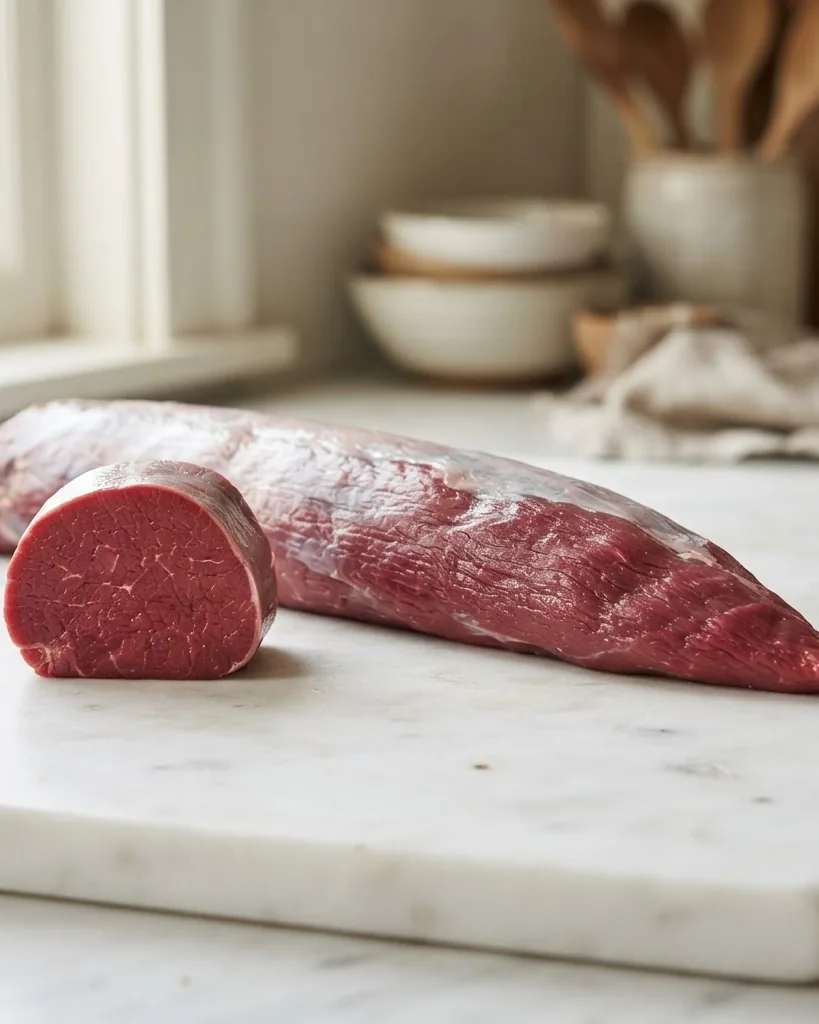
Filet mignon is cut from the tapered end of the beef tenderloin, a long muscle called the psoas major that runs along the inside of the spine. This muscle barely works during the animal’s life, so it develops almost no connective tissue and little intramuscular fat. That single anatomical fact drives the entire nutrition profile. Where a ribeye marbles heavily, the tenderloin stays lean, and a lean-trimmed 3 oz portion lands at 168 calories with 7.1 grams of total fat. When you see beef tenderloin filet mignon nutrition figures that run higher, they usually include the separable fat or a chain-on side cut.
The USDA groups this cut under “beef, loin, tenderloin steak” in its FoodData Central database, which is why product listings and menus rarely agree on wording.
A whole beef tenderloin typically weighs between 4 and 6 pounds before trimming. Butchers remove the psoas minor, the smaller side muscle sometimes called the chain, along with excess silverskin and connective tissue, before slicing individual filets. That trimming work is labor intensive, which is part of why filet mignon carries a premium price relative to less-worked but similarly connective-tissue-heavy cuts like chuck or round. The lower the exercise demand on a muscle, the less collagen it builds, and the tenderloin sees almost none of the daily stress that toughens cuts from the shoulder or leg.
- Center-cut filet: the uniform round from the middle of the tenderloin, leanest and most consistent.
- Chain-on or side cut: carries the attached side muscle and more separable fat.
- Tournedos: smaller medallions cut from the same lean center section.
- Chateaubriand: a thicker, center-cut roast portion typically carved tableside, sharing the same lean composition as the individual filet.
The exact macro breakdown for a cooked 3 oz portion
A 3 oz (85g) cooked, grilled beef filet mignon trimmed to 0-inch fat delivers 168 calories, 26.1 grams of protein, 7.1 grams of total fat, and 0 grams of carbohydrate, per USDA FoodData Central. Of that fat, 2.8 grams are saturated. There are 0 grams of dietary fiber and 0 grams of total sugars, so every calorie comes from protein and fat alone. Cholesterol lands at 79.1 milligrams and sodium at 50.2 milligrams before any salt hits the pan. For the beef filet mignon nutrition facts most cooks reach for, this is the anchor serving, and the U.S. Food and Drug Administration publishes the daily values that turn each gram into a percentage.
Run the fat math and the lean claim holds. At 7.1 grams of total fat across just 168 calories, the fat contribution stays modest for red meat. Protein carries the remaining majority of the calorie load, which is unusually high for a cut this tender.
The cholesterol and sodium figures deserve their own context, since they rarely appear next to the daily-value math that makes them meaningful. The traditional dietary guidance capped cholesterol intake at around 300 milligrams per day, and the 79.1 milligrams in a 3 oz filet stays well under that older benchmark in a single serving. Sodium tells the opposite story: at 50.2 milligrams, the amount sits far below the commonly cited 2,300-milligram daily sodium limit, which means most of the sodium on your plate likely comes from seasoning, not the meat itself.
Here is how the core macros read against FDA daily values:
| Nutrient | Per 3 oz (85g) | Percent DV |
|---|---|---|
| Calories | 168 | 8% |
| Protein | 26.1 g | N/A |
| Total fat | 7.1 g | N/A |
| Saturated fat | 2.8 g | N/A |
For a look at how a fattier, breaded starch compares on the same plate, the Tater Tot nutrition information: calories, sodium, and carbs breakdown shows where the carbohydrate load lands when you pair a side with this steak.
Scaling the plate: how 6 oz and 8 oz filets change the numbers
Portion size is the single biggest lever on beef filet mignon nutrition, and it scales almost linearly from the 3 oz reference. A 6 oz cooked filet roughly doubles the base figures to about 336 calories and 52.2 grams of protein, using 2 x 168 and 2 x 26.1. An 8 oz cooked steak, the most common restaurant pour, runs near 448 calories and about 69.6 grams of protein from 168 divided by 3 then multiplied by 8. Fat scales the same way, so an 8 oz lean filet carries roughly 18.9 grams of total fat from 7.1 divided by 3 times 8. Knowing this lets you plan protein targets without guessing.
These estimates assume the same lean-trimmed cut at every size. Fattier grades push the fat figures up.
- 3 oz (85g): 168 calories, 26.1 g protein, 7.1 g fat.
- 6 oz (170g): about 336 calories, 52.2 g protein, 14.2 g fat.
- 8 oz (227g): about 448 calories, 69.6 g protein, 18.9 g fat.
The protein density explains why weight-management eaters gravitate here. A single 6 oz filet comfortably clears the 50-gram daily value for protein while keeping calories modest.
The protein math also works well against body-weight targets.
Cooking method matters: grilled, pan-seared, and sous vide compared
The USDA reference figure of 168 calories per 3 oz applies specifically to a grilled, lean-trimmed filet, and cooking method is the variable most competitor pages skip. Grilling lets rendered fat drip away from the meat, which is part of why the grilled baseline stays lean. Pan-searing in a skillet, by contrast, often involves added butter or oil, and unless you drain that fat off the plate, the effective calorie count of the finished dish climbs well above the 168-calorie USDA figure, even though the raw meat itself is unchanged.
Sous vide cooking, which holds the steak in a temperature-controlled water bath before a quick finishing sear, tends to retain more of the steak’s natural moisture than high-heat grilling. Because less water evaporates during a lower, slower cook, a sous-vide filet can come out slightly heavier per raw ounce than an aggressively grilled one, though the core macro composition of the meat itself does not change. The finishing sear, done in a hot pan for color, is usually brief enough that it adds only a small amount of oil rather than the full tablespoon used in a pan-seared cook from raw.
A few practical takeaways follow directly from this comparison:
- Grilling keeps the dish closest to the 168-calorie, 7.1-gram-fat USDA baseline, since rendered fat mostly drips away.
- Pan-searing adds whatever fat you cook in, so measuring your butter or oil matters more than the steak itself.
- Sous vide with a quick sear lands between the two, with less fat added than a full pan-sear but slightly more retained moisture than grilling.
None of these methods change the protein, vitamin, or mineral content of the meat. They only change how much additional fat and how much water ends up on the final plate, which is exactly the context that raw database tables and product listings tend to leave out.
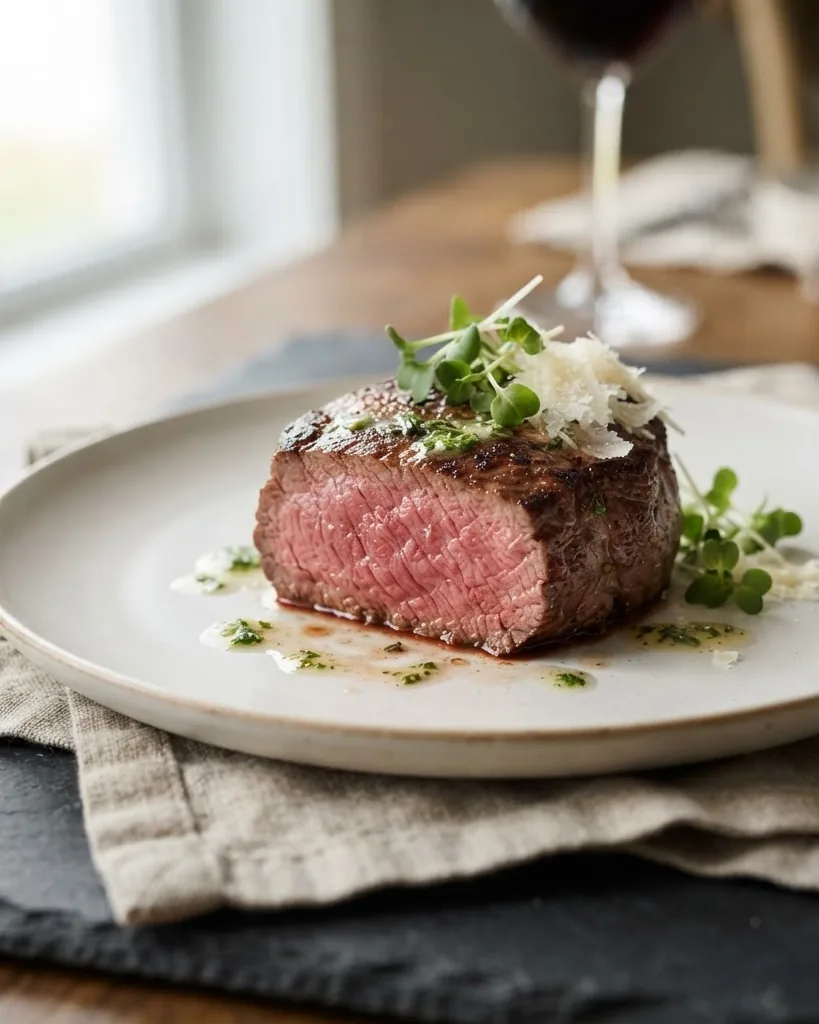
Raw versus cooked weight: the shrink you are paying for
The 3 oz USDA figure describes cooked meat, not the raw weight you buy at the counter, and the gap matters because muscle loses water on the grill. Grilling drives off moisture, so a raw steak weighs noticeably more than the cooked steak that lands on your plate. If you weigh a raw filet and log its raw weight against cooked-food nutrition data, you overstate calories and protein per gram, because the cooked entry already reflects the shrink. This is the conversion most listings skip entirely.
Working through a real example makes the gap concrete. A raw 6 oz filet, purchased at the counter, cooks down to a lighter cooked weight once moisture and rendered fat are lost, depending on doneness and cooking method. That means if your goal is a 6 oz cooked portion at roughly 336 calories and 52.2 grams of protein, you generally need to start with a heavier raw cut before it hits the pan or grill. Skipping this adjustment is the single most common reason home macro logs drift, since people weigh the steak once, before cooking, and then apply cooked nutrition data to that raw number.
Two practical rules keep the log honest:
- Weigh after cooking when using USDA cooked entries like the grilled tenderloin figure.
- Buy heavier raw if you want a target cooked weight, since water and rendered fat leave during the cook.
- If you must weigh raw, buy noticeably more than your target cooked weight before shopping, so the cooked result lands near your target.
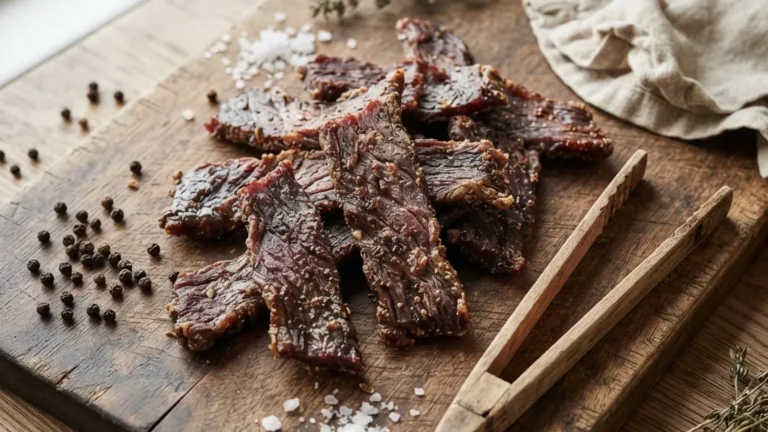
For a protein where the water has already left the building, the contrast with dried beef is stark. See the beef jerky nutrition breakdown of what the numbers actually say to understand how removing moisture concentrates protein and sodium per gram.
The takeaway: a filet’s cooked-versus-raw difference is mostly water, not lost nutrition. The protein largely stays; the mass shrinks.
The micronutrients that make filet mignon more than protein
Beyond macros, a 3 oz beef filet mignon is dense in trace nutrients that plant proteins rarely match in bioavailable form. USDA FoodData Central puts one 85g grilled portion at 3.9 micrograms of vitamin B12, which clears the 2.4-microgram daily value the U.S. Food and Drug Administration sets, at over 100 percent in a single serving. The same portion carries 4 milligrams of zinc and 3.1 milligrams of iron. These are the nutrients that make angus beef filet mignon nutrition genuinely useful for muscle recovery and metabolic health, not just satisfying.
The mineral density keeps going past iron and zinc.
- Selenium: 23.8 micrograms, key for thyroid and antioxidant enzymes.
- Phosphorus: 242.3 milligrams.
- Niacin (B3): 5.3 milligrams, and riboflavin at 0.37 milligrams.
The National Institutes of Health, through its Office of Dietary Supplements, notes that the vitamin B12 in animal foods is absorbed more readily than most supplemental or fortified forms, which is why a single steak covers a full day’s need where fortified plant foods often need larger volumes.
Protein quality is the quiet headline. The complete amino acid profile in beef supplies all nine essential amino acids in usable ratios, which is what tissue repair after training actually draws on. Iron from beef also arrives as heme iron, the form the body absorbs far more efficiently than the non-heme iron found in beans, spinach, or fortified cereal, which is part of why red meat remains a common recommendation for people managing low iron stores.
Zinc and selenium together support two separate but related systems: zinc plays a direct role in immune signaling and wound healing, while selenium works as a cofactor for antioxidant enzymes and thyroid hormone conversion. Getting a substantial share of both zinc’s and selenium’s daily value from one 3 oz serving means a typical 6 oz portion, doubled, can go a long way toward covering both minerals for the day.

How trimming and USDA grade rewrite the fat count
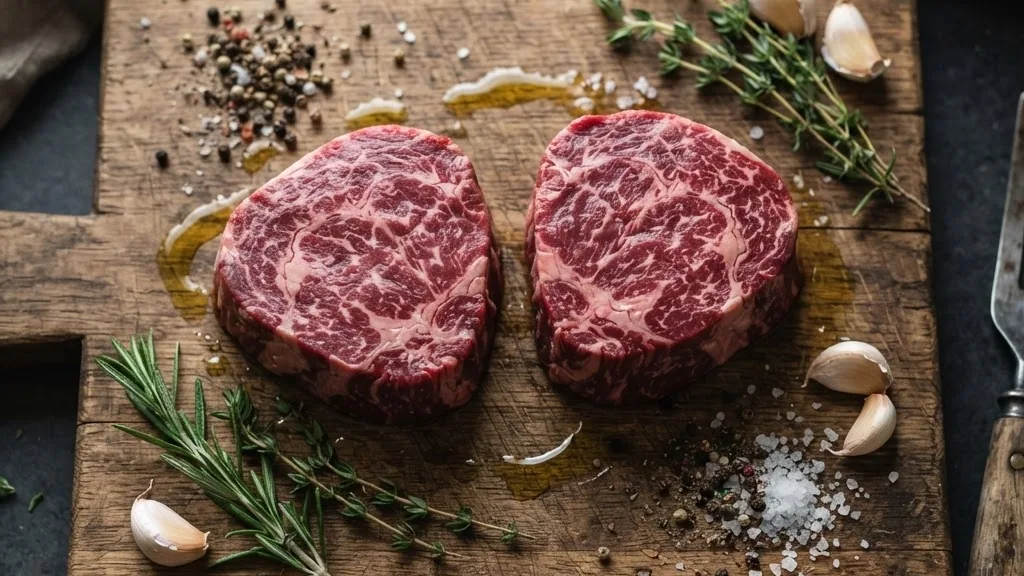
Two filets of identical weight can post different fat numbers depending on how they were trimmed and graded. The 168-calorie figure applies to a cut trimmed to 0-inch fat, separable lean only. Leave the separable fat on, or buy a chain-on side cut, and both total fat and saturated fat climb above the lean baseline. USDA quality grades layer on top of this: Prime carries the most marbling, Choice sits in the middle, and Select runs leanest. More marbling means more intramuscular fat, which raises calories per ounce even when the trimming is identical. This is the beef loin tenderloin steak filet mignon nutrition detail that changes what you should buy at the counter.
The USDA administers these grades through its Agricultural Marketing Service, and the same agency’s FoodData Central hosts the underlying composition data at the tenderloin steak nutrient record.
Before you pay premium prices, weigh what each choice does:
- Select, center-cut, trimmed: closest to the 7.1 g fat, 168-calorie baseline.
- Choice: more marbling, slightly higher fat and calories per ounce.
- Prime: most marbling, the highest fat load of the three grades.
Trimming style at the counter matters just as much as the grade stamp on the label. A center-cut filet trimmed of all separable fat, the version the USDA figure describes, is consistently leaner than a chain-on side cut of the same grade, because the side cut includes tissue from the psoas minor that carries more connective and fatty tissue than the center of the psoas major. When a butcher advertises a filet by weight alone without specifying trim, ask directly whether it is center-cut and trimmed to 0-inch fat, since that single question determines whether your steak is closer to the lean baseline or noticeably higher in both total and saturated fat.
Grass-fed versus grain-fed filet mignon: what actually changes
Marketing pages for grass-fed beef, including brand sites that highlight sourcing and pasture-raised claims, rarely publish a side-by-side nutrition label against grain-fed product, which leaves shoppers guessing at what the label difference actually looks like. The core macro structure of filet mignon, its protein content, its zero carbohydrate count, and its basic vitamin B12 and zinc levels, stays governed primarily by the cut of muscle rather than the animal’s diet. What tends to shift with grass-feeding, according to general nutrition science on cattle diets, is the fatty acid composition within the fat that is present, with grass-fed beef commonly showing a somewhat more favorable ratio of omega-3 to omega-6 fatty acids compared with grain-fed beef.
That shift happens within the fat fraction of the meat, not the protein or carbohydrate count, so a lean-trimmed grass-fed filet and a lean-trimmed grain-fed filet of the same grade and trim will still land close to the 168-calorie, 26.1-gram-protein baseline. The practical difference shows up more in flavor, in the fat’s texture, and modestly in the fatty acid profile than in the headline calorie or protein numbers most shoppers check first. Buyers chasing a specific fatty acid outcome should look for a lab-tested nutrition panel from the individual producer rather than relying on the word “grass-fed” alone, since pasture access and finishing diet can vary widely between ranches.
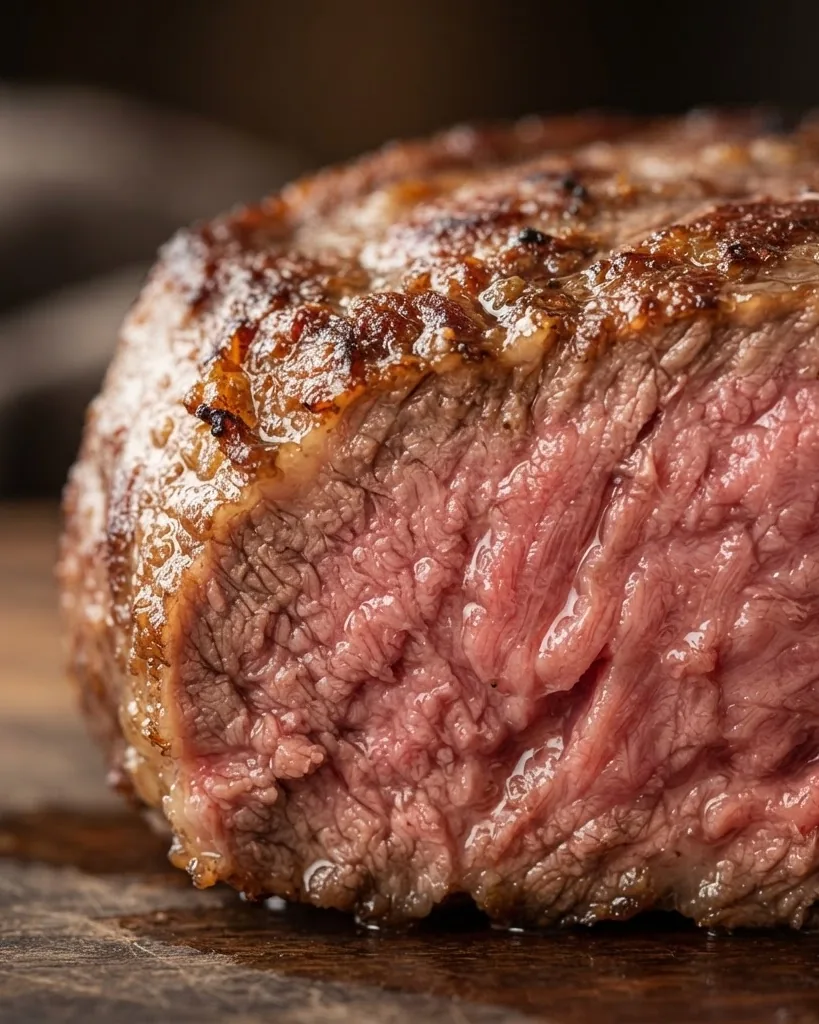
Fitting filet mignon into keto and weight-management eating
With 0 grams of carbohydrate and 26.1 grams of protein per 3 oz, filet mignon slots into low-carb and weight-management plans with almost no arithmetic. On a ketogenic pattern, the zero-carb count means it never touches your carbohydrate ceiling, and the 7.1 grams of fat per 3 oz is moderate enough that you control total fat through the pan rather than the cut. For calorie-controlled eating, the protein-to-calorie ratio does the heavy lifting: 26.1 grams of protein inside 168 calories is among the most efficient returns red meat offers. That density is why the cut earns its place in both camps.
A few placement notes keep it working:
- The 2.8 grams of saturated fat per 3 oz is a modest share of the FDA daily value, so a 6 oz portion stays moderate as well.
- Sodium starts low at 50.2 milligrams, meaning the salt you add is the salt you count.
- Pair with non-starchy vegetables to keep the meal carbohydrate-free.
For the broader framework on low-carb cooking, the keto diet home cook’s practical guide to eating low-carb lays out how a zero-carb protein like this anchors a day’s macros.
The Mayo Clinic and other clinical bodies still advise keeping saturated fat moderate across the week, so filet mignon works best as one lean protein among several rather than a daily default.
Common tracking mistakes and how to fix them
Most macro-logging errors around filet mignon trace back to three habits, and each has a simple fix once you know where the number came from. The first mistake is logging raw weight against cooked nutrition data, which inflates calories and protein because the cooked entry already reflects moisture loss. The fix is to weigh the steak once it comes off the heat, not before it goes on.
The second mistake is assuming every filet is trimmed the same way. A chain-on cut or an untrimmed Prime-grade filet will run higher in both total fat and saturated fat than the 7.1-gram, 2.8-gram lean baseline this article uses throughout, so logging every filet at the lean-trimmed figures will understate your actual fat intake if your butcher did not trim to 0-inch fat.
The third mistake is forgetting the cooking fat. A pan-seared filet finished in butter or oil can carry an extra 100 calories or more per serving that never shows up if you only log the steak itself. Logging the fat you cook with, separately from the meat, closes that gap and keeps the rest of these USDA-sourced figures accurate for your actual plate.
Frequently asked questions
Is filet mignon healthier than other steaks?
By fat content, yes. A 3 oz lean-trimmed filet holds 7.1 grams of total fat and 168 calories, making it the leanest of the common premium cuts. Fattier steaks like ribeye carry more marbling and calories per ounce. The tenderloin’s low-work muscle keeps intramuscular fat minimal while protein stays high at 26.1 grams.
How much protein is in an 8 oz filet mignon?
An 8 oz cooked, lean-trimmed filet holds roughly 69.6 grams of protein, calculated from the 26.1 grams per 3 oz USDA figure scaled up (26.1 divided by 3, times 8). That clears the full 50-gram FDA daily value for protein in a single serving, with calories landing near 448 for the same portion.
Does filet mignon have any carbs?
No. USDA FoodData Central lists filet mignon at 0 grams of carbohydrate, 0 grams of dietary fiber, and 0 grams of total sugars across standard cooked and raw profiles. Every calorie comes from protein and fat, which is why the cut fits ketogenic and low-carb eating without any carbohydrate accounting.
How much vitamin B12 is in filet mignon?
A 3 oz (85g) grilled portion supplies 3.9 micrograms of vitamin B12, per USDA data. Against the 2.4-microgram daily value set by the FDA, that is over 100 percent of a day’s need in one serving. The National Institutes of Health notes animal-source B12 is absorbed more readily than most fortified forms.
Why does raw filet weigh more than cooked?
Water loss. Grilling drives moisture off, so a raw steak weighs more than the cooked steak on your plate. Weigh after cooking when logging against cooked-food data, or the calories and protein per gram will read too high.
Does pan-searing add calories compared to grilling?
Yes, if you cook in added fat. The 168-calorie USDA baseline describes a grilled filet, where rendered fat mostly drips away. Pan-searing in butter or oil adds those calories on top of the steak’s own numbers, since the added fat sits outside the USDA baseline figure.
How does filet mignon compare to processed beef snacks?
Filet mignon is minimally processed with 50.2 milligrams of sodium per 3 oz before seasoning, far below cured products. For contrast, the Slim Jim nutrition label across 3 sizes with real numbers shows how processing concentrates sodium and fat relative to a plain grilled cut of the same protein family.