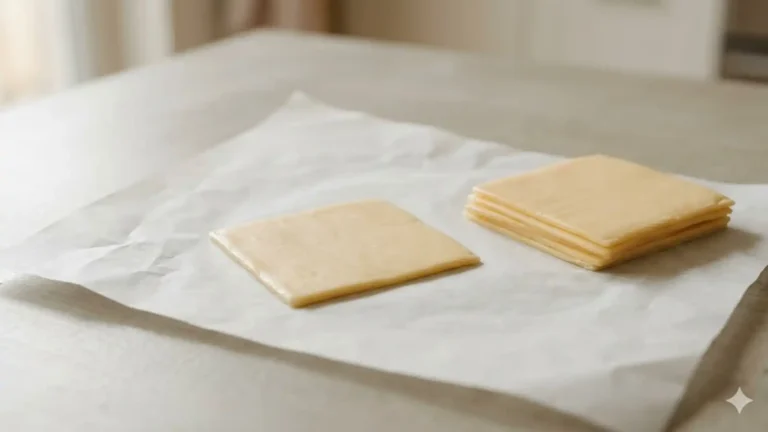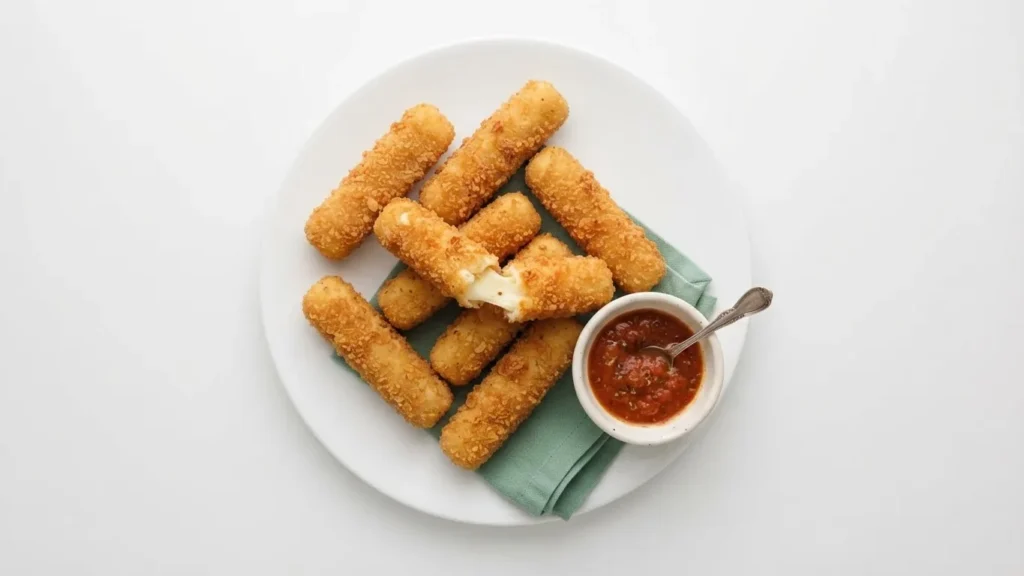
A single string cheese stick is not one number. Pull three brands off the shelf and the calorie line reads 80, 85, or 90 for the same 28-gram serving. The cheese stick nutrition facts that matter start with that spread, and understanding why it exists tells a reader which figure to trust for the stick in their own hand. This desk aggregates the declared panels from manufacturer labels and public food databases into one reference table, so the comparison is direct rather than pieced together from memory.
Every figure below is sourced from a manufacturer’s declared Nutrition Facts panel or a public U.S. food composition database, structured into standardized reference tables. Where two sources disagree, that disagreement is stated, not smoothed over.
The Calorie Range: What One Stick Really Delivers

There is no universal calorie value for a string cheese stick, and treating one number as gospel is where most guides go wrong. For an identical 28-gram serving (one stick), the declared figures split by brand. Borden and Cache Valley both list 80 calories. Verywell Fit, drawing on USDA-attributed part-skim data, reports 85 calories for the same 28-gram serving.
None of those is an error. The spread reflects real formulation differences between brands and the rounding conventions permitted on the panel. A part-skim recipe with slightly more fat lands higher; a leaner batch lands lower. The one figure that holds steady across all four sources is protein: roughly 7 grams per stick.
Quick answer: One 28g cheese stick (string cheese) delivers about 7 grams of protein. Borden and Cache Valley each list 80 calories per stick; USDA-derived data puts it at 85. A stick carries only about 1.3 grams of carbohydrate and less than 1 gram of lactose, with roughly 6 grams of fat and a modest sodium load. It supplies about 20% of the Daily Value for calcium. Mozzarella is the only cheese that strings, and the calorie gap between sticks comes down to fat content: part-skim, whole-milk, light, or fat-free.
Full Macro Line and the Cheese Stick Nutrition Facts Table
Serving size across every source here is one stick, 28 grams. The Sargento product listing sets out the same per-stick basis used throughout this reference. Its low-moisture part-skim string cheese page lists its sodium figure and “7 grams of protein per serving” directly on the product page.
Verywell Fit, summarizing USDA-attributed part-skim data, breaks the fat down further: 5.8 grams of total fat per serving, of which 3.3 grams are saturated fat, 1.3 grams monounsaturated, and 0.2 grams polyunsaturated. That total-fat figure sits just under the level the brand panels round to, a difference of formulation and rounding rather than a real conflict.
Here is the standardized reference table, per 28g stick, drawn from the sourced panels:
| Item | Value |
|---|---|
| Serving size | 1 stick (28g) |
| Calories | 80 (Borden, Cache Valley) / 85 (USDA-derived) |
| Protein | ~7 grams |
| Total fat | 5.8g (USDA-derived) |
| Saturated fat | 3.3 grams |
| Carbohydrate | 1.3 grams |
| Sugar | negligible (lactose under 1 gram) |
| Fiber | negligible |
| Sodium | listed on the Sargento panel |
For context against a close alternative, a firmer aged cheese concentrates far more sodium and protein into a smaller portion. The Parmesan Cheese Nutrition Facts: What a Tablespoon, an Ounce, and 100 Grams Actually Deliver breakdown shows how a hard grating cheese stacks up per ounce, which makes the mild, portion-controlled string cheese stick look modest by comparison.
Is a Cheese Stick Keto and Low-Carb Friendly?
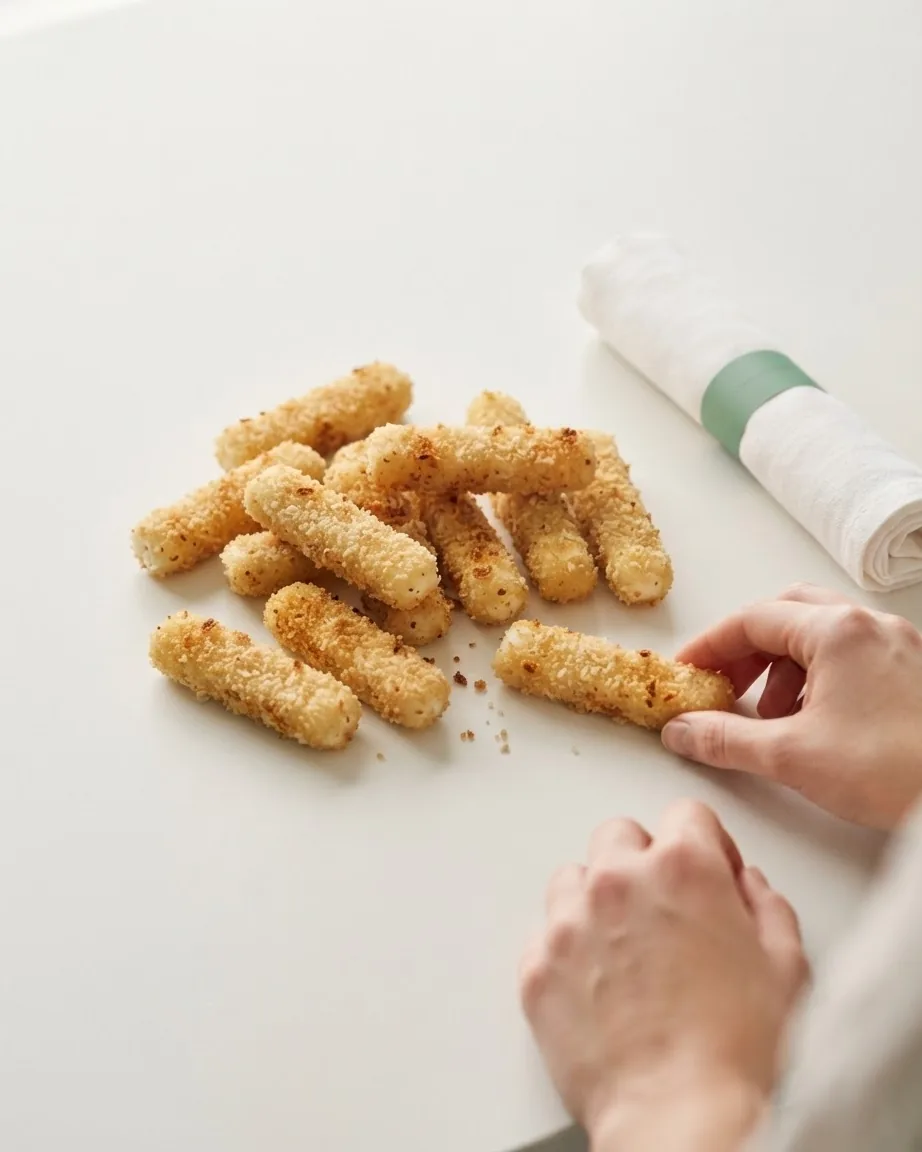
Yes, and the number behind that answer is small enough to end the question quickly. One 28-gram serving of string cheese contains only 1.3 grams of carbohydrate, which Verywell Fit classifies as a very-low-carbohydrate food. There is no fiber to subtract and effectively no sugar beyond trace lactose, so the net carbohydrate load per stick is close to the gross figure.
For a reader on a ketogenic or low-carb plan, that puts a single stick well inside a strict daily carbohydrate ceiling with room to spare. The carbohydrate load per stick stays small enough that even a couple of sticks barely register. The practical limit is not carbs but sodium and calories if sticks are eaten by the handful. A stick behaves very differently from a carb-heavy snack pairing like the Ritz Crackers Nutrition: What 80 Calories Actually Buys You panel, where nearly all the calories arrive as refined carbohydrate.
Can Lactose-Intolerant People Eat String Cheese?
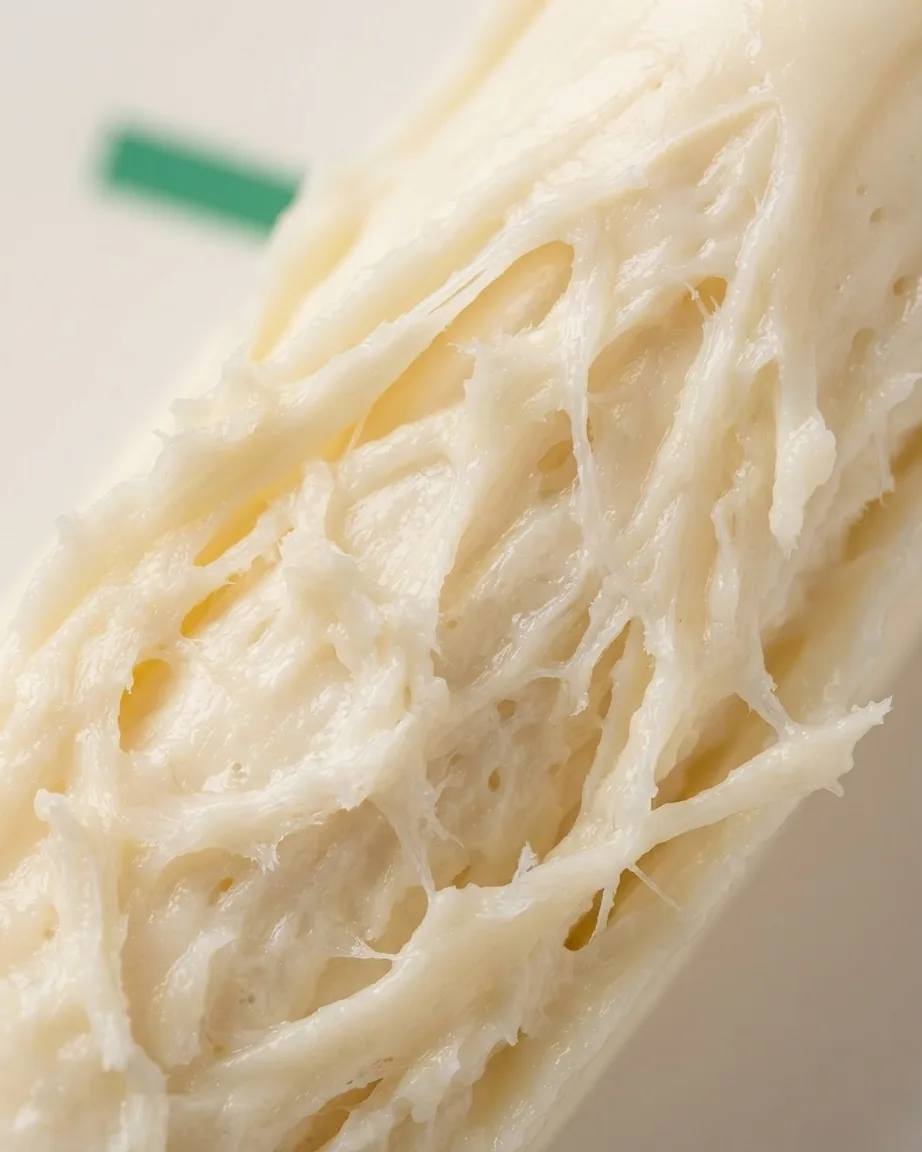
For many, this is the deciding question, and the answer is more forgiving than the blanket “avoid dairy” advice suggests. Verywell Fit reports that one serving of string cheese contains less than 1 gram of lactose. Aging and the low-moisture, part-skim process strip out much of the milk sugar that triggers symptoms, leaving a small residual amount per stick.
Allergen warning
That does not make string cheese lactose-free, and tolerance varies from person to person. What it means is that a single stick may sit well with some people who cannot drink a glass of milk. The under-1-gram figure is a ceiling to weigh against personal tolerance, not a guarantee. Anyone managing a diagnosed intolerance should treat the number as information and judge their own response to a small portion. This desk does not offer medical or dietary advice.
Calcium, Selenium, B12, and the Sodium Tradeoff

A cheese stick earns its place as a snack on micronutrients, but it comes with one clear cost.
The tradeoff is sodium. On the Sargento panel, one cheese stick carries a meaningful salt load for a food this small, and it climbs fast if sticks are eaten in multiples. A reader watching sodium should count sticks the way they would count slices, not treat them as free.
Compared with a made dish where cheese is one component among many, the per-stick sodium is easy to track. The Grilled Cheese Nutrition Info: The Real Numbers Behind One Buttery Sandwich figures show how quickly bread, butter, and multiple cheese slices push both sodium and fat far past a single stick.
Why Mozzarella Is the Only Cheese That Strings
The name is not marketing for a special processed product, and that misconception drives a lot of confusion about what a “stick” actually is. Verywell Fit states plainly that mozzarella is the only cheese capable of being stringy. When low-moisture mozzarella is heated and stretched during production, its proteins align into parallel bundles; those aligned fibers are what peel away in strands when the stick is pulled apart. No other common cheese has that structure, which is why string cheese is always mozzarella at its base.
What varies between sticks is the milk. String cheese comes in low-moisture part-skim, whole-milk, light, and fat-free versions. That is where the calorie gap originates: the more milkfat left in, the higher the calories and total fat, while protein stays close to 7 grams across the board. So the difference in the panel between an 80-calorie Cache Valley stick and a Sargento stick traces almost entirely to fat, not to a different kind of cheese.
Cache Valley’s part-skim label states its serving as “1 Stick (28g)” and lands at 80 calories with 7g protein and 200mg calcium, matching Borden’s part-skim figures nearly stick for stick. When two brands use the same part-skim process, their panels converge; the outliers are the whole-milk and light formulations that shift the fat line up or down.
Where These Numbers Come From, and What They Don’t Cover
The per-serving figures in this article are declared values from manufacturer panels (Sargento, Borden Dairy, Cache Valley Creamery) and USDA-attributed consumer data compiled by Verywell Fit. These describe a 28g serving. The USDA Agricultural Research Service also maintains a separate Foundation Foods entry for “Cheese, mozzarella, low moisture, part-skim” in FoodData Central, but that record reports on a per-100-gram basis rather than per stick. That entry lists protein, water, and total lipid on the per-100-gram basis.
Those per-100g values are not interchangeable with the per-stick panel numbers and should not be read as the content of one stick. They sit on a different basis and, in the case of Foundation data, describe generic cheese rather than a specific branded formulation. Mixing the two bases is the most common way these figures get misreported.
One further limit applies to every figure here: brands can and do change recipes and manufacturing without notice, so a panel may be adjusted later. For the wider category, the full dairy eggs section keeps other cheese and dairy panels in the same standardized format. Pairings that often share a plate with string cheese, such as a dip, carry their own numbers worth checking, as in the Ranch Dressing Nutrition Facts: What Two Tablespoons Really Cost You breakdown.
If You Eat More Than One: Totals for 2 and 3 Sticks
A single stick is easy to read off the panel, but people rarely stop at one. Because every macro on a cheese stick scales linearly with the number of sticks, the real snack total is just the per-stick figure multiplied out. Using the sourced per-stick numbers, here is what a two- and three-stick snack actually delivers, and where the differences start to matter.
| Amount | Protein | Carbohydrate | Sodium (Sargento) |
|---|---|---|---|
| 1 stick | ~7 g | 1.3 g | as listed on the Sargento panel |
| 2 sticks | ~14 g | 2.6 g | scales from the per-stick figure |
| 3 sticks | ~21 g | 3.9 g | scales from the per-stick figure |
Two takeaways fall out of the arithmetic. First, carbs stay trivial, so multiples barely move a low-carb count. Second, sodium is the figure that climbs fastest across multiple sticks, which is why counting sticks like slices matters more for salt than for carbs. Note too that the brand calorie spread widens with quantity: a 10-calorie gap per stick becomes a 30-calorie gap across three sticks.
Frequently Asked Questions
How many calories are in a whole-milk cheese stick versus a part-skim one?
The sourced panels here cover part-skim sticks. Whole-milk string cheese uses a fattier base, so it lands higher, while light and fat-free versions land lower. Protein stays near 7 grams across all versions; the calorie shift comes from milkfat, not a change in cheese type.
Does a cheese stick count toward my daily protein?
Yes. One 28g stick delivers about 7 grams of protein, consistent across Sargento, Borden, and Cache Valley labels and USDA-attributed data. Two sticks put you near 14 grams, which makes string cheese a compact protein source, though its sodium load adds up if you eat several.
Is there any sugar in string cheese?
Effectively none beyond trace lactose. One serving holds only 1.3 grams of total carbohydrate and less than 1 gram of lactose, with no added sugar on the standard part-skim panels. That low carbohydrate load is why string cheese fits low-carb and ketogenic plans, and why it reads so differently from cracker or dessert snacks.
Which brand has the fewest calories per stick?
Among the sourced panels, Borden and Cache Valley each list 80 calories per 28g stick, the lowest of the group. USDA-derived data puts a generic part-skim stick at 85. All three deliver about 7 grams of protein, so the calorie gap between the lowest and highest reflects fat content, not protein. How much calcium does one cheese stick provide? Cache Valley lists 200 milligrams of calcium per 28g stick, so the mineral load is consistent across part-skim brands. What other nutrients does a cheese stick contain? Beyond calcium, one serving supplies additional nutrients, per Verywell Fit. Those figures make a single stick a nutrient-dense snack for its size. The one nutrient to watch in the other direction is sodium, which climbs quickly across multiple sticks. Read as a whole, the cheese stick nutrition facts point to a simple takeaway: pick the number that matches the brand in your hand rather than a single universal figure. A 28g part-skim stick carries about 7 grams of protein and only 1.3 grams of carbohydrate, and delivers roughly a fifth of a day’s calcium. The variation between sticks is almost entirely a story about fat, and the one line worth watching against the benefits is sodium.