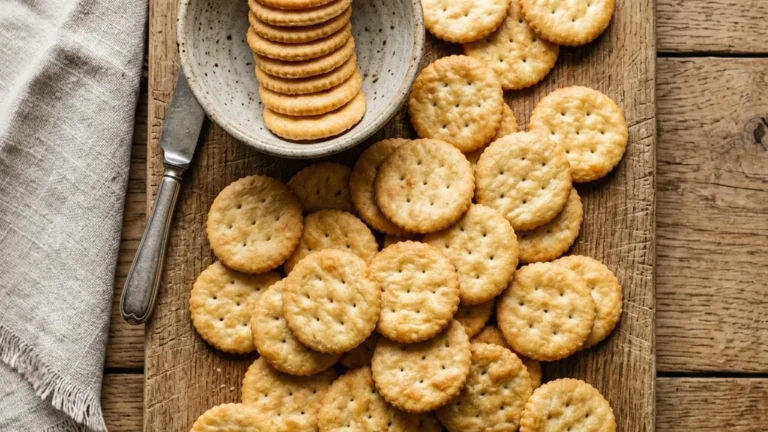
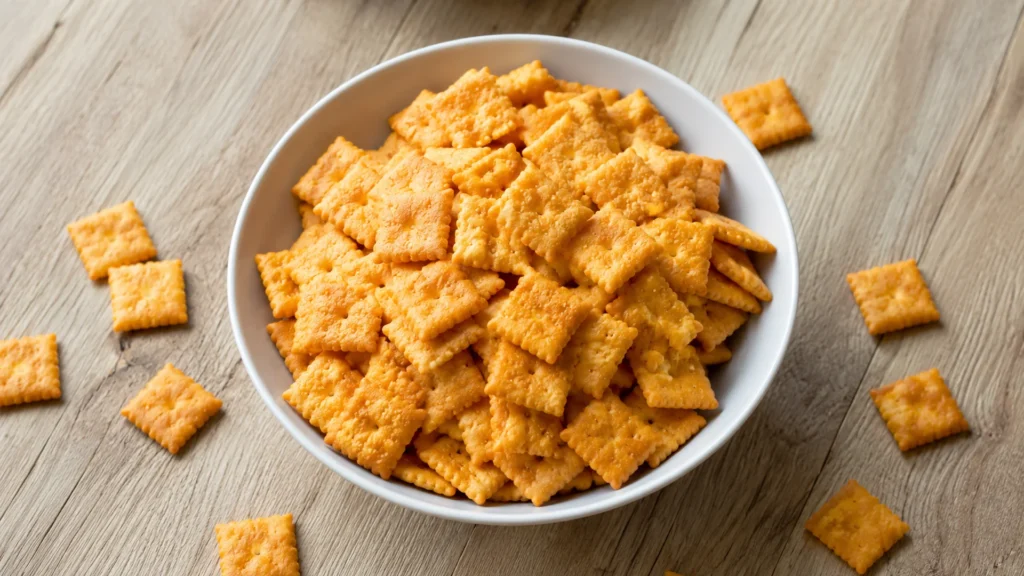
The Cheez Its nutrition label tells a clear story once you read past the cheese flavor: a standard 27-cracker serving (about 30 grams) carries roughly 150 calories, 8 grams of fat with 2 grams saturated, 230 to 250 milligrams of sodium, 17 grams of carbohydrate, under 1 gram of sugar, less than 1 gram of fiber, and about 3 grams of protein. The two numbers worth watching are fat and sodium, because both come from the cheese and oil that give the cracker its taste, and both add up quickly past the listed serving. Below, the label is decoded line by line, with where each macro comes from, a walk through the ingredient list, and a comparison of Cheez-Its with a few other cheese snacks.
These figures are typical label values for Original Cheez-It baked snack crackers sold in the United States. Reduced Fat, White Cheddar, Extra Toasty, and the puffed and Snap’d varieties carry different numbers, so read the box in your hand. Manufacturers reformulate and resize servings over time.
Cheez Its Nutrition Facts Table
This is the panel for one serving of Original Cheez-It crackers, about 27 crackers or 30 grams. Percent Daily Values use a 2,000 calorie reference day.
| Nutrient | Per serving (about 27 crackers, 30 g) | % Daily Value |
|---|---|---|
| Calories | 150 | – |
| Total Fat | 8 g | 10% |
| Saturated Fat | 2 g | 10% |
| Trans Fat | 0 g | – |
| Cholesterol | 0 to 5 mg | 0% to 2% |
| Sodium | 230 to 250 mg | 10% to 11% |
| Total Carbohydrate | 17 g | 6% |
| Dietary Fiber | less than 1 g | 0% to 3% |
| Total Sugars | 0 to 1 g | – |
| Added Sugars | 0 g | 0% |
| Protein | 3 g | – |
| Calcium | about 40 mg | 2% to 4% |
| Iron | about 1.2 mg | 6% |
| Potassium | about 45 mg | 1% |
The fast read: a moderate calorie snack where fat and sodium each cover about 10% of a day’s reference value in one serving, with very little sugar and almost no fiber. If you remember two figures, remember the 8 grams of fat and the 230 to 250 milligrams of sodium, since those climb fastest when you eat more than the listed 27 crackers.
Decoding the Calories
One serving of Cheez-Its is 150 calories, and the split is what makes it a snack rather than a light bite. Fat contributes about 72 of those calories (8 grams at 9 calories each), carbohydrate contributes about 68 (17 grams at 4 each), and protein the remaining handful. So roughly half the calories come from fat, which is why Cheez-Its feel richer than a plain cracker like a saltine that has only 1.5 grams of fat per serving.
The practical problem is the same one every small, crunchy snack has. Twenty-seven crackers looks like a lot on paper but disappears fast from a handful, and the box holds many servings. Eat what feels like a casual snack, maybe 50 to 60 crackers, and you have eaten closer to 300 calories, 16 grams of fat, and 480 milligrams of sodium. The label is honest, but the serving is smaller than the way most people actually eat them, so count crackers when you log them.
At 150 calories for a clearly defined portion, Cheez-Its are not unusually high for a snack cracker. The calorie density is driven by the cheese and oil, which is exactly what makes the cracker taste like cheese.
It is worth seeing how that 150 calories compares to other common snacks at the same weight. Thirty grams of Cheez-Its carries more calories than the same weight of plain saltines, because the cheese and oil add fat, and roughly the same as 30 grams of most cheese-flavored snacks. The energy density sits around 5 calories per gram, which is typical for a baked, oil-containing cracker. That is the cost of the flavor. A plain dry cracker runs lower because it has less fat, and a richer snack like a buttery cracker runs higher. Cheez-Its land in the expected middle of that range, so the calorie number itself is not the concern. The portion you eat is.
The Macros: Fat, Carbs, and Protein
Fat is the defining macro at 8 grams per serving, with 2 grams saturated. The fat comes from vegetable oil and from the real cheese baked into the dough. Two grams of saturated fat per serving is moderate, but it doubles to 4 grams if you eat two servings, which is easy to do. For context on the different types of dietary fat and why saturated fat gets singled out, MedlinePlus keeps a clear summary of dietary fats.
Carbohydrate is 17 grams per serving and comes from enriched wheat flour. Like most baked crackers, Cheez-Its are low in fiber (under 1 gram) and very low in sugar (0 to 1 gram), so the carbohydrate is mostly refined starch. That low-sugar profile surprises some people who assume a flavored snack must be sweet. It is not, the flavor is cheese and salt, not sugar. If you want the bigger picture on carbohydrate quality and why fiber matters, MedlinePlus has a plain overview of carbohydrates.
Protein is modest at 3 grams per serving, slightly higher than a plain cracker because of the cheese. It is not a protein snack, but the cheese gives it a small edge over crackers with no dairy. If you want more staying power, pairing Cheez-Its with a protein source rather than eating them alone is the move.
One thing the macro split reveals is why Cheez-Its feel more satisfying than a plain saltine even though both are refined crackers. The 8 grams of fat slows digestion a little and adds the mouthfeel that makes a snack feel like a treat. That same fat is the reason the calories run higher. There is no free lunch on the label. The richness people enjoy and the calorie and fat numbers they may want to limit are the same ingredient working two ways. Knowing that helps you decide whether a serving is worth it on a given day, rather than treating the cracker as either good or bad.
The Sodium Story
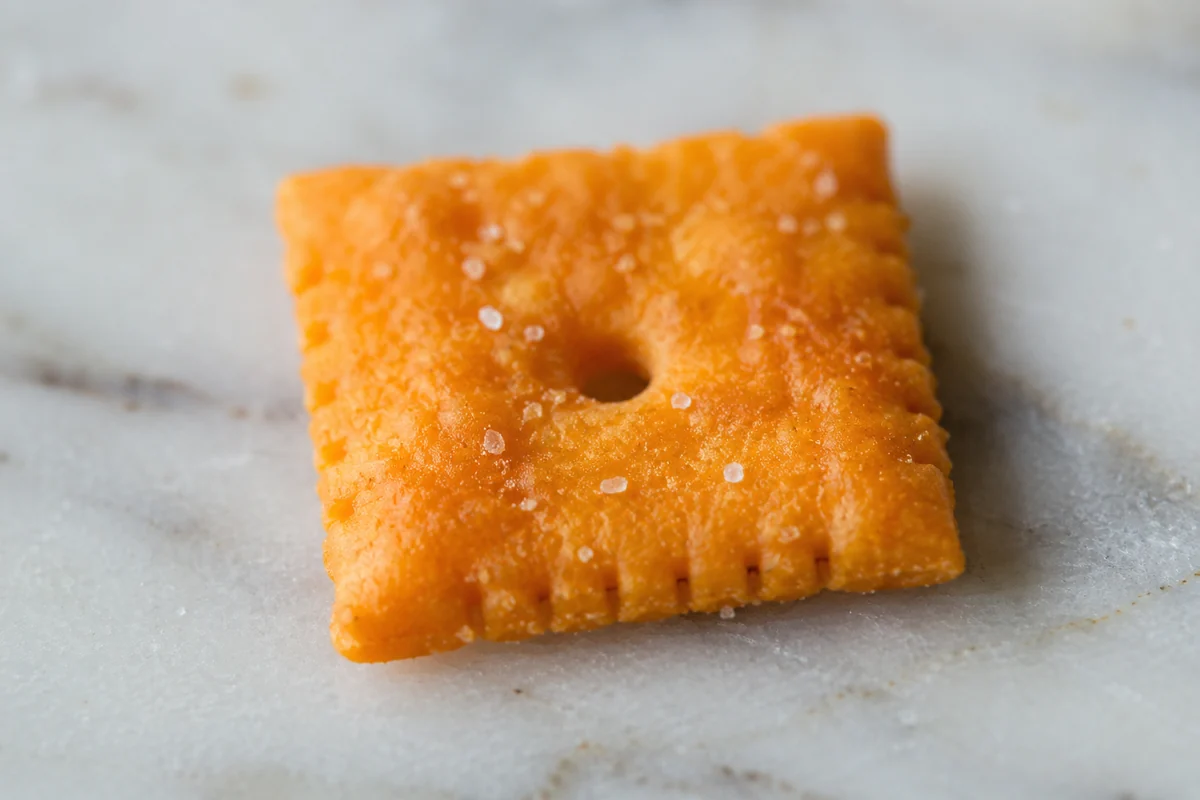
Sodium is the other number that deserves attention. A single serving carries 230 to 250 milligrams, which is about 10% of the federal daily limit of 2,300 milligrams in just 30 grams of crackers. That density is higher than a plain saltine on a per-serving basis, because the cheese and seasoning add salt on top of the dough salt.
The portion math is where it gets real. A casual two-serving snack puts you near 480 milligrams of sodium, and a movie-night bowl can pass 600 milligrams without feeling like much. Most Americans already eat more sodium than recommended, and salty snack crackers are a common reason. MedlinePlus explains how to track and manage intake in its overview of sodium, and Harvard’s nutrition team covers the blood-pressure link in its salt and sodium guide.
If sodium is a concern, portioning into a small bowl rather than eating from the box is the simplest control, and the Reduced Fat version trims some fat but does not dramatically cut sodium. The cheese flavor is inseparable from the salt, so a low-sodium Cheez-It is not really a thing.
Reading the Ingredient List
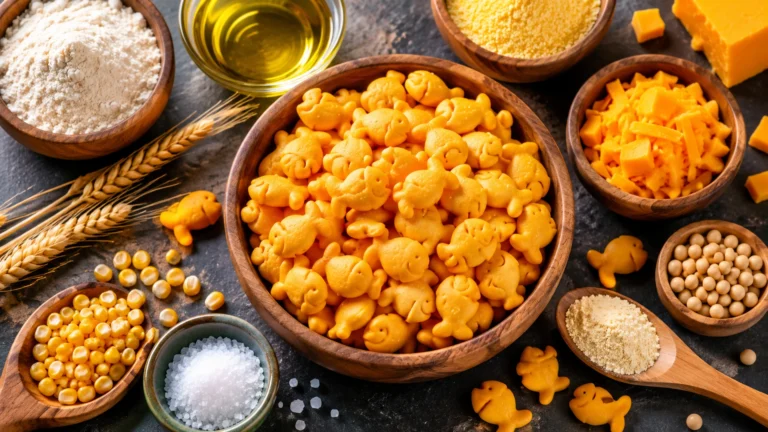
The Original Cheez-It ingredient list leads with enriched flour (wheat flour, niacin, reduced iron, vitamin B1, vitamin B2, folic acid), then vegetable oil (a blend such as soybean, palm, or canola), then cheese made with skim milk, and then salt, paprika, yeast, paprika oleoresin for color, and soy lecithin. The cheese is real cheese, which is why the label can claim “made with 100% real cheese,” and it is the source of the small protein and calcium contributions.
The enriched-flour tag explains the iron and B vitamins on the label. Enrichment adds back nutrients lost when white flour is refined, but it does not restore fiber, which is why Cheez-Its stay under 1 gram of fiber despite carrying a little iron and folic acid. The paprika and paprika oleoresin provide the orange color and a touch of the flavor, and there is no added sugar in the original, which is why the sugar line reads 0 to 1 gram.
For readers watching specific ingredients, the vegetable oil blend and the soy lecithin are the items most often asked about. Trans fat is listed at 0 grams, since the recipe uses non-hydrogenated oils, but the saturated fat from the palm oil and cheese is the fat worth tracking. If you avoid dairy or soy, this is not the snack for you, because both are central to the recipe.
Serving Size Reality and Portions
The label serving is about 27 crackers, and the honest truth is that most people eat more. Cheez-Its are small, crunchy, and salty, which is the exact combination that makes a single serving hard to stop at. The numbers scale cleanly, so the way to stay accurate is to portion before you snack rather than eating from the box.
Here is the practical math. Two servings, around 54 crackers, gives you 300 calories, 16 grams of fat, 4 grams of saturated fat, and roughly 480 milligrams of sodium. That is a substantial snack, and it is the amount many people actually eat in a sitting. Knowing that number is the point, because it lets you decide on purpose rather than by accident.
Cheez-Its pair well with foods that add protein, fiber, or produce, which balances the refined-starch base. A handful with sliced apple and a few cubes of cheese is a more complete snack than a bowl of crackers alone. For homemade snack ideas that you can portion yourself, our network keeps a set of low-carb snack recipes, and for dips that turn a plain cracker into something better, the dip and sauce recipes are a good place to start.
How Cheez-Its Compare to Other Cheese Snacks
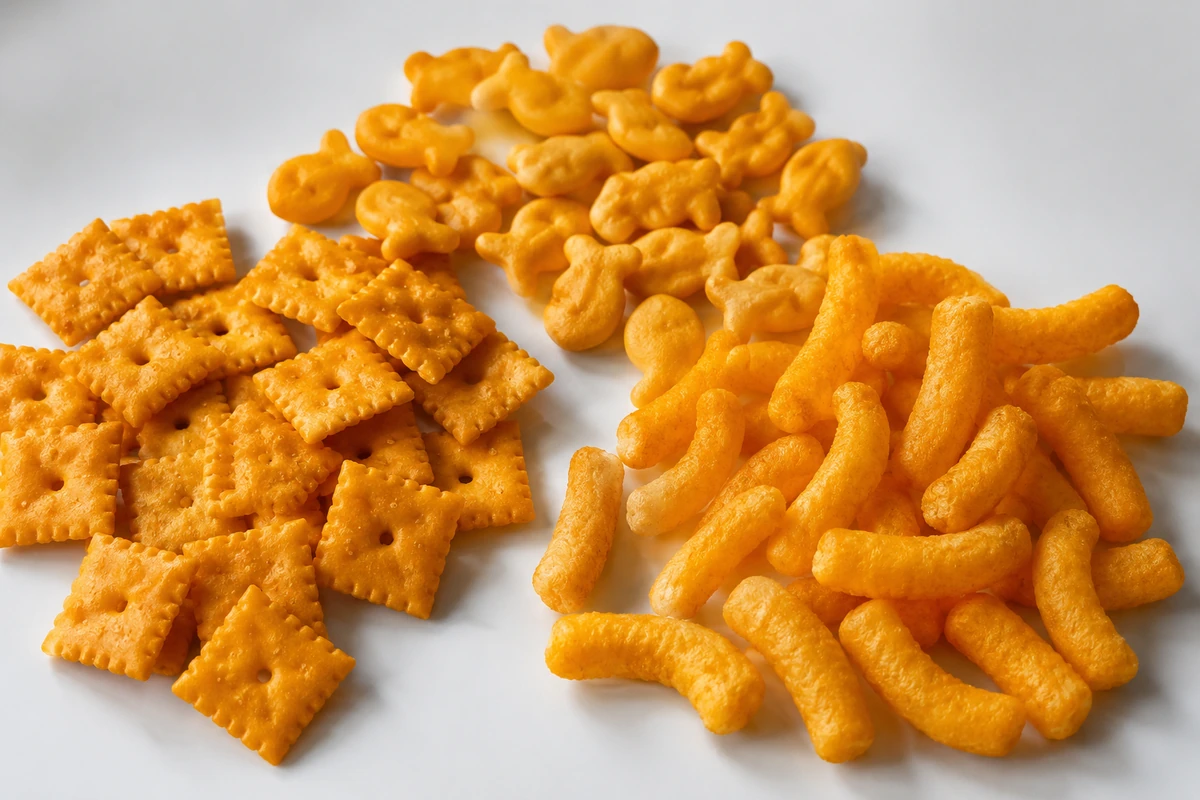
Against other cheese-flavored snacks, Cheez-Its sit in the middle on fat and sodium. Here is a per-serving comparison using typical label values. Amounts vary by brand and variety.
| Snack (typical serving) | Calories | Fat | Sodium | Protein |
|---|---|---|---|---|
| Cheez-It Original (27 crackers, 30 g) | 150 | 8 g | 230 to 250 mg | 3 g |
| Cheez-It Reduced Fat (29 crackers, 30 g) | 130 | 4.5 g | 250 mg | 3 g |
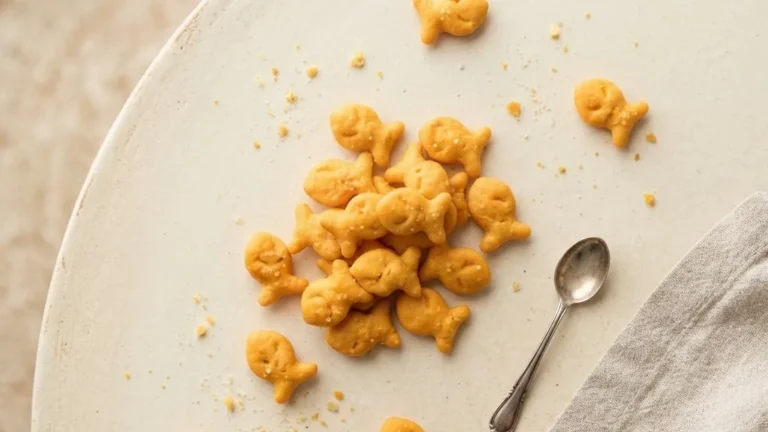
| Goldfish cheddar (55 pieces, 30 g) | 140 | 5 g | 250 mg | 3 g |
| Cheese puffs (about 21 pieces, 28 g) | 150 to 160 | 10 g | 290 to 300 mg | 2 g |
| Plain saltines (5 crackers, 15 g) | 60 to 70 | 1.5 g | 120 to 160 mg | 1 to 2 g |
Cheez-Its carry more fat than Goldfish per serving but similar sodium, and both deliver about 3 grams of protein from real cheese. Cheese puffs run higher on fat and sodium. A plain saltine is far lighter on fat but offers no cheese flavor and less protein. The takeaway is that Cheez-Its are a mainstream cheese cracker, neither the lightest nor the heaviest in their category, and the Reduced Fat version is a genuine way to cut the fat by nearly half while keeping the taste. If you want to understand where the dairy fat and sodium in a cheese product come from in the first place, our breakdown of the nutrition facts for an American cheese slice shows the building blocks.
Who They Suit and the Health Context
Cheez-Its suit people who want a savory, cheese-flavored crunch and are willing to spend the fat and sodium for it. They fit best as a portioned snack rather than a bottomless bowl, and they pair well with fruit, vegetables, or a protein source to round out the refined-starch base. The low sugar means they fit a low-sugar snacking pattern, even though they are high in refined carbohydrate.
They are a weaker fit if you are watching sodium closely, since the cheese flavor brings salt with it, or if you want fiber and substantial protein, which crackers do not deliver. People managing blood pressure should portion carefully and treat the listed serving as a real limit, not a starting point. The Reduced Fat version helps on fat but not much on sodium.
This is general nutrition information, not medical advice, and no single snack makes or breaks a diet. Cheez-Its are a cheese-flavored refined cracker with moderate fat and sodium and very little sugar. Portioned honestly and balanced with other foods, they fit most eating patterns as an occasional snack. To verify the underlying figures against an independent reference, USDA FoodData Central holds standard nutrition data for cheese crackers and enriched wheat flour.
Cheez-It Varieties and How the Label Changes
The Original is only one entry in a wide lineup, and each variety shifts the panel in a specific direction. If you are tracking your intake, the variety in your hand matters more than the brand name on the box.
Reduced Fat is the most useful swap for people watching fat. It trims total fat from 8 grams to about 4.5 grams per serving and drops calories from 150 to roughly 130, while keeping the cheese flavor mostly intact. What it does not do is cut sodium much, which stays near 250 milligrams, because the salt is tied to the cheese taste. So Reduced Fat is a fat play, not a sodium play.
White Cheddar and the other flavored squares, such as Extra Toasty or the hot-and-spicy versions, stay close to the Original on calories, fat, and sodium but can shift sodium up by 10 to 30 milligrams depending on the seasoning blend. The spicy versions in particular tend to carry a little more sodium. The macro picture is similar, but the panel is not identical, so do not assume White Cheddar matches Original exactly.
The puffed and Snap’d lines are a bigger departure. Snap’d are thinner and crispier with their own serving size, and the puffed varieties change the texture and the per-serving counts noticeably. These are different products built on the cheese-cracker idea rather than the same cracker in a new flavor, so read their panels from scratch rather than carrying over the Original numbers.
Grab-bag and single-serve packs are the last thing to check. A snack-size pouch is often one serving or close to it, which makes portioning automatic, but the multipack boxes hold many servings and invite the handful-after-handful eating that runs the totals up. If portion control is your goal, the single-serve bags do the work for you, which can be worth the small price premium. The label numbers are honest across all of these, but the format changes how many of them you actually eat.
Frequently Asked Questions
How many calories are in a serving of Cheez-Its?
One serving of Original Cheez-It crackers, about 27 crackers or 30 grams, contains 150 calories. Roughly half come from fat (8 grams) and the rest mostly from refined-flour carbohydrate (17 grams). Eating two servings, which is common, doubles that to about 300 calories, so portion before you snack to keep the count accurate.
Are Cheez-Its high in sodium?
Yes, relatively. One serving carries 230 to 250 milligrams of sodium, about 10% of the 2,300 milligram daily limit, packed into just 30 grams of crackers. The cheese and seasoning add salt on top of the dough. A casual two-serving snack reaches roughly 480 milligrams, so people watching sodium should portion into a small bowl rather than eat from the box.
Do Cheez-Its have real cheese?
Yes. The ingredient list includes cheese made with skim milk, which is why the package can state it is made with real cheese. That cheese is the source of the small protein (about 3 grams) and calcium on the label, along with some of the fat. If you avoid dairy, Cheez-Its are not suitable, since cheese is central to the recipe.
Are Cheez-Its or Goldfish healthier?
They are close. Per serving, Cheez-Its carry more fat (8 grams versus about 5 grams), similar sodium, and the same roughly 3 grams of protein. Goldfish are slightly lower in fat and calories. Neither offers much fiber. The better choice depends on your priority, and portioning either one is more important than the small difference between them.