>
Every gram of sugar in a standard Original bar is added sugar. The panel for the 22-gram square lists 8 grams of total sugar and 8 grams of added sugar – the toasted rice and the marshmallow contribute nothing the label counts as naturally occurring. That one line explains most of what makes rice krispie treat nutrition facts confusing: the totals look tiny until you notice the entire sugar column came from corn syrup and marshmallow, and until you watch how fast it climbs once the bar gets bigger. This runs in our wider snacks sweets coverage.
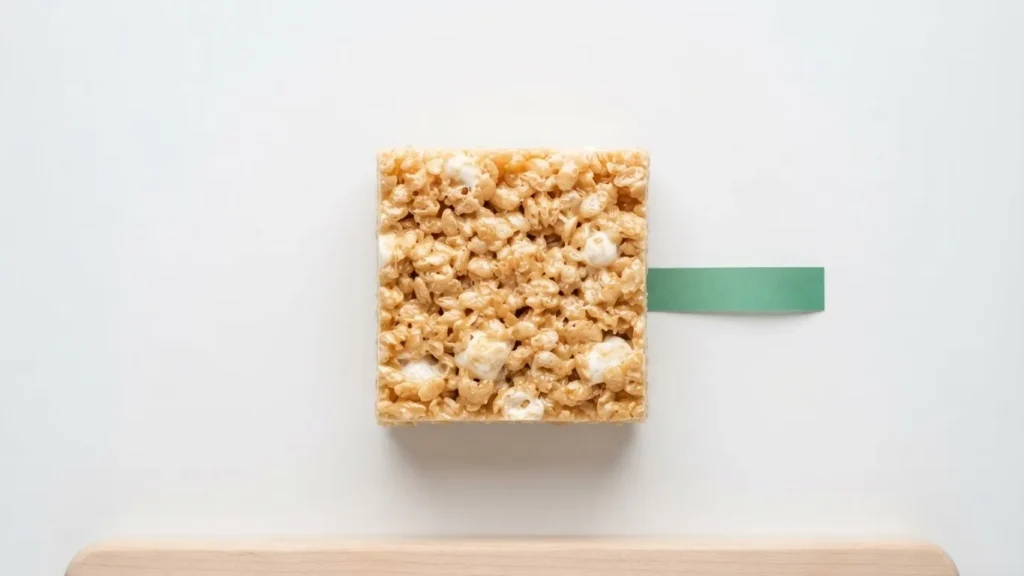
The rice krispie treat nutrition facts most people want start with the standard 22-gram (0.78 oz) Original bar: 90 calories per square. Its macro line reads 2 grams of total fat, 17 grams of total carbohydrate, 8 grams of total sugar – all 8 counted as added – 0 grams of fiber, under 1 gram of protein, and 105 milligrams of sodium. Those numbers are small because the square is small. Every larger format scales sugar and calories up faster than weight, so the size printed on the wrapper decides how a bar reads more than the recipe does.
What one 22-gram square logs
The nutritional facts for rice krispie treats on most single bars come from Kellogg’s SmartLabel entry for the Original treat, which puts one 22-gram (0.78-ounce) bar at 90 calories, with 105 milligrams of sodium, 17 grams of total carbohydrate, 2 grams of total fat, 0 grams of fiber, and protein under 1 gram. MyFoodDiary’s breakdown of the same serving pins protein at 0.5 grams and confirms the detail that matters most: 8 grams total sugar, 8 grams added.
At 4 calories per gram, those 8 grams of sugar account for 32 of the bar’s 90 calories – about 35.6 percent, roughly one calorie in three. On sodium, the picture is the opposite. The Food and Drug Administration treats 5 percent of a Daily Value or less as low; the 105 milligrams here works out to 4.6 percent and clears that line comfortably. One catch on portion: the 22-gram square is the smallest format sold, so the number you’ll actually eat is often the larger 1.3-ounce bar.
| Nutrient | Per 1 bar (22 g / 0.78 oz) | % Daily Value |
|---|---|---|
| Calories | 90 | – |
| Total Fat | 2 g | 3% |
| Sodium | 105 mg | 5% |
| Total Carbohydrate | 17 g | 6% |
| Dietary Fiber | 0 g | 0% |
| Total Sugars | 8 g | – |
| Added Sugars | 8 g | 16% |
| Protein | <1 g | – |
Values as printed on the brand panel. The percentages shown are the label’s own; rounding is why fat reads a flat 2 grams and protein reads “less than 1 gram” rather than a decimal.
The 1.3-ounce bar where three sources can’t agree
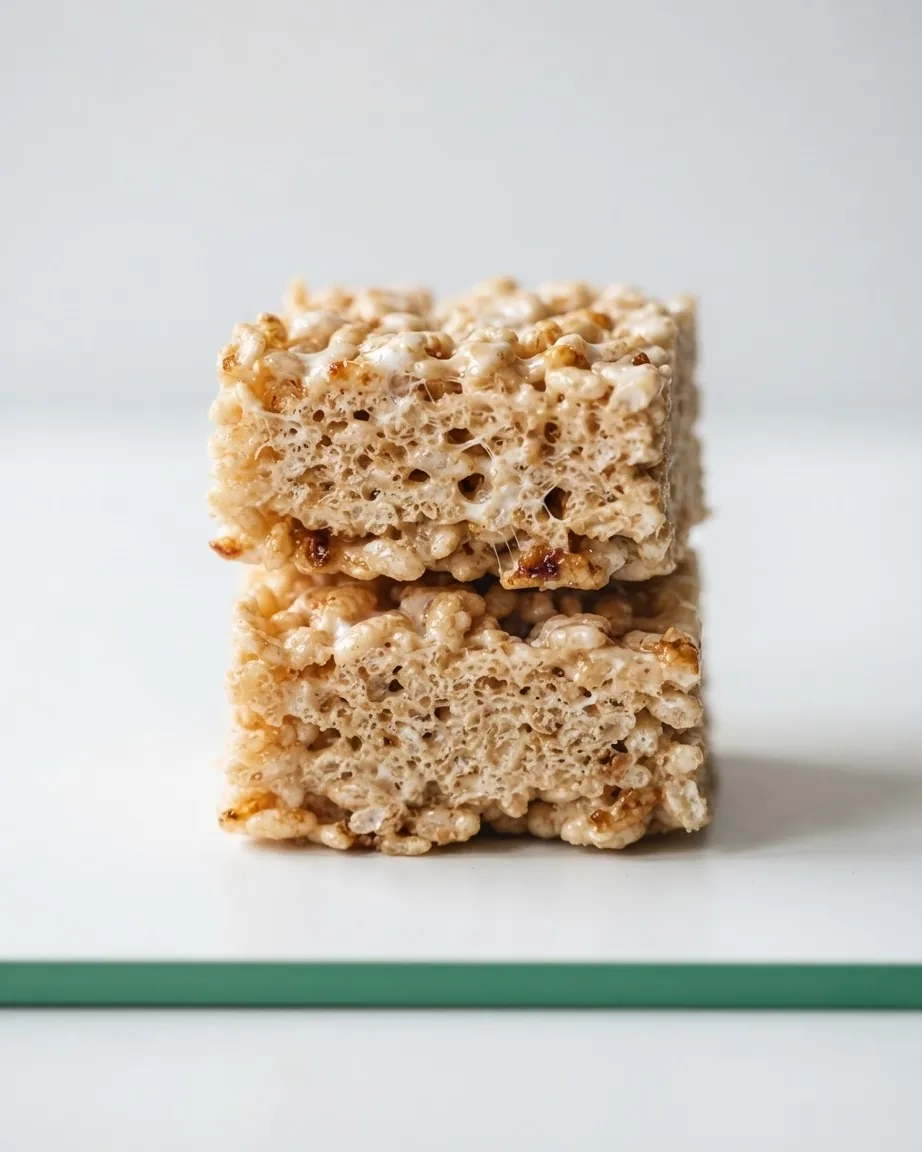
Bump the same product up to a 37-gram (1.3 oz) bar and the calorie count stops being a single number. Kellogg’s own away-from-home panel lists the 37-gram Original at 150 calories, with 4 grams of fat, 29 grams of carbohydrate, 13 grams of sugar (all added, 26 percent DV), and 1 gram of protein. NutritionValue.org, drawing on the USDA National Nutrient Database, lists the same 1.3-ounce square at 152 calories with 3.8 grams of fat and 1.2 grams of protein. Eat This Much reports it at 153 calories – but with 30 grams of carbs and only 7 grams of sugar.
Two of those disagreements are noise; one is a real error. The 150-vs-152-vs-153 spread and the fat and protein decimals (4 grams versus 3.8, 1 gram versus 1.2) are rounding artifacts of the same underlying formula: printed panels round to whole grams, databases keep the decimals. Log the panel’s 150 for the wrapped product in your hand, or the 152 if your tracker pulls USDA values – either is defensible. The Eat This Much sugar figure of 7 grams is the outlier that does not match the label’s 13 grams, so leave it out for this size. Worth knowing too: the Kellogg’s page for this 1.3-ounce bar describes it in the copy as “3oz squares,” which is a listing mistake, not a spec – trust the panel over the marketing line. The same cooked-versus-database gap shows up elsewhere; we picked it apart for rice cream nutrition.
Why the same bar reads “high” in added sugar at one size, not another
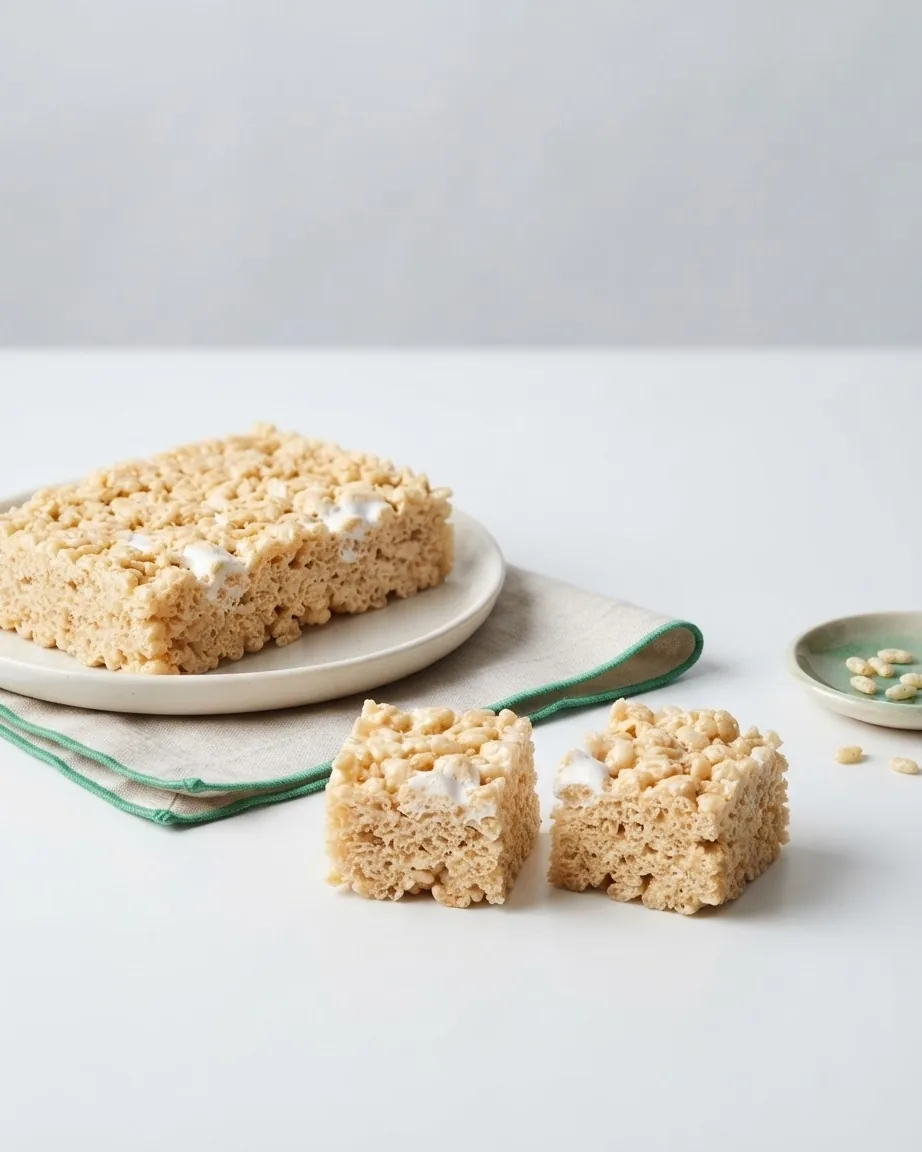
Here is the number a generic calorie count hides. The FDA calls 20 percent of a Daily Value or more high. Against the 50-gram Daily Value for added sugars, the 22-gram bar’s 8 grams is 16.0 percent – under the line. The 37-gram bar’s 13 grams is 26.0 percent – over it. Nothing about the recipe changed. The identical treat crosses the FDA’s high-added-sugar threshold on portion size alone, and its sodium moves from 4.6 percent DV on the small bar to 7.6 percent on the large one, dropping out of “low” territory at the same time.
Put in whole bars: a full day’s 50 grams of added sugar is 6.25 of the 22-gram squares, or 3.85 of the 37-gram bars. Fewer than four of the larger bars spend your entire daily allowance. If you are choosing what to keep in the pantry, the format on the wrapper decides more than the label design ever will.
Mini, jumbo, and Rainbow: how the sugar tracks the box
Across formats the sugar rides roughly with the weight, with one exception. MyNetDiary logs the 60-gram jumbo bar at 250 calories with 21 grams of added sugar – 42 percent DV, nearly half a day in a single bar. At the other end, the 11-gram Halloween mini comes in at 45 calories with 4 grams of sugar.
- 11 g Halloween mini – 45 calories, 4 g sugar
- 20 g Rainbow bar – 80 calories, 8 g sugar
- 22 g Original – 90 calories, 8 g sugar
- 37 g (1.3 oz) Original – 150 calories, 13 g sugar
- 60 g jumbo – 250 calories, 21 g sugar
The Rainbow bar is the odd one out. At 20 grams it carries 80 calories and 8 grams of sugar – the same 8 grams as the heavier 22-gram Original, so it is slightly sweeter per gram, which tracks with the added coating. If you are managing added sugar, the 11-gram mini is the only format that stays genuinely small; the trap is eating three or four of them and matching an Original bar without noticing. This is the same sugar-per-serving math that trips people up with sweetened cereal, which is why the Fruit Loops nutrition facts read so differently once the serving size shifts.
What’s in the bar: corn syrup, fructose, BHT, DATEM, milk and soy
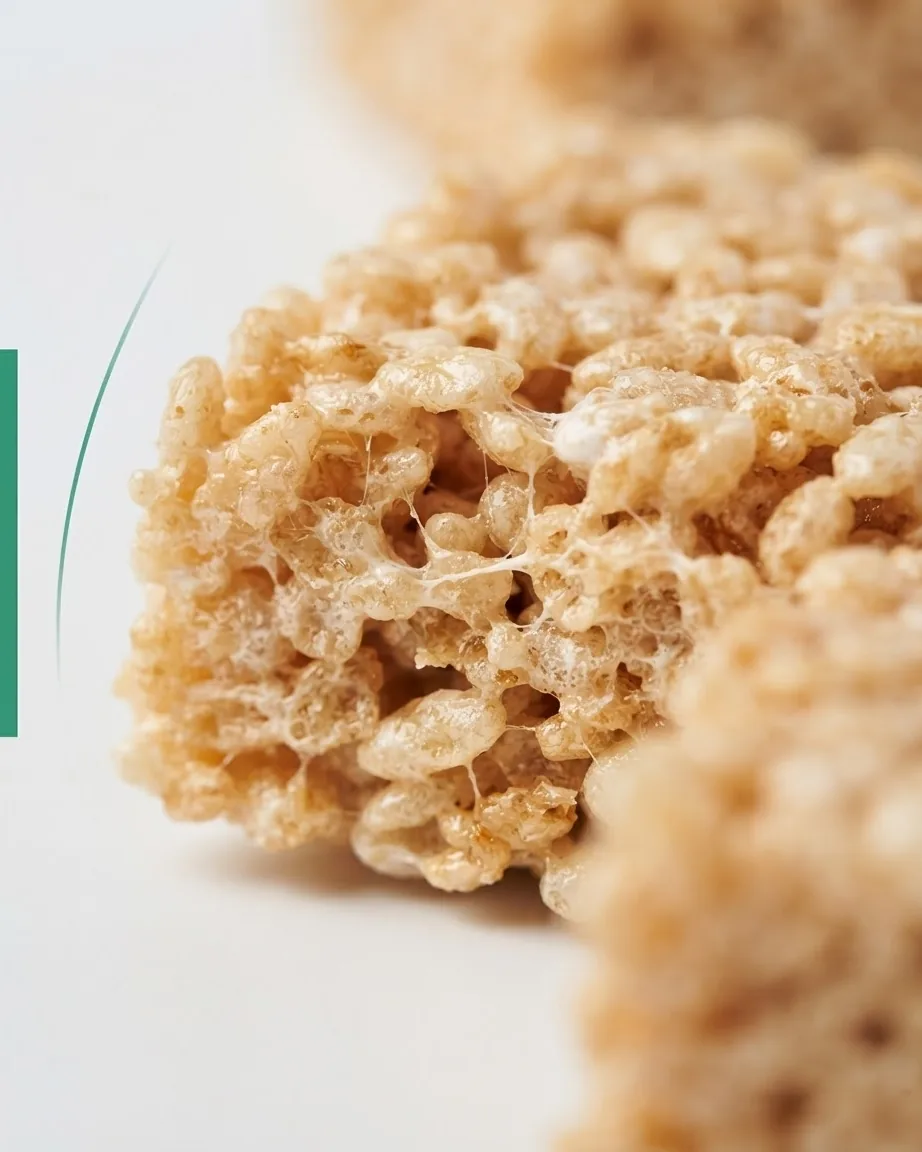
The ingredient list confirms where the sugar comes from. The base is toasted rice cereal (rice, sugar, salt, malt flavor), then corn syrup and fructose. After that, everything falls under a “2 percent or less” line worth reading:
- Gelatin – animal-derived, so the standard bar is not vegetarian.
- DATEM and acetylated monoglycerides – emulsifiers that keep the texture consistent.
- BHT – added “for freshness,” a preservative that slows the fats from going stale.
- Natural and artificial flavors (contains milk), soy lecithin – the source of the allergen statement.
Allergen warning
That allergen line is not incidental. The SmartLabel panel states the product contains milk and soy and flags a bioengineered food ingredient. Anyone avoiding milk or soy should skip these; the milk comes through the flavor system rather than an obvious dairy ingredient, which is exactly the kind of thing that gets missed. For a savory snack where the allergen and sodium math play out on the label instead, the Goldfish crackers nutrition info makes a clean contrast.
Homemade doesn’t automatically mean lighter
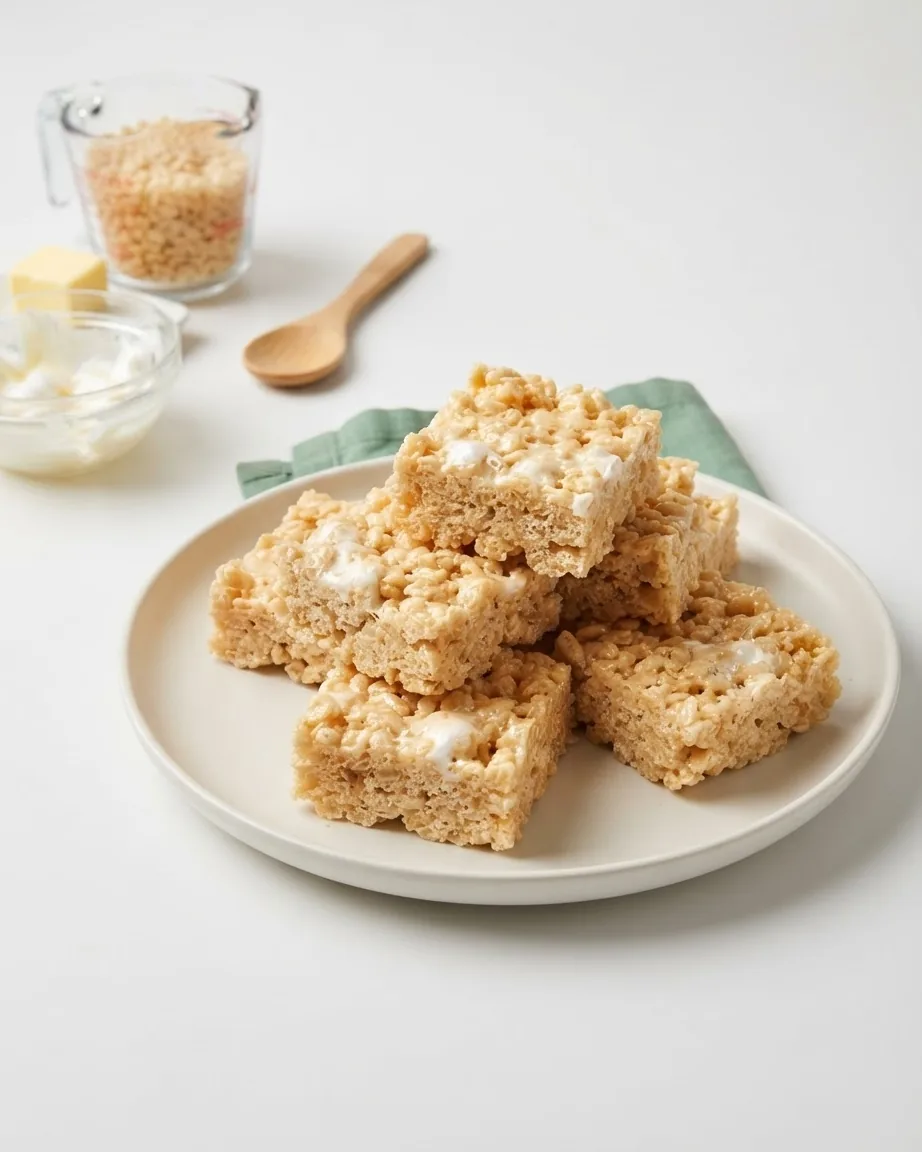
A common assumption is that making them at home trims the numbers. It usually doesn’t. MyNetDiary logs a homemade portion of two squares (33 grams) at 120 calories, 26 grams of carbohydrate, and 12 grams of sugar. Scale that against the packaged bars: a 33-gram homemade serving lands right between the 22-gram bar’s 8 grams of sugar and the 37-gram bar’s 13, and its 12 grams of sugar per 33 grams is actually a touch denser than the store bar, because home recipes lean on extra marshmallow and butter.
The other thing homemade doesn’t fix is what’s missing. Fiber is 0 grams across formats, and the panels carry no meaningful vitamin line beyond sodium – this is a sugar-and-starch snack whether it comes from a wrapper or a pan. If you want the calories to buy you protein or iron instead, that money is better spent elsewhere, the way a 3 oz cut of filet mignon earns its calorie count. The treat’s job is to be a treat; the label is just honest about it.
Rice Krispies Treats nutrition FAQ
Are Rice Krispies Treats vegetarian?
The standard Original bar is not. Its “2 percent or less” ingredients include gelatin, which is derived from animals, and the flavor system contains milk. Neither shows up in the front-of-pack description, so a quick glance at the box won’t tell you. Anyone keeping a vegetarian or vegan diet should read the full ingredient panel rather than assume a marshmallow snack qualifies.
Do Rice Krispies Treats contain gluten?
The label does not carry a gluten-free claim, and the toasted rice cereal lists malt flavor among its ingredients. The allergen statement declares milk and soy specifically. Because the panel neither certifies the bar as gluten-free nor calls out wheat, anyone who needs to avoid gluten should treat the malt flavor as a reason to check the current wrapper before eating.
Do they have any fiber or vitamins?
Not to speak of. Every format lists 0 grams of dietary fiber, and the nutrition panels don’t carry a meaningful vitamin or mineral line beyond sodium. These bars are built from rice cereal, corn syrup, fructose, and marshmallow, so the calories arrive almost entirely as sugar and starch. If you’re eating one, count it as a sweet, not as a source of nutrients.
Can the label numbers change without warning?
Yes. Brands reformulate and re-weigh their bars, and published figures reflect the panels as they stand now, not a permanent guarantee. That’s part of why the 1.3-ounce bar shows up at 150, 152, and 153 calories across databases. When the exact number matters to you, read the panel on the specific box in front of you rather than a stored figure from an app.