Two tablespoons of Jif Creamy Peanut Butter carry 190 calories, and that single serving line is where almost every misunderstanding about this jar begins. People spread far more than two tablespoons on a sandwich, and the tracking apps they use to log it often report a different number entirely. If you have been reading the Jif peanut butter nutrition label and wondering why your calorie app says one thing while the jar says another, the gap is real and it has a specific cause. This guide reads the panel line by line, sets the standard formula against Jif Natural, and shows you which number to trust when two sources fight.
The retail data here comes from the brand panel as published by Martin’s Foods, a grocery retailer that lists the full Nutrition Facts for the 13 oz squeeze bottle. Where a third-party database disagrees, that gets called out rather than smoothed over.
The 2-Tablespoon Serving: 190 Calories and the Full Macro Line
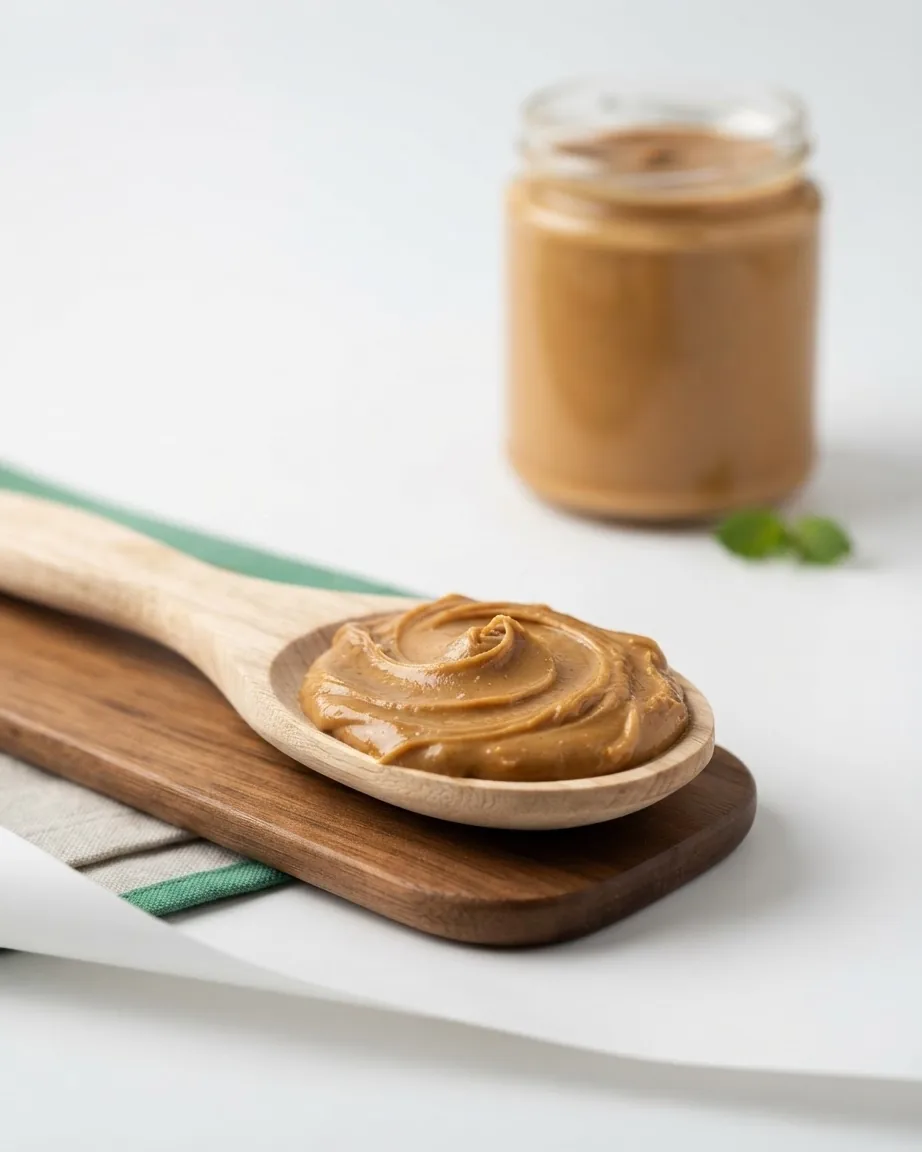
The serving size printed on standard Jif Creamy Peanut Butter is 2 tablespoons. According to the panel listed by Martin’s Foods, that serving holds 190 calories, 16g of total fat, 3.5g of saturated fat, 7g of protein, 3g of total sugars, 2g of which are added sugars, and 140mg of sodium.
Quick answer: The Jif peanut butter nutrition label reports a 2-tablespoon serving at 190 calories, 16g total fat, 3.5g saturated fat, 7g protein, and 140mg sodium. Total sugars run 3g, with 2g of those added during manufacturing. Fat carries most of the calories here, and the sodium sits at a moderate 140mg per serving. Standard Jif is gluten-free and made without artificial preservatives. Those figures come from the retail brand panel for the 13 oz squeeze bottle, not from a generic peanut butter profile, which matters once you start comparing against calorie apps.
Fat is doing the heavy lifting. At 16g per serving, it accounts for the bulk of those 190 calories, which tracks with peanut butter being a fat-dense food built on roasted peanuts. The 7g of protein is the number most people reach for this jar to get, and it holds up well against a two-tablespoon reference.
The sugar line deserves a second look. Of the 3g of total sugars, 2g are added sugars, meaning most of the sweetness is not coming from the peanuts themselves. That distinction on the label exists because the FDA now requires added sugars to be broken out separately from naturally occurring ones, a rule spelled out in the agency’s guidance on the Nutrition Facts label. For a spread most people think of as savory, seeing added sugar called out is worth knowing.
What Goes Into Standard Jif: Reading the Ingredient List
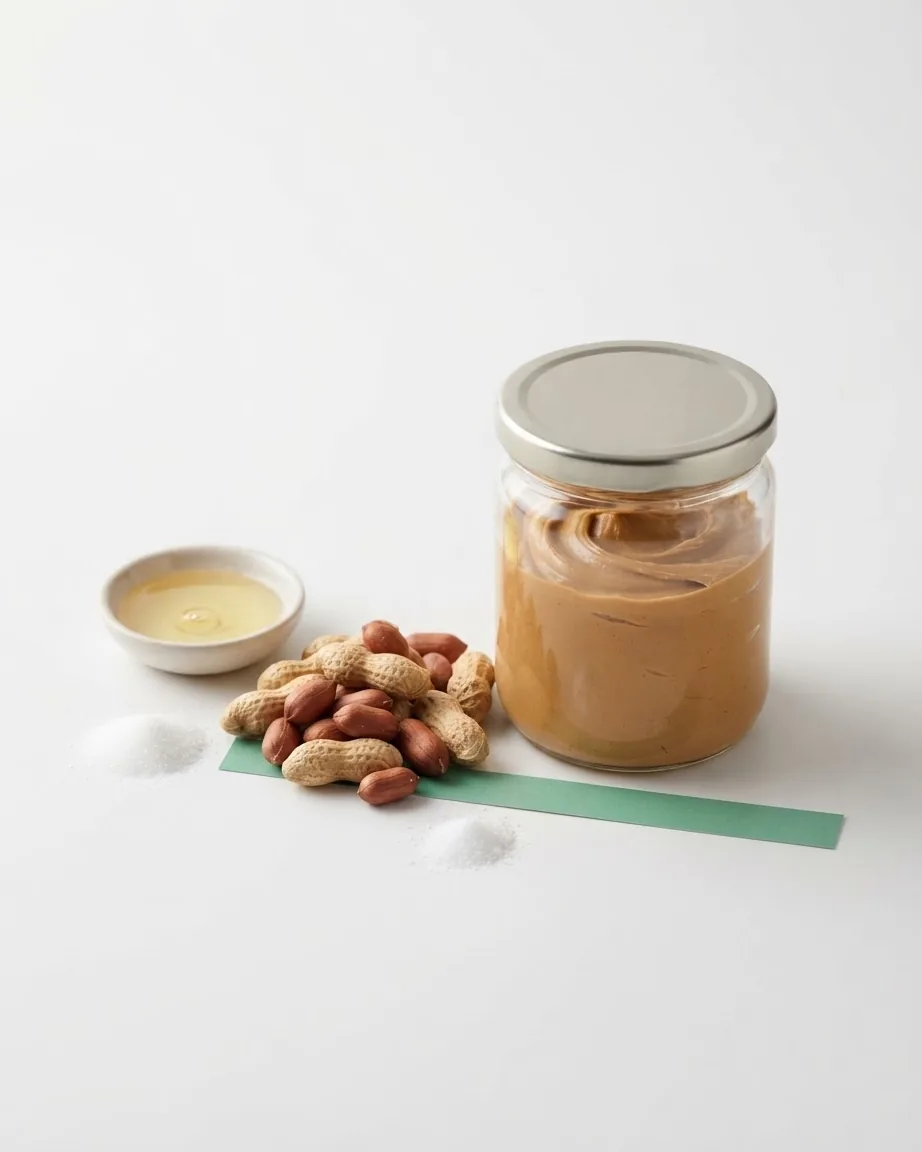
The macro line only tells you the totals. The ingredient statement tells you how Jif builds them. Standard Jif Creamy Peanut Butter lists roasted peanuts, sugar, molasses, fully hydrogenated vegetable oils, mono and diglycerides, and salt, per the product page maintained by the J.M. Smucker Company.
Two of those entries are the reason standard Jif behaves the way it does in the jar. The fully hydrogenated vegetable oils and the mono and diglycerides are stabilizers. They keep the peanut oil from separating and floating to the top, which is why you can pull a standard jar out of the pantry and spread it straight without stirring. The molasses and sugar are where those 2g of added sugars come from, and they nudge the flavor toward the sweet, uniform taste that defines the standard line.
Fully hydrogenated oil is not the same thing as partially hydrogenated oil. The partially hydrogenated version is the source of artificial trans fat, and it is the one regulators moved against. Fully hydrogenated oil does not carry the same trans fat concern, which is why it still appears on plenty of shelf-stable spreads.
Jif Natural vs. Standard: A Shorter List
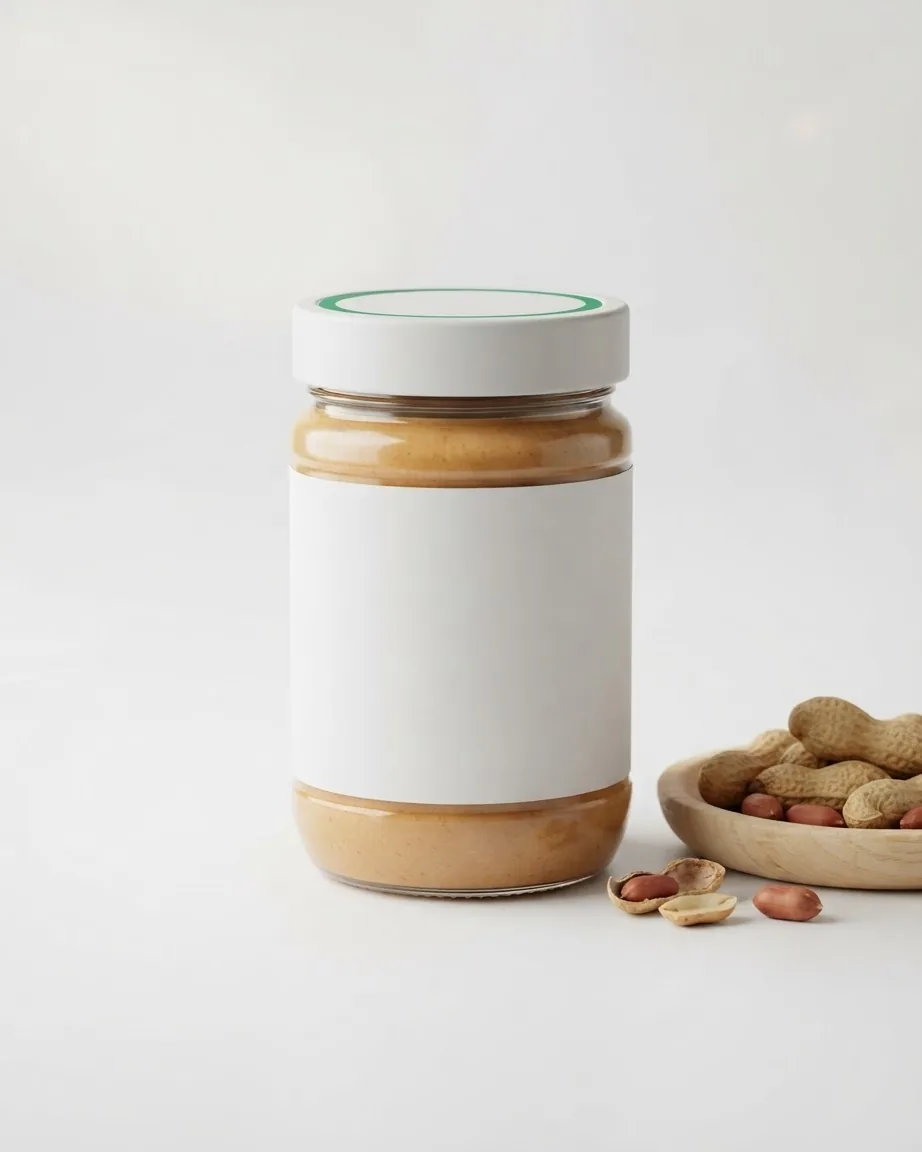
If the stabilizers are what you want to avoid, Jif Natural is the fork in the road. Smucker Company. The takeaway to anchor on is the direction of the recipe: it leans harder on peanuts, with a short tail of sugar, oil, and salt making up the rest.
Here the fact-pack hits a wall worth being honest about. A line-by-line breakdown of exactly which ingredients the Natural line uses is not published in the data available here. So the useful, defensible takeaway is the direction, not a full recipe: Natural leans far harder on peanuts than standard Jif does, and it drops the longer stabilizer-and-molasses list. If oil separation and the need to stir before use are dealbreakers for you, that is the practical tradeoff you are choosing between the two lines.
The Natural line’s peanut claim, incidentally, is tied to a data footnote referencing Circana MULO over the latest 52 weeks ending in August. Circana MULO is a retail sales measurement panel, and its appearance in the brand’s own materials is a reminder that even marketing figures on peanut butter get benchmarked against tracked sales data rather than pulled from thin air.
Why Your Calorie App Shows 180, Not 190
Log Jif in a tracking app and you may see numbers that do not match the jar at all. This is the discrepancy most readers actually run into, and it is worth resolving rather than shrugging off.
Eat This Much reports a 31g unit of Jif peanut butter as having 180 calories, 13g of fat, 4g of protein, and 10g of sugar, and it pegs the calorie density at 581 calories per 100g. Set those figures beside the retail panel and the conflict is obvious:
- Calories: Martin’s Foods panel says 190 per 2 tablespoons; Eat This Much says 180 per 31g unit.
- Fat: 16g on the retail panel versus 13g in the database.
- Protein: 7g on the panel versus 4g in the database.
- Sugar: 3g on the panel versus 10g in the database.
The sugar gap is the tell. Ten grams of sugar does not describe a mostly-peanut spread; it looks like a generic or blended profile rather than the specific Jif formula. The protein reading of 4g against the panel’s 7g points the same direction. When a third-party tracker and the brand panel disagree this sharply, trust the brand panel for a named, branded product like Jif. The app is a convenience, but it is not reading your jar.
One thing the databases do offer that the panel omits: a weight anchor. Eat This Much frames its numbers around a 31g unit and 100g, while the retail panel gives you volume only, 2 tablespoons, with no gram weight attached. That missing conversion is exactly why the two sources are hard to line up cleanly, and it is a real gap in the published data rather than an error you can fix by hand.
The Jif Peanut Butter Nutrition Label on Sodium, Gluten, and Preservatives
Beyond the headline macros, three attributes on the Jif peanut butter nutrition label tend to decide whether a jar fits a particular household.
Sodium lands at 140mg per 2-tablespoon serving. That is moderate for a spread, and it stays moderate only if your actual portion stays near two tablespoons. Spread more and the sodium climbs with the portion without the label changing a word, which is the quiet trap of any per-serving figure. If you are watching sodium closely, the number to manage is your spread, not the jar.
Standard Jif Creamy Peanut Butter is gluten-free and contains no artificial preservatives, per the retail panel. Gluten-free matters here because peanut butter is a frequent swap in gluten-free households, and it pairs naturally with the kind of gluten-free crackers people already keep around. The no-artificial-preservatives point is a formulation choice, not a shelf-life warning; the hydrogenated oil is doing the stabilizing work instead.
What the label does not give you is the micronutrient picture. Calcium, potassium, and iron values are not published in the data available here, so any claim about Jif as a source of those minerals would be guesswork. For the broader shelf of spreads and staples this sits among, our pantry basics section is the wider map.
How Jif Stacks Up Against Two Familiar Spreads
A calorie count means little without a neighbor to compare it to. Two useful reference points sit close to Jif on most kitchen shelves.
Nutella is the sweet-spread comparison. Where Jif’s 2-tablespoon serving carries 3g of total sugars, a chocolate-hazelnut spread is built the opposite way, with sugar leading the formula rather than trailing it. The full contrast, including how the same product’s label changes across regions, is laid out in our look at Nutella nutrition facts. The short version: Jif is a protein-and-fat spread with a little sugar; Nutella is a sugar spread with a little fat.
The other honest comparison is Jif against itself. Standard Jif at 16g of fat and 3g of sugar per serving reads very differently from Jif Natural, which leans on peanuts. Neither is dramatically lighter in calories, since peanuts are calorie-dense either way, but the ingredient philosophy diverges: stabilized and slightly sweetened versus mostly peanuts.
For a sense of how these numbers behave on the plate, spreads rarely travel alone. A cracker vehicle changes the total fast, and something like Ritz crackers stacks its own calories, sodium, and fat on top of whatever you spread. Reading both labels together, rather than one at a time, is how you get the number that matches what you actually eat.
Portion Reality: What a Real Sandwich Costs You
The single most useful correction to make with this label is to stop reading it at one serving. Two tablespoons is a modest smear. A standard peanut butter sandwich, made the way most people make it, uses closer to three or four tablespoons.
Everything on the panel scales with your spread. At the label’s 190 calories, 16g fat, and 140mg sodium per 2 tablespoons, a three-tablespoon sandwich pushes each of those figures up by half again, and the added sugars climb with them. This is not a flaw in Jif; it is how every per-serving panel works. The value in knowing it is that you can decide honestly whether the jar fits your day, using the real amount your knife carries rather than the reference amount the label assumes.
None of the figures here should be read as immune to change. Brands revise formulas and reformulate panels without much announcement, so a jar bought a year from now may not match a jar bought today. The numbers in this guide reflect the retail data published for the current standard and Natural lines, and the label on the jar in your hand is always the final word.
What the Whole 13 oz Jar Adds Up To
The label stops at the 2-tablespoon serving, but the bottle is 13 oz. Scaling the printed per-serving numbers across the full bottle tells you what the squeeze bottle actually contains once it is empty:
| Item | Value |
|---|---|
| Calories | 190 calories per 2-tablespoon serving. |
| Total fat | 16g per serving, of which saturated fat is 3.5g. |
| Protein | 7g per 2-tablespoon serving. |
| Sodium | 140mg per 2-tablespoon serving. |
| Added sugars | 2g per 2-tablespoon serving. |
These totals aren’t printed anywhere on the panel, but they’re the number that matters if a jar disappears over a couple of weeks. The per-serving line always looks modest; multiplied out to the container it comes from, the same product reads very differently.
Frequently Asked Questions
How many grams is a 2-tablespoon serving of Jif?
The retail panel reports Jif by volume, 2 tablespoons, without attaching a gram weight, so no official conversion is published in the data available here. Third-party databases work in grams instead, referencing figures like a 31g unit and 100g, which is a large part of why their totals are difficult to line up cleanly against the brand’s volume-based serving.
Is Jif Creamy Peanut Butter gluten-free?
Yes. Standard Jif Creamy Peanut Butter is listed as gluten-free and contains no artificial preservatives on its retail nutrition panel. That makes it a common choice in gluten-free households, though as with any product, checking the current jar label is worth doing since manufacturers can revise formulations and labeling without broad notice.
Why does Jif contain added sugar?
The standard formula includes both sugar and molasses, which together account for the 2g of added sugars in a 2-tablespoon serving. Total sugars come to 3g. These ingredients push the flavor toward the sweet, uniform taste of the standard line. Jif Natural takes a different route, built around a much shorter ingredient list that leans on peanuts.
Should I trust my calorie app or the jar for Jif?
Trust the jar. For a specific branded product, the manufacturer’s panel is more reliable than a database entry, which may draw on a generic peanut butter profile. The clearest sign of a mismatch is sugar: one tracker lists 10g against the panel’s 3g, a gap far too wide to describe the actual Jif formula.