Reading the Kraft mac and cheese nutrition label is trickier than it looks, because the famous blue box lists two very different sets of numbers. As packaged, a serving of Kraft Original Macaroni and Cheese has 250 calories, but once you prepare it with milk and butter as the directions suggest, that climbs to around 400 calories. The serving also carries 47 grams of carbohydrate and a hefty dose of sodium. This guide walks through both columns of the label, explains where the extra prepared calories come from, puts the sodium in context, and offers simple ways to lighten it up.
Quick Answer: Kraft Mac and Cheese Nutrition
The key figures depend on whether you read the as-packaged or the as-prepared column. Here is the snapshot for one serving of the Original variety.
| Nutrient | As packaged (dry) | As prepared |
|---|---|---|
| Calories | 250 | About 400 |
| Total fat | 3.5 g | About 17 g |
| Saturated fat | 1 g | About 4.5 g |
| Sodium | 560 mg | About 720 mg |
| Total carbohydrate | 47 g | About 48 g |
| Protein | 9 g | About 10 g |
The carbohydrate and protein barely change between the two columns, but the calories and fat nearly double. That single difference is the most important thing to understand about this label.
Why the Prepared Calories Are So Much Higher
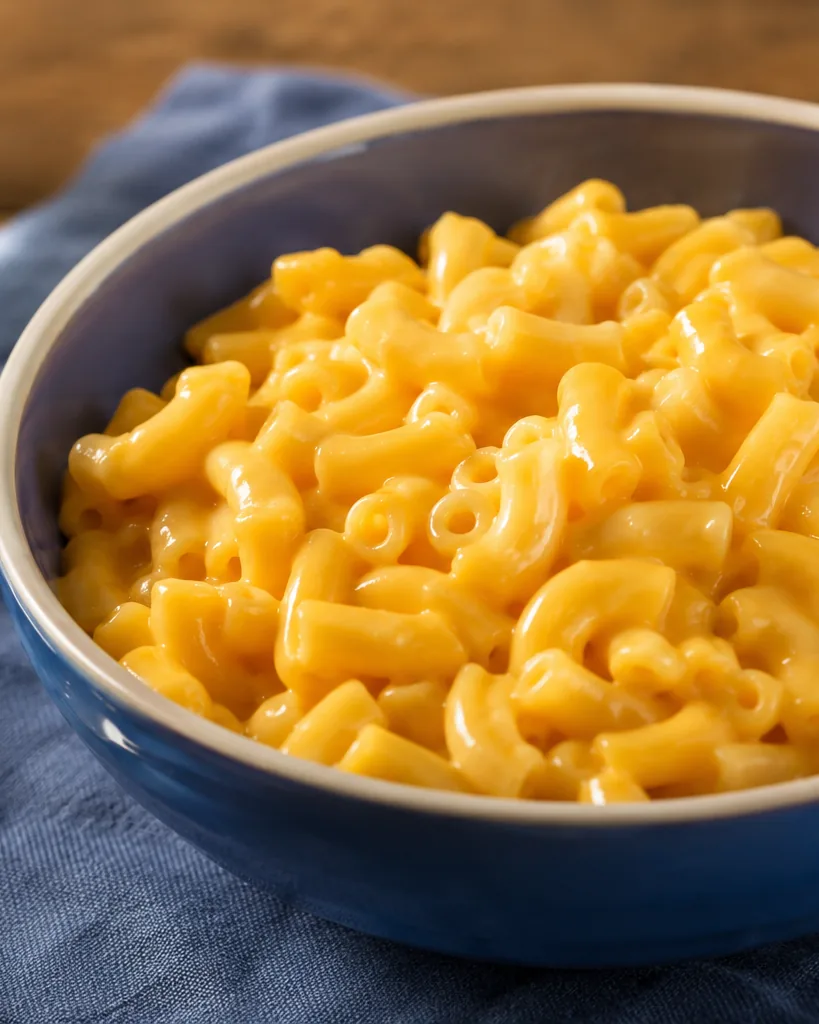
The jump from 250 to about 400 calories is not from the pasta or the cheese powder. It comes almost entirely from what you add: the box directions call for milk and a generous amount of butter or margarine, typically about a quarter cup. That added fat is calorie-dense, and it roughly doubles the fat content and adds about 150 calories per serving.
This is good news if you want to lighten the dish, because the part you control, the butter, is exactly where most of the extra calories live. Use less of it, or swap to a smaller amount of olive oil, and the prepared total drops well below 400 without touching the flavor much.
The Sodium Is the Number to Watch
Beyond calories, sodium is the figure worth your attention on this label. A single serving has 560 milligrams as packaged and around 720 milligrams once prepared. The FDA Nutrition Facts label bases its percent Daily Value on a limit of 2,300 milligrams of sodium per day, so one prepared serving delivers roughly 24 to 31 percent of the daily maximum.
That adds up fast, especially since the box’s serving is small, about one cup, and many people eat more than that in a sitting. If you are watching your sodium for blood pressure or heart health, mac and cheese is a food to portion carefully or to balance with low-sodium choices across the rest of your day.
The Macronutrient Picture
Kraft mac and cheese is, at its core, a carbohydrate food. The 47 grams of carbohydrate per serving come mostly from refined pasta, which is why the dish is filling and quick energy but not especially nutrient-dense. The protein, at 9 to 10 grams, comes from the pasta and the cheese powder and is modest for a main dish.
There is also a small amount of sugar on the label, around 7 grams, some of it added, which surprises people who think of mac and cheese as a savory food. As a meal, the box leans heavily on carbs and fat with limited protein, which is useful to know if you are trying to build a balanced plate.
Is Kraft Mac and Cheese Gluten-Free or Keto?
Neither. The pasta is made from wheat, so standard Kraft mac and cheese contains gluten and is not suitable for anyone with celiac disease, though gluten-free versions made with other grains do exist. It is also far from keto or low-carb, with 47 grams of carbohydrate in a single small serving, which would use up most or all of a strict low-carb daily budget. Anyone following those diets will need a specialty product or a homemade alternative rather than the classic blue box.
How to Make It a Little Healthier
You do not have to give up mac and cheese to eat it more sensibly. A few easy changes make a real difference:
- Use less butter: Cutting the added butter or margarine is the single biggest calorie saver, since that is where the prepared calories come from.
- Choose lower-fat milk: Skim or 2% milk in place of whole trims fat and calories.
- Add protein: Stir in cooked chicken, tuna, or beans so the meal is more balanced and filling.
- Add vegetables: Peas, broccoli, or spinach add fiber and nutrients with few calories.
- Mind the portion: The label serving is about one cup, so measure rather than eating straight from the pot.
These tweaks keep the comfort-food appeal while improving the nutrition and stretching the box further.
Per Serving Versus Per Box
One common mistake is reading the label as if the box is a single serving. A standard 7.25-ounce box of Kraft Original is about three servings as packaged, so the whole box prepared can total well over a thousand calories once butter and milk are added. If you split a box between two people, each portion is larger than the label serving, which means more calories, fat, and sodium than the single-serving numbers suggest. Always multiply the label figures by how many servings you actually eat to get your true intake.
A Note on the Different Varieties
Kraft makes the dish in many forms, and the numbers shift with each one. The Original powdered cheese version is the baseline covered here, while Deluxe, made with a cheese-sauce pouch instead of powder, has a different fat and sodium profile. Spirals, White Cheddar, Thick and Creamy, and Veggie versions also vary.
The label-reading approach stays the same across all of them: check the serving size, read both the as-packaged and as-prepared columns where they appear, and pay attention to the sodium and the added fat in the preparation. When a label is unclear, the USDA FoodData Central database lists reference values for packaged foods of every kind. For other cheesy pantry staples, our breakdowns of Cheez-Its nutrition and American cheese slice nutrition use the same label-reading approach.
Calories by How You Prepare It
Because the added fat drives the prepared calories, the way you make the box has a big effect on the final numbers. These approximate per-serving figures show how much your choices matter.
| Preparation | Approximate calories |
|---|---|
| Dry mix only (as packaged) | 250 |
| Box directions (butter and whole milk) | About 400 |
| Light (less butter, skim milk) | About 320 |
| No added butter (milk only) | About 290 |
Skipping or cutting the butter and using a lower-fat milk can save 80 to 110 calories per serving compared with the full box directions, with little change to taste. If you prepare the whole box this way, the savings multiply across every serving, which is an easy win for a regular pantry staple.
How to Read a Dual-Column Nutrition Label
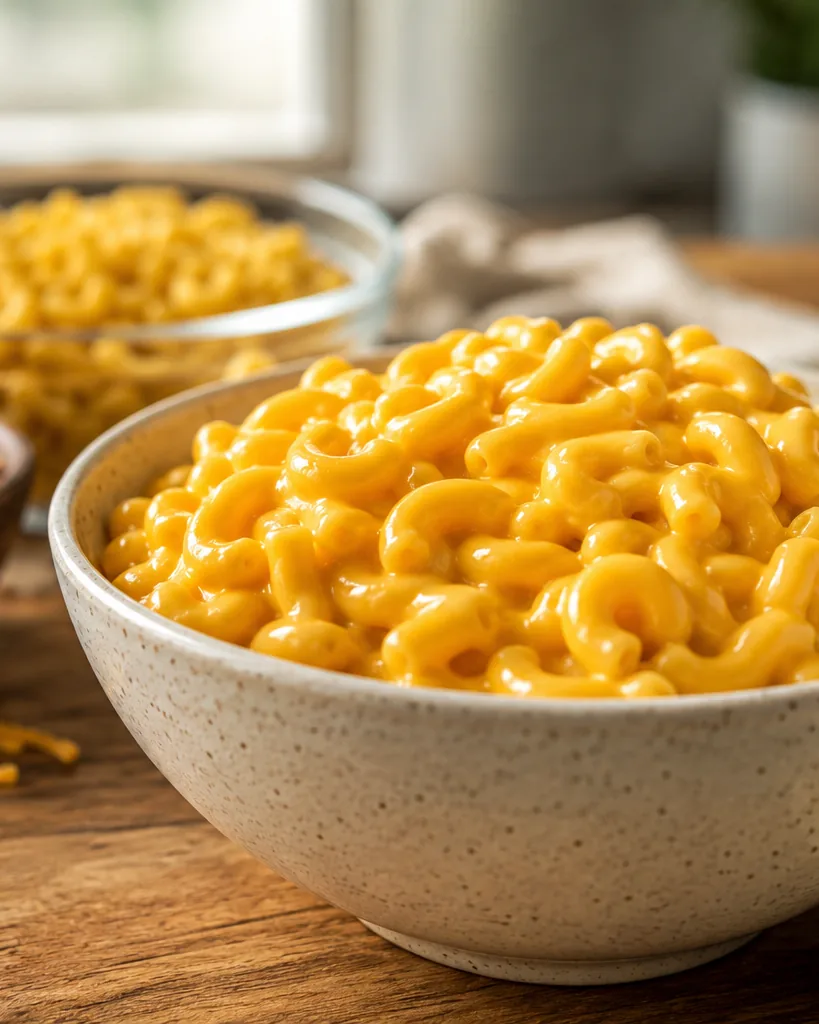
Boxed mixes like this one are a good lesson in label reading, because they show two columns instead of one. The left column, as packaged, tells you what is in the dry mix straight from the box. The right column, as prepared, adds the ingredients the directions call for, here milk and butter.
The trick is to read the column that matches reality. If you follow the directions, use the prepared column. If you make it your own way, the true numbers fall somewhere between the two, depending on what you add. Always start with the serving size at the top, since every other number on the label refers to that amount, and a box that looks like one meal is usually closer to three servings.
Boxed Versus Homemade Mac and Cheese
It is worth knowing how the box compares to a homemade version. Classic homemade mac and cheese, made with real cheese, butter, and a flour-and-milk sauce, is often higher in calories and saturated fat than the boxed product prepared lightly, because real cheese and a butter roux are rich. The boxed version’s cheese powder keeps its as-packaged fat low.
Where homemade can win is control and ingredient quality: you choose the cheese, the amount of butter, the type of milk, and whether to add vegetables or extra protein. Neither is automatically healthier; the boxed product is convenient and predictable, while homemade trades effort for control. Reading the label on the box simply lets you make a fair comparison rather than assuming one is better.
Mac and Cheese in a Balanced Diet
Boxed mac and cheese fits a balanced diet best as a side or a base rather than the whole meal. On its own, a serving is heavy on refined carbohydrate and sodium with limited protein and almost no fiber or vegetables. Building a better plate around it is straightforward: pair a measured portion with a lean protein and a vegetable, and you turn a carb-heavy snack into a more complete meal.
For children, who love the dish, the same logic applies, and watching the portion matters because the small label serving is easy to exceed. Used thoughtfully, there is nothing wrong with mac and cheese as part of a varied diet; the label simply helps you see what it does and does not bring to the table so you can round it out.
Frequently Asked Questions
How many calories are in Kraft mac and cheese?
A serving of Kraft Original Macaroni and Cheese has 250 calories as packaged (the dry mix) and about 400 calories once prepared with milk and butter per the box directions. The difference comes almost entirely from the added butter, so using less of it lowers the prepared calorie count significantly.
Why does the box show two different calorie counts?
The label lists nutrition both as packaged and as prepared. The as-packaged column reflects just the dry mix, while the as-prepared column adds the milk and butter the directions call for. Because that added fat is calorie-dense, the prepared figure is much higher, which is why it is important to read the column that matches how you actually make it.
How much sodium is in Kraft mac and cheese?
One serving has about 560 milligrams of sodium as packaged and around 720 milligrams once prepared. Against the 2,300-milligram daily limit used on the Nutrition Facts label, that is roughly 24 to 31 percent of the maximum in a single small serving, so it is a food to portion carefully if you watch your sodium.
Is Kraft mac and cheese gluten-free?
No. The standard product is made with wheat pasta and contains gluten, so it is not safe for people with celiac disease or gluten sensitivity. Kraft and other brands do make gluten-free macaroni and cheese using alternative grains, which are clearly labeled, so check the package if you need to avoid gluten.
How much protein is in a serving?
A serving of Kraft mac and cheese has about 9 to 10 grams of protein, from the pasta and the cheese powder. That is modest for a main dish, which is why adding a protein like chicken, tuna, or beans makes it a more balanced and filling meal.
Is Kraft mac and cheese bad for you?
It is not inherently bad, but it is best in moderation. A serving is high in refined carbohydrate and sodium with limited protein and little fiber, so on its own it is more of a comfort side than a balanced meal. Eaten in a sensible portion, prepared with less butter, and paired with a protein and vegetables, it fits fine into a varied diet.
How many servings are in a box?
A standard 7.25-ounce box of Kraft Original contains about three servings as packaged. People often treat the box as one or two portions, which multiplies the calories, fat, and sodium accordingly. To know your true intake, multiply the single-serving label numbers by the share of the box you actually eat.
Can I make Kraft mac and cheese lower in calories?
Yes, easily. Most of the prepared calories come from the butter the directions call for, so using less butter or a small amount of olive oil and choosing skim or 2% milk can cut roughly 80 to 110 calories per serving. Adding vegetables and a lean protein also improves the meal’s balance without adding many calories, turning a rich side into a more complete dish.
What Is Actually in the Box
The blue box contains two simple components: dried macaroni pasta made from wheat, and a packet of powdered cheese sauce mix. That cheese powder is where much of the sodium and the characteristic flavor come from, along with milk-derived ingredients and color. Understanding this split explains the label: the pasta supplies most of the carbohydrate and a good share of the protein, while the cheese powder concentrates the sodium and flavor into a small amount.
Everything else on the prepared label, the extra fat and calories, comes from the butter and milk you add in your own kitchen, which is why your preparation choices have such a large effect on the final numbers.
Keeping the Sodium in Check
Since sodium is the standout concern on this label, a few habits help you enjoy the dish without overdoing salt. Skip adding any extra salt during cooking, because the cheese powder already provides plenty. Balance a serving with naturally low-sodium foods across the rest of your day, such as fresh fruit, vegetables, and unsalted proteins. Watching the portion is the most effective step of all, since eating two label servings doubles the sodium to well over a third of the daily limit. For anyone managing blood pressure, treating boxed mac and cheese as an occasional side rather than a daily staple keeps it from quietly pushing your sodium too high.
The Bottom Line
The Kraft mac and cheese nutrition label tells a clear story once you know to read both columns: 250 calories as packaged and about 400 prepared, with 47 grams of carbohydrate, 9 to 10 grams of protein, and a notable 560 to 720 milligrams of sodium per small serving. Most of the prepared calories come from the butter you add, so cutting it and using lower-fat milk lightens the dish easily.
The pasta makes it carb-heavy and not gluten-free or keto, and the cheese powder makes it salty, so portion control and a side of protein and vegetables turn a comfort-food classic into part of a balanced meal. Read the serving size, match the right column to how you cook it, and the numbers are easy to manage. With a measured portion, a lighter hand on the butter, and a protein or vegetable alongside, the blue box can still earn its place in the pantry as an occasional, satisfying comfort food rather than a nutritional worry. A little label literacy is all it takes to enjoy it on your own terms.