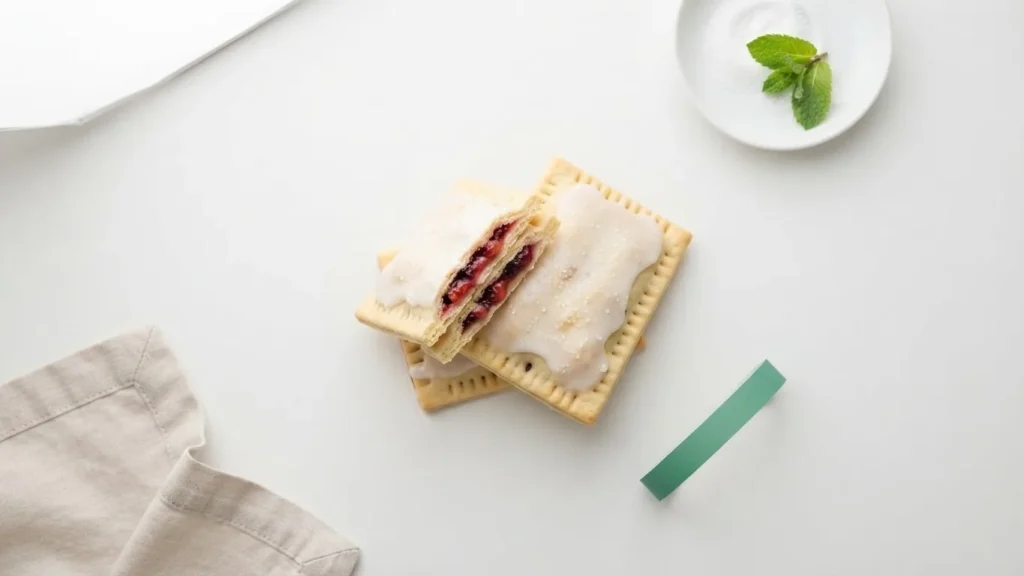
The number that trips up almost everyone comes before you even reach the calories: a serving of Pop-Tarts is 2 pastries, not one. That’s how the printed panel counts, and it’s why the pop tarts nutrition facts you screenshot from a phone app rarely match the box in your hand. Frosted Strawberry, the flagship flavor, lists 370 calories per serving of 2 pastries (96 g) on the manufacturer’s own label. Popular tracking databases quietly cut that in half by logging a single pastry, so the same food can read as 370 or 190 depending on which screen you trust.
Get the serving basis wrong and every other line follows it off a cliff. Here is the panel that actually matches the pouch, plus the two or three places where the outside sources disagree and how to settle them.
What 2 Pastries Actually Cost You: The Frosted Strawberry Panel
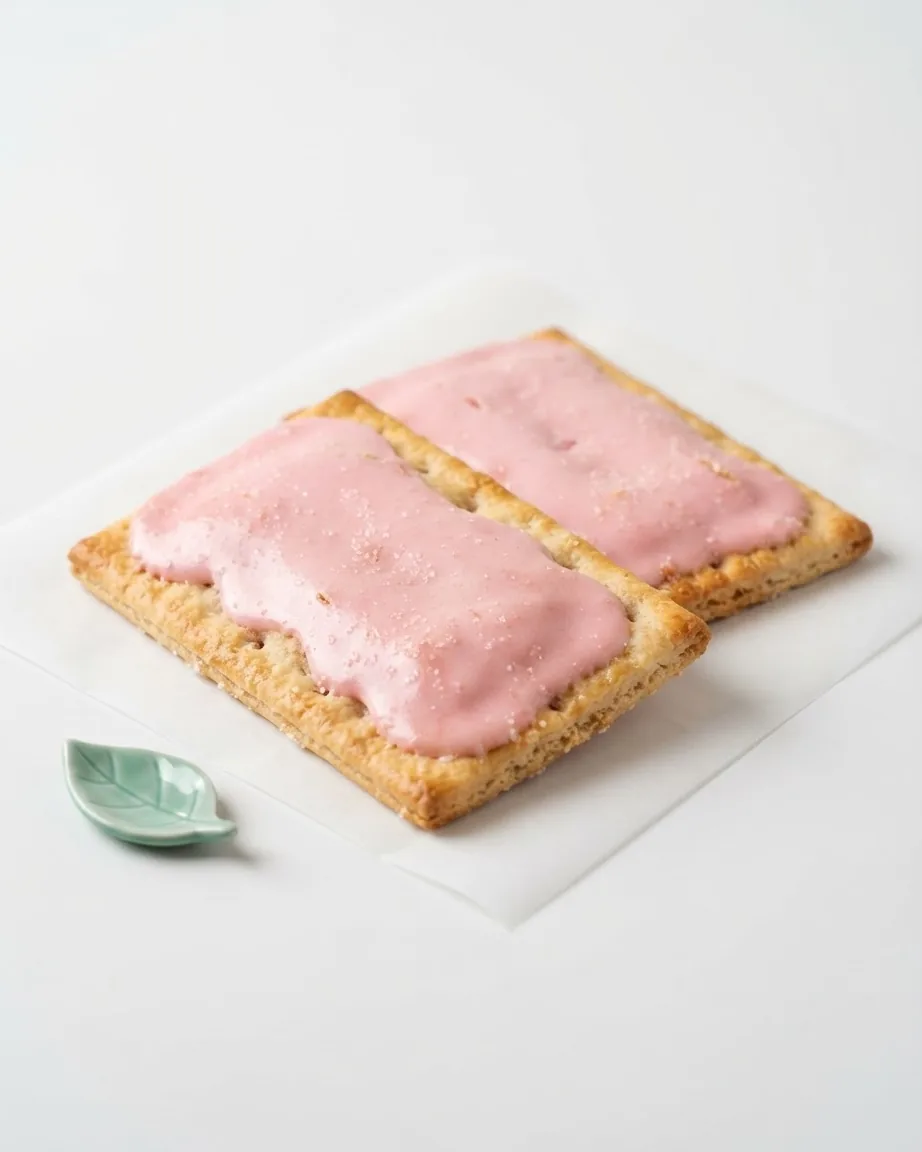
Read straight off Kellanova’s SmartLabel entry, one 96 g serving of Frosted Strawberry Pop-Tarts (2 pastries) carries 370 calories, 8 g total fat, 2.5 g saturated fat, 310 mg sodium, 71 g total carbohydrate (26% DV), 1 g fiber, and 4 g protein. Cholesterol sits at 0mg. The micronutrient line is thin but not empty: 1.4 mg iron (8% DV), 40 mg potassium, and a run of B vitamins from the enriched flour, including folate at 40 mcg (10% DV), riboflavin and niacin at 10% each, and thiamin at 4%.
The sugar line is where a snack pastry stops pretending to be breakfast. That single serving delivers 31 g total sugars, of which 30 g are added – 60% of a full day’s added-sugar allowance in two toaster pastries. According to Kellanova’s SmartLabel panel, the added-sugar figure is reported distinctly from total, which matters because most retailer listings collapse the two into one number.
If you eat one pastry and leave the other in the foil, none of these figures apply as printed. The label won’t do that arithmetic for you, and the pouch design nudges against it: pastries come two to a sealed pouch, so opening one usually means committing to both.
| Frosted Strawberry | Per 2 pastries (96 g) | Per 1 pastry |
|---|---|---|
| Calories | 370 | ~185 |
| Total fat | 8 g | ~4 g |
| Saturated fat | 2.5 g | ~1.3 g |
| Sodium | 310 mg | ~155 mg |
| Total carbohydrate | 71 g | ~36 g |
| Fiber | 1 g | ~0.5 g |
| Total sugars | 31 g | ~16 g |
| Added sugars | 30 g (60% DV) | ~15 g |
| Protein | 4 g | ~2 g |
Why Your Calorie App Says 190 and the Box Says 370
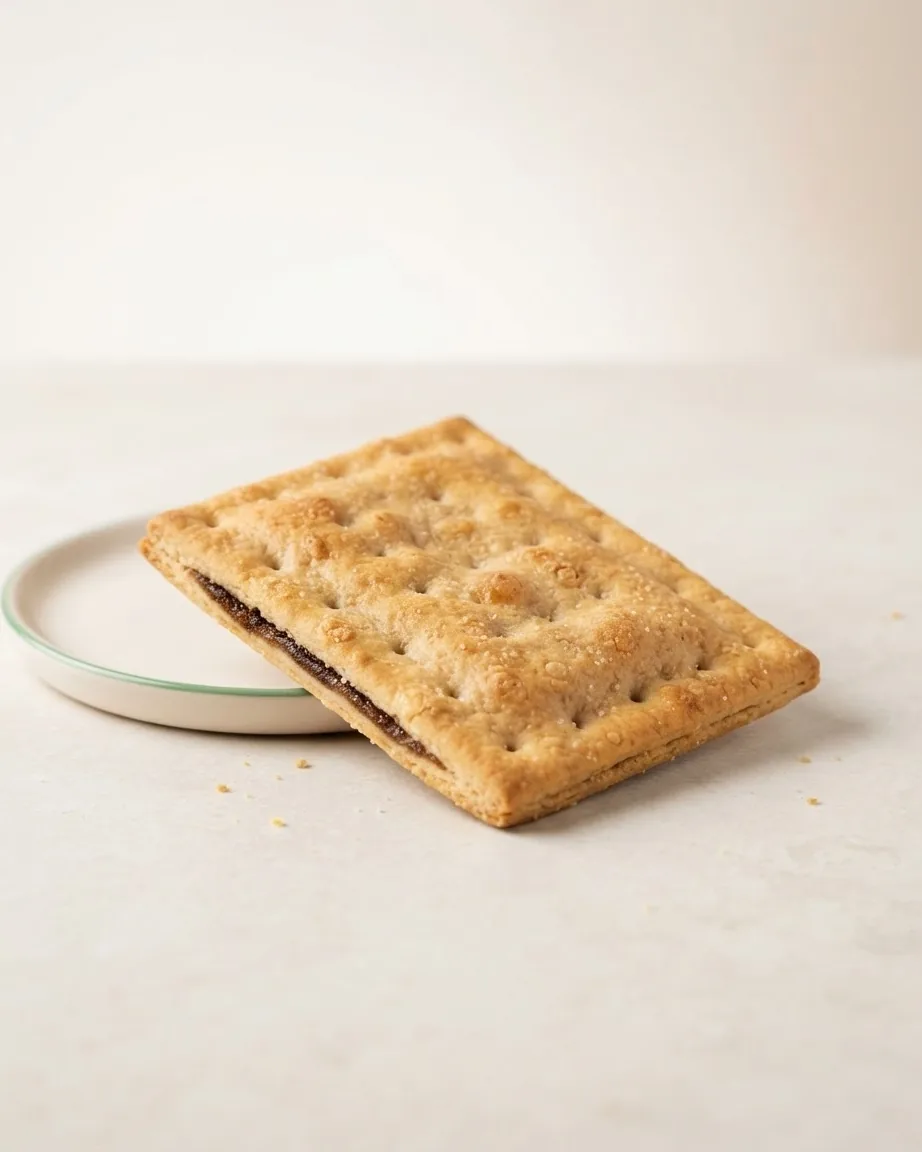
This is the single trap worth memorizing. The official panel counts 2 pastries; several widely-used food databases count 1. CalorieKing lists one 5-oz-range single piece (1.7 oz) of Frosted Strawberry at 190 calories, 4.5 g fat, 1.5 g saturated fat, 160 mg sodium, 35 g carbs, 15 g sugar, and 2 g protein, based on a reference profile of a 35 year old, 144 lb adult. Eat This Much logs one frosted blueberry pastry (52 g) at 203 calories, 5 g fat, 166 mg sodium, 37 g carbs, 16 g sugar, and 2 g protein. Neither is wrong. They’re just answering a different question than the box is.
Two consequences fall out of this. First, if you log “1 serving” from a database while eating the full pouch, you undercount by nearly double. Second, the per-pastry sources don’t even agree with each other. Business Insider reports a single frosted strawberry pastry at 200 calories; CalorieKing puts a single 1.7 oz piece at 190. That 10-calorie gap comes from rounding and slightly different reference weights, not a recipe secret – small enough to ignore, large enough to notice when you’re stacking numbers across a whole box.
The clean fix: decide up front whether you’re tracking one pastry or two, then pull every number from the same basis. Mixing a 2-pastry sodium figure with a 1-pastry calorie figure is how people end up baffled by their own log. Coke Zero has the opposite problem – a 12 fl oz can reads as zeros across the board, which we walk through in our breakdown of the Coke Zero panel.
The Unfrosted Calorie Paradox: 210 vs. 200
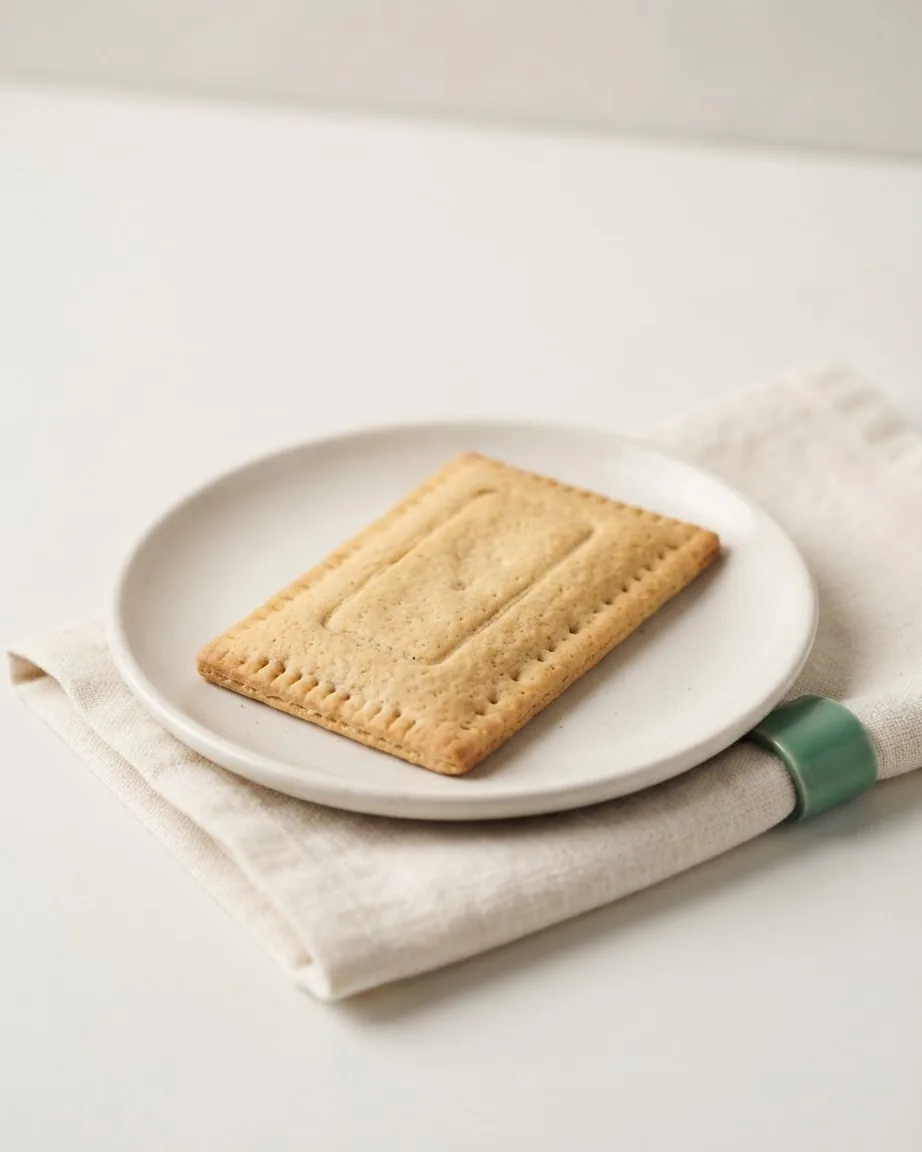
Here’s a result that reads backwards. You’d assume skipping the frosting saves calories. It doesn’t. Business Insider reports that a single Kellogg’s Frosted Strawberry Pop-Tart has 200 calories, while a single Unfrosted Strawberry Pop-Tart has 210 – ten more, without the icing.
Kellogg’s explanation, given to Business Insider, is that unfrosted Pop-Tarts use a slightly thicker crust to compensate for the missing frosting, and that extra pastry outweighs the calories the frosting would have added. So “unfrosted” buys you less sugar per bite, but not fewer calories. Retailer data backs the pattern at the serving level: Martin’s Foods lists Unfrosted Strawberry at 380 calories per 2 pastries with 3.5 g saturated fat (18% DV), 360 mg sodium (16% DV), and 25 g total sugars – six less than frosted’s 31 g total, but a higher calorie count than the frosted flagship’s 370.
If your goal is cutting added sugar, unfrosted earns its place. If your goal is cutting calories, it’s the wrong lever entirely.
Sugar by Weight, and Which Flavor the 31% Actually Describes
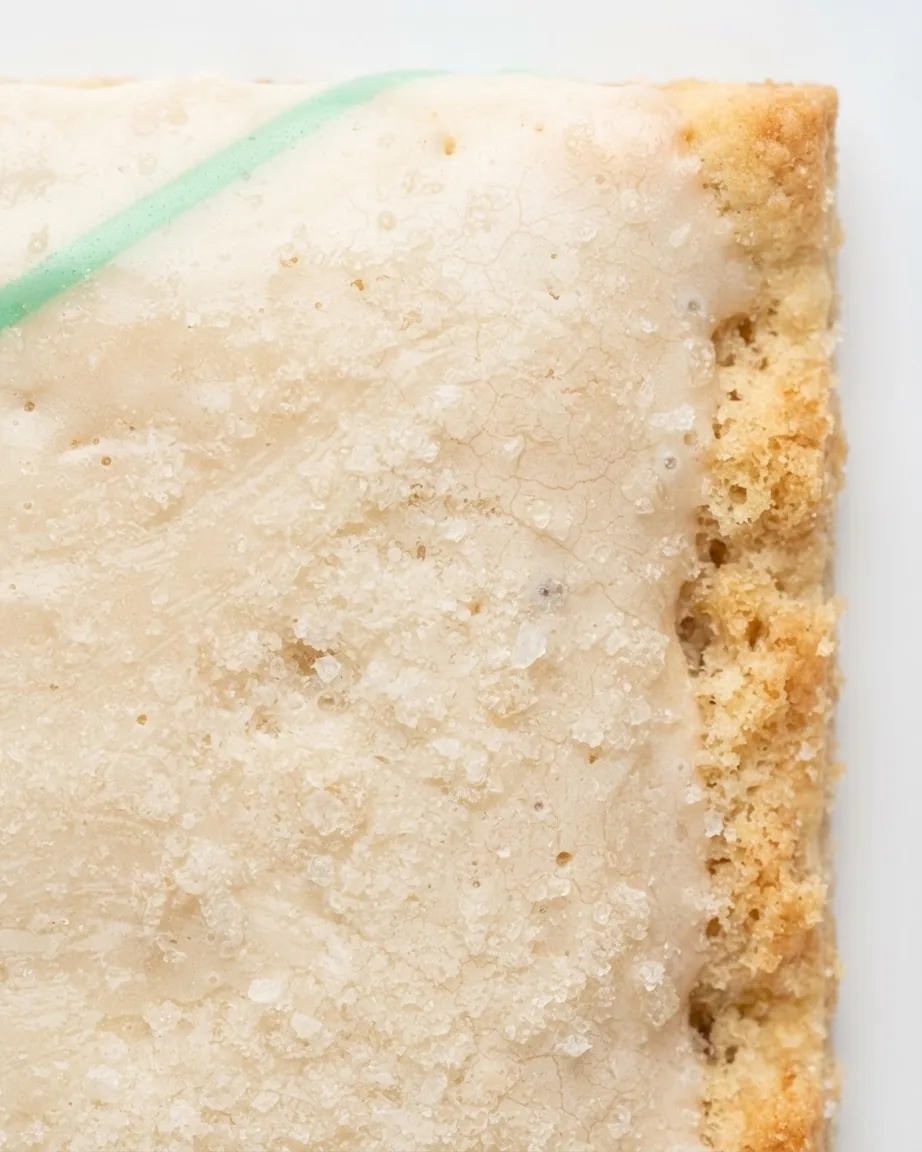
Percent-by-weight is where a snack’s sugar load stops being abstract. The Environmental Working Group calculates that Pop-Tarts Frosted (Cherry) is 31% sugar by weight and contains 4 teaspoons of added and natural sugar per serving. Read that slowly: nearly a third of the pastry, by mass, is sugar.
One caution the numbers demand: EWG’s 31%-by-weight figure and its additive analysis apply strictly to the Frosted Cherry flavor, not to Frosted Strawberry or Brown Sugar Cinnamon. It’s tempting to slap “31% sugar” on every flavor in the aisle, but that’s not what the source says. Cherry is the one EWG scored. Strawberry’s own SmartLabel panel gives you its 30 g added sugars directly, so you don’t need to borrow Cherry’s ratio to reason about it.
Retailer pages muddy this further. Martin’s Foods and Giant Food list only total sugars, not the added-vs-total split. So a shopper comparing the Giant listing to the SmartLabel panel is comparing two different measurements. When a page shows one sugar number, assume it’s total, and know that the added portion is almost all of it here – for Frosted Strawberry, 30 of the 31 grams. For a cereal-aisle version of this same added-sugar puzzle, see how the lines break down on the Lucky Charms label.
What’s Actually in the Crust: Dyes, TBHQ, and the Ultra-Processed Label
The ingredient statement front-loads sweeteners in a way the marketing never does. For Frosted Strawberry, the first listed ingredients run enriched flour, then corn syrup, high fructose corn syrup, dextrose, and sugar – four distinct sugar sources before you reach the soybean and palm oil. Ingredients are listed by weight, so that stacking tells you where the calories live.
The Environmental Working Group classifies Pop-Tarts Frosted as an unhealthy ultra-processed food and flags 5 of its top additives of concern in the product: palm oil with the preservative TBHQ, Red 40, Red 40 Lake, Yellow 6, and Blue 1. TBHQ is an antioxidant preservative used to keep the fats from going rancid; the color additives are what give the filling and frosting their look. Per EWG’s Food Scores entry for the Cherry flavor, those five additives are why it lands where it does on their scale.
Allergen warning
Two more label facts worth knowing before you shop. Giant Food’s listing notes that Frosted Strawberry contains a bioengineered food ingredient and is a good source of 3 B vitamins – the “good source” claim coming entirely from the enriched flour, not from anything wholesome added later. And the allergen line is short but firm: the product contains wheat and soy ingredients. If either is off the table for your household, this snack is out regardless of the sugar math. A meaty snack with its own additive story is the Slim Jim label, worth a look if you track sodium and preservatives.
Do “Protein” Pop-Tarts Fix Anything? The Boostin’ Line vs. Classic
Kellanova’s answer to the high-protein snack trend is the Boostin’ line, and the numbers make the trade explicit. Boostin’ Brown Sugar Cinnamon (Protein) Pop-Tarts carry 400 calories and 10g protein (11% DV) per 2 pastries (102 g). That’s a real protein bump – from the 5 g in classic Frosted Brown Sugar Cinnamon up to 10 g. The protein comes from added milk protein concentrate and wheat protein, which also introduce 20 mg cholesterol per serving where the classic version reads 0 mg.
But look at what didn’t move. The Boostin’ version still lists 31 g total sugars, of which 30 g are added. The protein bump does nothing to the sugar line: you gain 5 g of protein, and the added-sugar load stays exactly where it was. For a sugar-conscious eater, that’s a thin upgrade dressed as a health move.
Set against a genuine protein snack, 10 g per two pastries is modest for 400 calories. The honest read: the Boostin’ line adds protein without subtracting the thing that made classic Pop-Tarts a dessert. If protein is your actual goal, the sugar column is the reason to keep shopping.
The Realistic Portion, and Where These Numbers Come From
Calorie density puts the whole conversation in scale. Eat This Much pegs Pop-Tarts at 391 calories per 100g – relatively high, which is why a 96 g serving lands near 370. That density is fixed; what you control is how much of it you eat.
The realistic portion problem is the 2-pastry pouch. Because the two are sealed together and go stale fast once opened, most people finish the pair – which means the “per serving” figures aren’t a conservative estimate, they’re the likely intake. Plan around 370 calories and 30 g added sugar per sitting for Frosted Strawberry, not the tidier half.
On sourcing: the added-vs-total sugar split, the full macro line, and the allergen statement come from Kellanova’s SmartLabel and the Pop-Tarts brand site. The per-pastry figures come from CalorieKing and Eat This Much, which is why they run on a 1-pastry basis. The sugar-by-weight and additive analysis come from the Environmental Working Group, and apply to Frosted Cherry specifically. Retailer listings from Giant Food and Martin’s Foods fill in claims like the bioengineered-ingredient note and the unfrosted serving figures. None of these figures is immune to a quiet recipe change; brands reformulate without announcement, so the panel on your box is the final word. For the wider aisle, browse our snacks sweets guides.
The Six-Serving Math: What Stacking the Panel Adds Up To
Run the SmartLabel numbers across six servings and the pouch-sized figures turn into a very different picture. This is the arithmetic the label quietly leaves to the reader.
- Added sugars: 30 g × 6 = 180 g – and since each serving is stamped 60% DV, six servings work out to 360% of a day’s added-sugar allowance.
- Total carbohydrate: 71 g × 6 = 426 g.
- Protein: 4 g × 6 = 24 g, the one line where the running total still stays modest.
The lesson isn’t that anyone eats six servings at once – it’s that the reassuring single-line panel is one-sixth of that running total. At roughly two servings a sitting, the added sugar alone crosses 180 g inside a week.
Pop Tarts Nutrition Facts FAQ
How many calories are in one Pop-Tart, not two?
The box counts 2 pastries as a serving, but single-pastry sources exist. CalorieKing lists one 1.7 oz Frosted Strawberry piece at 190 calories; Business Insider cites 200 for a single frosted strawberry pastry. The 10-calorie gap is rounding. Halve the 370-calorie serving and you land in the same range.
Are unfrosted Pop-Tarts lower in calories?
No. A single Unfrosted Strawberry Pop-Tart is 210 calories versus 200 for the frosted version. Kellogg’s told Business Insider the unfrosted pastry uses a thicker crust to make up for missing frosting, which adds calories. Unfrosted does cut sugar, listed at around 25 g total versus frosted’s 31 g.
How much sugar is in a serving of Pop-Tarts?
Frosted Strawberry has 31 g total sugars per 2-pastry serving, with 30 g added – 60% of the daily value. Frosted Brown Sugar Cinnamon lists 30 g total, all added. The Environmental Working Group calculates the Frosted Cherry flavor at 31% sugar by weight, roughly 4 teaspoons per serving.
Do Protein Pop-Tarts have less sugar than regular ones?
No. Boostin’ Brown Sugar Cinnamon delivers 10 g protein and 400 calories per 2 pastries, but still carries 31 g total sugars with 30 g added – the same added-sugar load as classic flavors. The protein comes from milk protein concentrate and wheat protein, adding 20 mg cholesterol without touching the sugar column.
What allergens and additives are in Pop-Tarts?
Allergen warningFrosted Strawberry contains wheat and soy ingredients and a bioengineered food ingredient, per Giant Food’s listing. The Environmental Working Group flags five additives of concern in the frosted product: palm oil with TBHQ, Red 40, Red 40 Lake, Yellow 6, and Blue 1. It classifies the food as ultra-processed.